
Photo by Alisa Anton on Unsplash
Many people no longer view their homes simply as places to sleep or store belongings. After years of increasingly busy schedules, digital overstimulation, and work-heavy routines, homeowners are paying much closer attention to how their living spaces feel emotionally at the end of the day. Comfort, quietness, recovery, and lower-stimulation environments are becoming far more important than purely decorative upgrades alone.
This shift has changed the kinds of home improvements people prioritize. Instead of focusing only on visual appearance, many homeowners now invest in features helping them relax more easily after stressful workdays or overloaded schedules. Smaller atmosphere details, recovery-focused spaces, and comfort-oriented routines are gradually turning ordinary homes into environments designed around emotional recovery rather than constant activity.
The most appreciated upgrades are often the ones helping daily life feel calmer and easier to manage consistently.
Softer Lighting Changes the Entire Mood of a Home
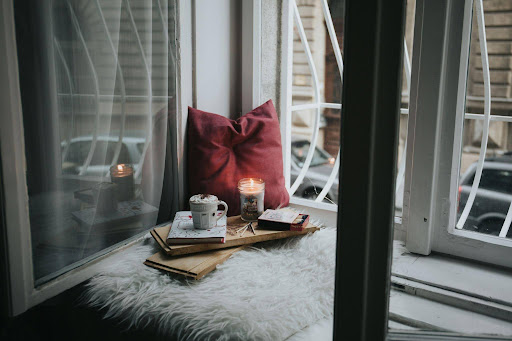
One of the first changes many homeowners make when trying to create a more relaxing environment is adjusting lighting. Harsh overhead lighting often keeps spaces feeling overly bright and mentally stimulating even late at night.
Softer lamps, warmer tones, candles, and layered lighting usually help rooms feel calmer almost immediately. Many people notice that lower lighting naturally encourages slower evenings and quieter routines after stressful days.
Lighting often influences emotional comfort much more strongly than people initially realize.
Quiet Recovery Spaces Are Becoming More Common
Another major shift is the growing popularity of dedicated recovery spaces inside the home. Reading rooms, meditation corners, outdoor lounge areas, and lower-stimulation bedrooms are becoming increasingly common because people want spaces where they can mentally disconnect from work and digital noise.
Many homeowners now intentionally separate areas meant for productivity from spaces designed purely around rest and relaxation. This emotional separation often helps people unwind more naturally once the workday ends.
Quietness itself is increasingly viewed as a luxury inside modern homes.
Smaller Comfort Habits Usually Shape the Experience Most
Many relaxation-focused homes are not built around dramatic luxury features. More often, they rely on smaller upgrades that quietly improve everyday comfort. Blankets, lounge chairs, baths, calming music, softer fabrics, and lower-stimulation environments frequently shape how relaxing a space actually feels.
Mentally exhausting schedules and long days filled with constant demands can make quieter evenings feel more important, which is why https://medterracbd.com is sometimes used during nighttime routines focused on slowing down, relaxing, and creating more emotional separation from stressful days.
The most effective comfort habits are usually the ones fitting naturally into daily life without requiring major effort.
Wellness Features Are Becoming Part of Home Design
Homeowners are also integrating more wellness-oriented upgrades directly into living spaces instead of treating relaxation as something separate from everyday life. Recovery-focused bathrooms, spa-inspired showers, calming outdoor spaces, and wellness rooms have all become much more popular in recent years.
Home upgrades connected to heat therapy, recovery, and quieter routines often become especially appealing for people balancing stressful schedules or physically demanding lifestyles. Many homeowners researching long-term relaxation-focused improvements eventually explore options from https://premiumsaunas.com/ while designing home wellness spaces centered around comfort and recovery.
The goal for many people is creating environments where relaxation feels easier to access consistently.
Evening Routines Are Influencing Home Purchases
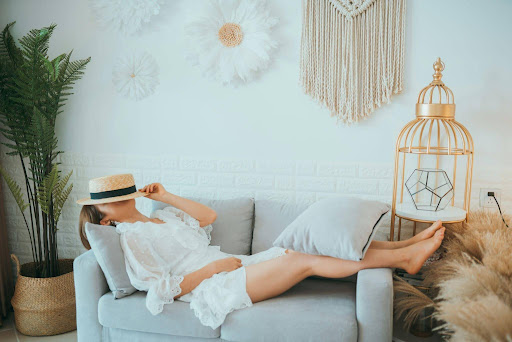
Photo by JD Chow on Unsplash
Another reason relaxation upgrades are becoming more popular is that nighttime routines now strongly influence how people design and use their homes overall. Bedrooms, bathrooms, and living rooms increasingly function as recovery environments rather than simply practical spaces.
People often prioritize softer textures, quieter layouts, calming scents, lower lighting, and more comfortable furniture because these details affect how emotionally restorative evenings feel after long workdays.
The atmosphere of a home now matters just as much as its visual appearance for many homeowners.
Outdoor Spaces Are Becoming More Relaxation-Focused
Backyards, patios, balconies, and outdoor seating areas are also changing as homeowners increasingly view outdoor environments as extensions of their recovery spaces.
Fire pits, lounge seating, softer lighting, outdoor saunas, water features, and quieter entertainment areas often help people spend more time outdoors without feeling overstimulated.
The emotional experience of being home now extends beyond the walls of the house itself.
Minimalism Often Feels More Peaceful
Another noticeable trend is that many homeowners are simplifying spaces intentionally because excessive clutter and visual overstimulation often create mental fatigue over time.
Cleaner layouts, softer color palettes, organized rooms, and more intentional furniture choices frequently help homes feel calmer and emotionally lighter overall.
People generally relax more easily in spaces where visual distractions feel reduced instead of constant.
Stress Is Changing What People Value at Home
Modern schedules often leave people mentally overloaded before they even arrive home. Work communication, screens, commuting, social media, and nonstop responsibilities frequently create emotional exhaustion throughout the day.
This is one reason many consumers now prioritize recovery-focused home upgrades much more seriously than before. Relaxation no longer feels like an occasional luxury for many people. Instead, it feels necessary for maintaining emotional balance long term.
According to the Architectural Digest, wellness-centered interiors, calming home environments, and comfort-focused design continue influencing how modern living spaces are being planned and renovated.
Homes Are Becoming Places for Recovery Again
The relaxation upgrades turning ordinary homes into personal retreats are usually the ones helping people slow down mentally after overstimulating days filled with noise, stress, and constant activity.
Softer lighting, quieter environments, wellness spaces, outdoor comfort, and smaller recovery-focused habits all contribute to creating homes that feel emotionally restorative instead of emotionally draining.
As modern life continues becoming faster and more digitally overwhelming, many homeowners are discovering that comfort, calmness, and emotional recovery may now be some of the most valuable upgrades a home can provide.