
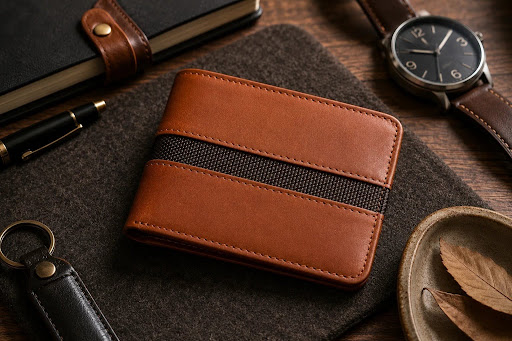
A leather wallet is one of the few everyday accessories that becomes more valuable with time. Unlike fast fashion items that quickly wear out or lose their appeal, a well-made leather wallet develops character with every year of use.
It carries your cards, cash, identification, and daily essentials while quietly becoming part of your everyday routine.
Unfortunately, not every leather wallet is built to last. Many wallets that look impressive in a store begin to lose their shape, develop loose stitching, or crack after only a few months.
Understanding what makes a great leather wallet isn’t just about buying a premium product. It’s about making an informed investment that saves money over time and gives you something you’ll genuinely enjoy carrying every day.
Whether you’re shopping for your first leather wallet or replacing an old favorite, knowing what to look for can make all the difference.
The Leather Matters More Than the Brand
The biggest factor that determines how long a wallet will last is the leather itself. Two wallets may appear almost identical at first glance, but the type of leather used can dramatically affect durability, flexibility, appearance, and how the wallet ages over time.
Full Grain Leather
Ask any experienced leather craftsman what material they prefer, and you’ll often hear the same answer: full grain leather.
Full grain leather is made from the strongest part of the hide and keeps its natural grain intact.
Because the surface isn’t sanded or corrected, every wallet has its own unique texture and markings. More importantly, the leather retains its natural strength.
Instead of peeling or cracking, full grain leather develops a rich patina—a gradual change in color and texture that reflects years of use. Many leather enthusiasts consider this aging process one of the material’s greatest qualities because no two wallets age exactly the same way.
If your goal is to own a wallet that still looks beautiful five or ten years from now, full grain leather should be at the top of your list.
Top Grain Leather
Top grain leather is another excellent choice for everyday wallets. During production, the surface is lightly sanded to remove small imperfections, creating a smoother and more uniform appearance.
While it doesn’t develop quite the same character as full grain leather, it still offers excellent durability and a refined finish that many people appreciate.
Genuine Leather
The term “genuine leather” often creates confusion.
Although it is real leather, genuine leather is typically produced from lower layers of the hide after the highest quality layers have been removed.
It can still make a functional wallet, but it generally won’t offer the same strength, longevity, or beautiful aging characteristics found in premium full grain or top grain leather.
If you’re looking for a wallet that will accompany you for years instead of months, investing in higher quality leather is usually the smarter decision.
Vegetable Tanned Leather
The tanning process also plays an important role.
Vegetable tanned leather uses natural tannins extracted from tree bark and plants instead of synthetic chemicals. The result is leather that feels firm when new but gradually softens with use while developing a warm, distinctive patina.
For many leather enthusiasts, vegetable tanned leather represents traditional craftsmanship at its finest.
Great Leather Deserves Great Craftsmanship
Even the highest quality leather cannot compensate for poor construction.
A wallet experiences constant stress every day. It is folded hundreds of times, carried in pockets, exposed to changing temperatures, and handled repeatedly. Without careful craftsmanship, even premium materials will eventually fail.
When examining a leather wallet, pay close attention to details that many buyers overlook.
Stitching
Strong stitching is often the clearest sign of quality.
Look for evenly spaced stitches that run straight along the edges without loose threads or inconsistent spacing.
Many premium handmade wallets use saddle stitching, a traditional technique where two needles pass through every hole independently. Unlike standard machine stitching, saddle stitching continues to hold even if one stitch becomes damaged, making the wallet significantly more durable.
High-quality waxed thread also adds strength while resisting moisture and everyday wear.
Edge Finishing
The edges of a wallet reveal a surprising amount about its overall construction.
Well-made wallets feature carefully burnished edges that feel smooth to the touch rather than rough or unfinished. Burnishing seals the leather fibers, improving both appearance and durability.
Cheap wallets often skip this step, leaving exposed edges that begin separating over time.
Precision Matters
Small details separate exceptional craftsmanship from mass production.
Card slots should be evenly aligned.
The wallet should fold naturally without twisting.
The leather grain should remain consistent across every panel.
Stress points should be reinforced, especially around the cash compartment and frequently used card pockets.
These details may seem minor individually, but together they determine how well a wallet performs after years of everyday use.
Many independent leather workshops continue to preserve these traditional techniques instead of relying solely on automated manufacturing.
Moodcrafts is one example of a brand that focuses on handcrafted leather goods using premium materials, careful stitching, and timeless construction principles that prioritize durability over short-term trends.
Choose a Wallet That Fits Your Lifestyle
A great wallet isn’t simply the one made from the best leather—it’s the one that matches the way you live.
Someone who carries fifteen cards every day will have different needs than someone who mostly pays digitally. Likewise, frequent travelers often prioritize organization, while minimalists may prefer a slimmer profile.
Understanding the most common wallet styles makes it easier to choose one you’ll actually enjoy carrying every day.
Bifold Wallet
The bifold remains the classic choice for a reason.
It offers an excellent balance between storage capacity and comfort while fitting easily into most pockets.
A typical bifold includes:
- Multiple card slots
- A full-length cash compartment
- An ID window
- A slim folding profile
For many people, it remains the most practical everyday carry option because it provides enough storage without becoming unnecessarily bulky.
Trifold Wallet
A trifold wallet offers additional space for people who regularly carry extra cards, business cards, receipts, or cash.
While highly functional, the additional fold naturally creates a thicker wallet. If pocket comfort is important to you, it’s worth considering whether you truly need the extra storage.
Card Holder
Minimalist lifestyles have made card holders increasingly popular.
They are compact, lightweight, and ideal for people who mainly rely on contactless payments while carrying only a few essential cards.
A well-crafted leather card holder also develops the same attractive patina as larger wallets while taking up very little space in your pocket.
Front Pocket Wallets and Everyday Carry
Over the last decade, front pocket wallets have become increasingly popular, especially among people who prefer a minimalist everyday carry (EDC). Instead of carrying a bulky wallet filled with old receipts, unused loyalty cards, and unnecessary items, many people now choose a slimmer design that holds only what they use daily.
A well-designed front pocket wallet is comfortable to carry, reduces bulk, and encourages better organization. Most include enough room for a few payment cards, identification, and folded cash without adding unnecessary thickness.
If comfort is one of your priorities, a compact leather wallet is often a better choice than the largest wallet available.
Think About Functionality Before Style
A beautiful wallet isn’t always the right wallet.
Before choosing one, think about how you actually use it every day rather than how it looks in product photos.
Ask yourself a few practical questions:
- How many cards do I carry regularly?
- Do I still carry cash?
- Do I need quick access to my ID?
- Will I use this wallet while traveling?
- Do I prefer a minimalist design or maximum storage?
- Would RFID protection be useful?
Answering these questions helps narrow your choices and prevents buying a wallet that doesn’t fit your daily routine.
The best wallet is the one that supports your lifestyle without becoming uncomfortable or overloaded.
Should You Buy an RFID Blocking Wallet?
RFID blocking has become a popular feature in modern wallets, but not everyone actually needs it.
RFID technology is used in many contactless payment cards and identification cards. Some wallets include a protective lining designed to reduce the risk of unauthorized scanning.
For frequent travelers or people who regularly use contactless cards, RFID blocking can provide additional peace of mind. However, it shouldn’t be the primary reason for choosing a wallet.
Quality leather, durable construction, thoughtful design, and reliable craftsmanship will have a much greater impact on how long your wallet lasts than any additional feature.
If you find a wallet that combines excellent craftsmanship with RFID protection, that’s an added benefit rather than the deciding factor.
The Small Details Reveal True Quality
Experienced leather craftsmen often judge a wallet within seconds because they know where to look.
Instead of focusing only on appearance, examine the finer details.
The Leather Grain
Natural leather has subtle variations that give every piece its own character. Uniform surfaces that appear almost artificial can sometimes indicate heavily corrected leather rather than premium full-grain hides.
The Stitching
Stitches should be evenly spaced and perfectly straight.
Loose threads, uneven spacing, or skipped stitches are signs of rushed manufacturing.
Edge Finishing
Run your finger along the edge of the wallet.
A quality wallet should have smooth, carefully burnished edges rather than rough layers that may begin separating over time.
Card Slot Construction
Card slots should securely hold cards without feeling excessively tight.
If removing a card requires excessive force when the wallet is new, the leather may stretch unevenly after regular use.
Folding Comfort
Open and close the wallet several times.
A properly constructed wallet folds naturally without twisting or placing unnecessary stress on the stitching.
These seemingly small details often determine whether a wallet lasts one year or ten.
Common Mistakes People Make When Buying a Leather Wallet
Buying a leather wallet isn’t something most people do often, which makes it easy to overlook important details.
Avoid these common mistakes.
Choosing the Cheapest Option
Price alone rarely tells the full story.
An inexpensive wallet may appear to save money initially, but replacing it every year usually costs more than investing once in a well-crafted product.
Ignoring Leather Quality
Many shoppers never ask what type of leather is being used.
Knowing the difference between full grain, top grain, and genuine leather helps you make a much better long-term investment.
Buying Too Much Wallet
Large wallets filled with unnecessary compartments often become uncomfortable to carry.
Choose a design based on what you actually use every day instead of what you might need occasionally.
Focusing Only on Appearance
Beautiful color and attractive packaging don’t guarantee durability.
Always evaluate the construction, stitching, leather quality, and finishing before making a decision.
Forgetting That Leather Ages
Unlike synthetic materials, quality leather changes over time.
Minor marks, color variation, and the gradual development of patina are natural characteristics that make genuine leather unique rather than flaws.
A Simple Checklist Before You Buy
Before purchasing any leather wallet, take a few moments to evaluate it using this checklist.
✔ Full grain or top grain leather
✔ Vegetable tanned leather when available
✔ Strong saddle stitching
✔ Durable waxed thread
✔ Smooth burnished edges
✔ Clean edge finishing
✔ Well-designed card slots
✔ Functional cash compartment
✔ Comfortable everyday carry
✔ High-quality craftsmanship
If a wallet meets most of these standards, you’re far more likely to enjoy using it for many years.
Where to Find a Well-Crafted Leather Wallet
Once you understand what separates an average wallet from one that’s built to last, comparing different brands becomes much easier.
Instead of focusing only on logos or marketing claims, look for brands that emphasize premium leather, skilled craftsmanship, traditional stitching techniques, thoughtful organization, and timeless design.
If you want to see what these qualities look like in a finished product, browse this collection of handcrafted men’s leather wallet designs made from premium leather and built for everyday durability.
Choosing a wallet built around these principles gives you a much better chance of owning something that will age beautifully and remain dependable for years.
Don’t Forget Regular Maintenance
Even the finest leather wallet benefits from occasional care.
Leather is a natural material, and like any natural material, it performs best when properly maintained.
Simple habits can dramatically extend the life of your wallet:
- Avoid overstuffing it.
- Keep it away from excessive moisture.
- Allow wet leather to dry naturally.
- Clean dust and dirt with a soft cloth.
- Apply a quality leather conditioner occasionally.
- Store it in a cool, dry place when not in use.
If you’re interested in learning more about preserving the appearance and longevity of leather products, this guide to leather care provides helpful maintenance tips for keeping leather in excellent condition.
Final Thoughts
A leather wallet is one of the few accessories you’ll handle every single day. Choosing the right one isn’t about finding the most expensive option or the biggest brand name—it’s about understanding quality.
The best wallets are built from premium leather, stitched with precision, finished by skilled craftsmen, and designed to become even more attractive as they age. They develop a unique patina, soften naturally with use, and often remain reliable for many years.
By paying attention to leather quality, construction methods, wallet style, and long-term functionality, you’ll make a purchase that delivers value long after the day you buy it.
A well-crafted leather wallet isn’t just an accessory. It’s an investment in everyday quality, timeless craftsmanship, and lasting durability.