
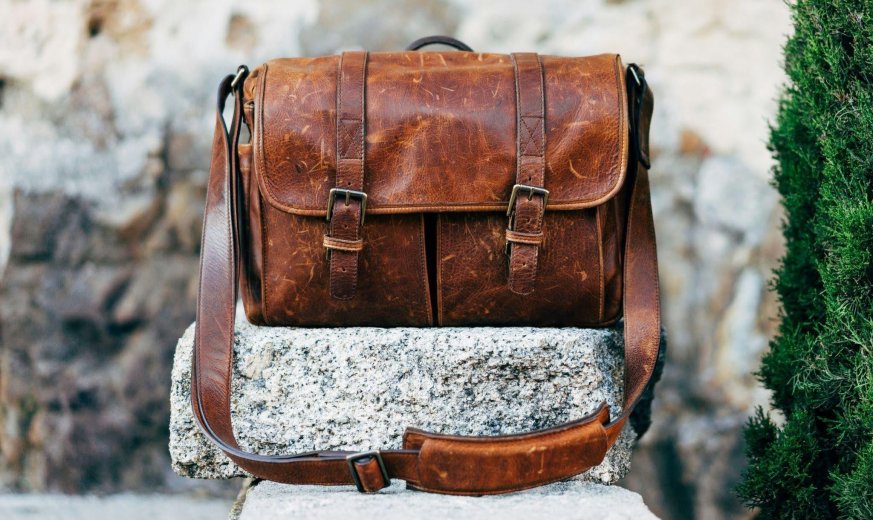
Photo by Álvaro Serrano on Unsplash
Handmade products often cost more than mass-produced alternatives, and it’s easy to wonder whether the higher price is truly justified. At first glance, two scarves, bags, blankets, or home accessories may appear similar, yet one carries a significantly higher price tag.
The difference usually isn’t based on appearance alone. Handmade goods represent hours of skilled work, carefully selected materials, specialized techniques, and attention to details that machines often cannot replicate. While factory production focuses on speed and consistency, handcrafted work prioritizes quality, durability, and individuality.
Understanding what contributes to the value of handmade products makes it much easier to appreciate why some pieces continue serving their owners for decades.
Craftsmanship Is Measured in the Details
Quality craftsmanship rarely announces itself immediately.
Instead, it becomes visible through carefully finished seams, precise stitching, balanced construction, clean edges, and thoughtful design decisions that improve both appearance and durability. These are the elements that often require the greatest amount of time but receive the least attention from casual buyers.
When evaluating handcrafted textiles or custom accessories, it also helps to consider how the product was made rather than focusing solely on the finished appearance. Looking through examples from https://www.diehardscarves.com/ offers insight into how customized textile products rely on careful production techniques, consistent finishing, and attention to detail to create pieces designed for repeated use rather than short-term trends.
The value of handmade work often becomes more obvious after months or years of ownership rather than during the first few minutes of inspection.
Every Material Influences the Final Result
Even the most experienced artisan depends on quality raw materials.
Leather, natural fibers, wood, metals, and textiles each have characteristics that directly affect the finished product. Better materials generally wear more gracefully, maintain their appearance longer, and provide a noticeably different feel in everyday use.
This is especially true for woven products, where the choice of fiber influences strength, softness, texture, color retention, and durability. Someone interested in understanding how different fibers contribute to handcrafted textiles may explore weaving yarn to see the variety of materials available for weaving projects and how each option shapes the finished fabric in unique ways.
The quality of a handmade piece often begins long before the first stitch or weave is completed.
Time Is One of the Most Valuable Ingredients
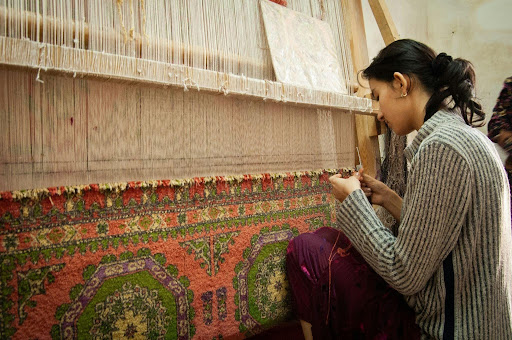
Photo by Joel Heard on Unsplash
Mass production is designed to reduce the amount of time required to manufacture each product.
Handmade work follows the opposite philosophy. Each stage, preparing materials, measuring, cutting, assembling, finishing, inspecting, and refining, requires patience that cannot easily be automated.
That investment of time contributes directly to the finished result. Rather than rushing through production, skilled artisans adjust techniques throughout the process to maintain quality standards that machines often struggle to replicate consistently.
The hours invested become part of the value customers ultimately receive.
Handmade Doesn’t Mean Perfectly Identical
One common misconception is that every handmade item should look exactly like every other one.
In reality, subtle differences often demonstrate that skilled hands, not automated equipment, created the finished piece. Small variations in texture, weave, or finish frequently add character while preserving the product’s structural integrity.
The important distinction lies between natural variation and poor workmanship.
A quality handmade product maintains consistent craftsmanship while allowing each individual piece to retain its own unique identity.
Those subtle differences often become part of what makes handcrafted products special.
Durability Is the Best Long-Term Value
Price becomes much easier to understand when viewed over years instead of weeks.
A well-made handmade product frequently lasts considerably longer than a lower-cost alternative, reducing the need for repeated replacements. Strong construction, quality materials, and thoughtful design often produce items that continue performing well even after years of regular use.
Many handcrafted products also develop character with age. Leather softens, woven fibers settle naturally, and certain materials acquire a unique appearance that reflects years of use rather than deterioration.
Longevity often proves to be one of the strongest arguments for investing in craftsmanship.
Handmade Products Tell a Story
Every handmade item represents more than its finished appearance.
Behind each piece are material selections, learned techniques, careful decisions, and countless small adjustments made throughout the production process. Those details rarely appear on a product label, yet they contribute significantly to both quality and value.
Choosing handmade items isn’t simply about purchasing an object. It’s about appreciating the skill, experience, and patience required to create something built with care instead of speed.
Whether crafted from leather, woven fibers, wood, or metal, truly well-made handmade products reward attention to detail. Their value isn’t defined solely by the materials they contain but by the craftsmanship that transforms those materials into something designed to be used, appreciated, and enjoyed for many years.