
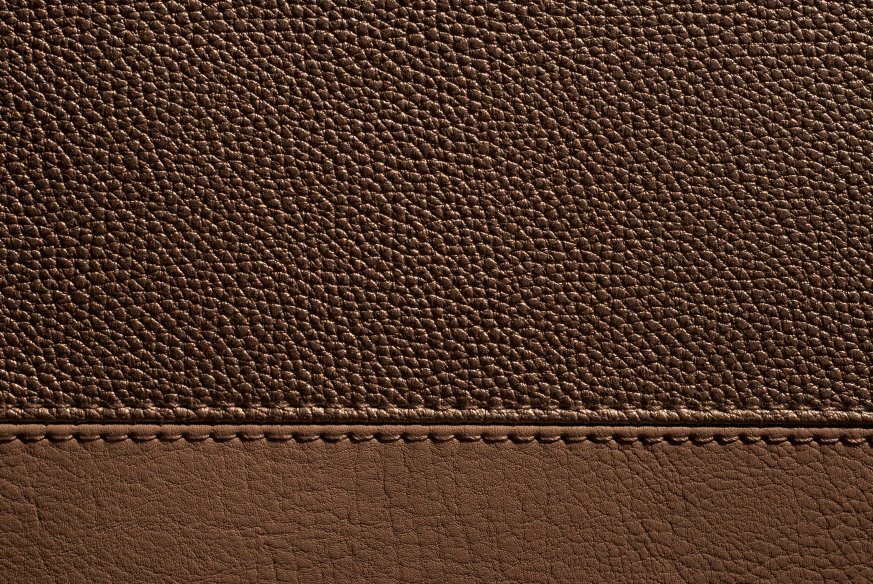
Photo by Olga Kovalski: https://www.pexels.com/photo/close-up-of-brown-textured-leather-with-seam-30989203/
From Hide to Saddle: How Premium Leather is Crafted for Horse Riding
There are few sports that are as dependent on high-quality kit more so than horse riding and horse racing.
Having the best available equipment will ensure that a rider will have greater control in the saddle, which is clearly a positive when trying to steer and control a power animal such as a horse. Top-quality kit is common at the highest level in equine sports, with jockeys involved in the Triple Crown unlikely to have issues with saddles and hides.
The racing series is the most popular in the United States, with many looking at how to bet on the Preakness once the Kentucky Derby has concluded on the first Saturday in May. But, how is premium leather crafted for horse riding purposes?
Sourcing Materials
One of the most important steps of the manufacturing process revolves around correctly sourcing the materials that are capable of doing the best job possible.
This relies on finding high-quality high-gain leather, which typically revolves around utilizing cowhide. The material also needs to be thick, typically 4.3 mm.
Tanning
After sourcing the material, crafters will need to begin the process of making saddles.
This will include the traditional method of vegetable tanning. This age-old technique is still preferred to this day due to its ability to create strong and durable leather, while also ensuring that it is as natural as possible. The aesthetically pleasing finish also ensures that it remains as popular with the consumer as ever before.
Hand Crafting
Following the vegetable tanning, crafters will then begin the most challenging part of the process, which revolves around the crafting. This unique approach will see crafters hand-cut each piece of leather, putting attention-to-detail to make sure that the end product is perfect.
This remains crucial for horse riding equipment, as it ensures that the crafter is able to carve out consistent shapes for the bridles, reins, and saddles. Crafters will also typically do the stitching by hand, overlooking the option to use a machine.
Saddle stitching is most common in horse riding, as this enables a more durable final product, while also ensuring that it is able to be long lasting. Importantly, it also makes sure that equipment can be repaired, avoiding the cost of having to repay for another product once one becomes unusable.
Edging & Burnishing
Next, Crafters will look to ensure that the product is as mobile as possible by polishing the edges of the leather meticulously to create a smooth and rounded finish.
This is important for a horse rider, as it will ensure that saddles are more comfortable to sit on, and it also avoids the risk of jaded edges poking into legs, which could create an unwelcome experience when riding a horse. Therefore, it will also improve the safety of both horse and rider, and the person on top will feel comfortable enough to know that they are in control.
Conditioning
Towards the end of the making process, crafters will treat the leather with unique oils and balms to ensure that the final product is best protected for future use.
Balms and oils will help to safeguard the equipment, ensuring that it remains soft and protecting the kit from cracking. Importantly, just like the hand-stitching process, this is most important for increasing the lifespan of the product, ensuring that consumers don’t need to buy multiple items over the course of a couple of years.
Making it Your Own
Before the product is ready for the consumer, there are a couple of final steps that can be made to customise the kit.
Customisation is incredibly important to a rider, not only due to using the equipment on a regular basis, but also ensuring that it isn’t misplaced and picked up by another rider. Embossing can be used to carve and stamp details into the kit, with the process requiring a thick and tanned leather that can hold the impressions.
Therefore, for those looking to customise their equipment, it is typically one of the first things that will be asked by crafters, as it is something that can’t be added at a later stage.
Why is Craftsmanship so Important?
Having high-quality and well-crafted kit in horse riding is incredibly important. First, and foremost, it ensures that the rider has comfort while in the saddle, with the kit reducing the chances of pinching and rubbing on the saddle. Most importantly, it is essential in protecting the horse and rider.
The durable materials used will be resistant to breaking and tearing under pressure which is crucial for a rider.
Meanwhile, high-quality materials being crafted will also enhance performance levels, as riders will have the confidence in the flexible nature of their product to allow their horse to move without any restrictions.