
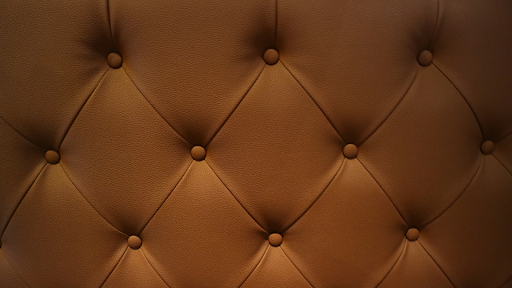
There’s a particular kind of disappointment that comes with leather furniture ordered online. The sofa arrives, looks fine in the room, and then six months later you notice it’s starting to peel along the armrest. Or it just never felt the way you expected — too plasticky, too uniform, nothing like the rich depth you thought you were buying.
Most of the time, the product wasn’t misrepresented exactly. The photo was accurate. You just didn’t know how to read it.
Leather is a material where finish type and grain treatment make an enormous difference to long-term appearance and feel — and those differences are genuinely visible in product photography if you know what you’re looking at. Getting it wrong tends to be expensive and annoying to fix.
Why Two Leather Sofas at Similar Prices Can Look and Age Completely Differently
The leather furniture market runs on terminology that sounds more consistent than it is. “Genuine leather” appears on price tags ranging from bargain to mid-range and refers to a processing category, not a quality level. “Top grain” covers everything from lightly dressed full-grain hides to heavily corrected surfaces with embossed patterns and polymer coatings. A manufacturer can use the same term for products that will look and behave almost nothing alike after two years of use.
Full-grain leather keeps the outermost hide surface intact — natural grain, organic variation, the marks the animal accumulated in life. It develops patina. The character builds rather than deteriorates. It also requires more care and shows everyday marks more readily than finished leathers do.
Top-grain has been lightly sanded to remove surface irregularities, then finished. More uniform than full-grain, still genuinely leather. Corrected-grain goes further: heavier sanding, embossed pattern applied over the top to create a consistent visual texture. Protected and pigmented finishes add polymer coatings that change how the surface reflects light, resists staining, and ultimately feels under your hand.
Bonded leather is a different category altogether. Leather fiber scraps are combined with polyurethane and laid over a backing — it photographs reasonably well and feels like leather briefly. It tends to peel within a few years of regular contact. Bicast is similar: a split leather base with a thick polyurethane surface layer.
None of this is immediately visible from the product name. Which is why learning to read the image itself matters.
What to Look For in Product Close-Ups
When brands create digital previews of leather upholstery, accurate 3d textures help show grain, sheen, and surface character more convincingly — because these are exactly the same details that matter in real photography.
Here’s what you should be trying to assess from any close-up:
Grain pattern and variation. Full-grain leather looks irregular. The pore pattern shifts. There are subtle tonal variations across a single panel. Corrected grain leather, by contrast, looks embossed — the pattern repeats too evenly. If the grain in a product photo looks machine-stamped rather than organic, you’re probably looking at a corrected or split leather.
Sheen. Natural aniline leather has almost no sheen — it absorbs light softly. Semi-aniline has a faint one. Pigmented leather reflects more light, sometimes quite uniformly. Bicast and bonded leather tend to have a plastic-like gloss, especially on the seating surfaces. If a product photo looks like the surface is reflecting overhead lighting with a smooth, even sheen, that’s worth investigating further.
Wrinkles and pull marks. Good leather wrinkles naturally where it’s flexed or folded — around seat edges, armrests, cushion corners. These wrinkles are irregular and soft. If a product image shows no wrinkles at all on the seating surface or armrest area, it either hasn’t been photographed under realistic conditions or the surface coating is stiff enough to prevent natural movement.
Natural markings. Healed scratches, small grain variations, subtle color shifts across a hide — these aren’t defects in quality leather. They’re evidence of the real thing. Their absence, especially in mid-to-high price categories, can indicate heavy correction or a non-leather surface.
How Finish Type Changes What You’re Seeing
Understanding the finish helps you interpret what a product image is actually showing.
Aniline and semi-aniline
Aniline leather photographs with depth. The color looks like it’s inside the material rather than on top of it. There’s variation in tone. Under direct light, the surface may show a slight sheen but it doesn’t look coated. Semi-aniline looks similar but slightly more uniform — the protective layer evens things out without killing the character.
Both these leathers will show scratches, body oils, and general use marks more visibly over time. That’s not necessarily a problem — for many buyers it’s exactly what they want. But if a product listing shows beautifully worn aniline leather on a sofa and you have cats or young children, you should go in with clear expectations.
Protected and pigmented finishes
A heavier protective coating creates more visual uniformity. The color is even. The surface is smooth. For furniture that gets hard daily use, this is genuinely practical — pigmented leather handles spills, pet contact, and general abuse better than anything more natural. It just doesn’t look or feel as alive.
The coating can also make lower-grade leather look more premium in a photograph than it is. A flat, consistent color with no tonal variation and no visible grain movement is often a sign that what you’re looking at has been heavily corrected and finished. That’s not automatically bad, but knowing it matters when you’re choosing between price points.
For more realistic furniture previews, 3d model texturing services can help translate leather finish, color depth, and material variation into digital product visuals — which means better product images online, and less guesswork for buyers trying to assess what a finish actually looks like before ordering.
Corrected grain, bonded, and bicast
Corrected grain is a legitimate leather product with an embossed surface — it can be durable and acceptable for the right application, but it’s not going to develop character or patina. Bonded leather is partly leather fiber and partly synthetic, and it tends to peel within a few years of regular use. Bicast has a split leather base with a thick polyurethane surface.
In photographs, both bonded and bicast leather can look quite convincing in the first few years. The giveaway is usually in how they age — early peeling, cracking along crease lines, that plastic-like sheen that doesn’t soften with use. Look carefully at any lifestyle or wear photos in product listings and read the returns section of customer reviews.
Match the Leather Finish to How You Actually Live
This is where a lot of buyers go wrong — not because they chose poor quality, but because they chose the wrong type for their situation.
Families and pets
If a household has young children or pets, aniline and semi-aniline leather require more attention than most families can realistically give. Pigmented or protected top-grain leather is more forgiving — it resists staining better, shows scratches less readily, and cleans up more easily. A mid-grade pigmented leather from a reputable tannery will outlast even a high-grade aniline in a busy household.
Pull-up leather — which shows lighter marks when the surface is pressed or scratched, then mostly recovers — can be a good middle ground for families who want some character without the fragility of pure aniline. The marks become part of the look rather than damage.
Formal spaces
If the piece is in a low-use room or a formal setting where it won’t be exposed to regular wear, aniline and semi-aniline are genuinely worth considering. The depth of color and the way the surface ages over time is something you don’t get from a coated leather. Full-grain aniline on a reading chair that’s used occasionally is a very different proposition from the same leather on a daily-use family sofa.
High-traffic seating
For sectionals, large sofas, office chairs, or any piece that sees heavy use every day, the armrests and seat cushions are where finish decisions really show. These are the contact points where oils from skin transfer, where people push themselves up, where pets tend to sit. Protected leather on these surfaces is practical. Some manufacturers actually use different leather grades on different parts of the same piece for exactly this reason.
Translating Texture Into a Better Buying Decision
Once you can read leather imagery more accurately, the product page tells you considerably more. A close-up that shows genuine grain variation and natural markings under real lighting is a meaningful signal. The presence of wrinkles at contact points in lifestyle photography suggests the leather is behaving naturally. A product description that mentions aniline or semi-aniline finish but shows a surface with no tonal variation is worth questioning.
Ask retailers directly if you’re unsure: what grade is the hide, what is the finish type, is any part of the piece made from bonded or bicast leather rather than the same material as the seat cushions? A good retailer will answer those questions without hesitation.
And if a listing is light on close-up detail, or if the texture in product photos looks too even to be real, treat that as a reason to dig further — not a reason to move on without checking.