
Value has never been the question of price in the realm of luxury bags. Instead, it is an overall vision created with the help of materials, craftsmanship, design, and brand philosophy. In this system, leather is not merely a raw material that is utilized in making the bag but it is a matter of life and death that defines the position of the products, brand reputation and market identification. The value of a bag to a large extent is characterized by leather.
High-End Bags Begin with Premium Leather
The initial perception of a high-end bag by a consumer can be determined by touch and sight. Leather is the closest and most compelling medium of value. These leathers are usually of rare and well-managed areas throughout the globe: e.g. French calfskin, with a fine and soft grain and evenly spread pores, or vegetable tanned leather of Italy, smoothed with natural vegetable tannins that form an amber hue of the leather over time.
These leathers have slight variations on top of their unique textures, feeling and natural luster. It is this personalized nature that makes each bag appear to have a non-replicability. The material evolution of leather as compared to the uniformity of synthetic materials is more likely to conform to the ideas of sophistication, luxury, and quality. To the high-end customers, leather does not just constitute a material option, it is a way of life and a statement of individual principle.
Leather Determines a Bag’s Lifespan and Long-Term Value
Leather has natural benefits in the aspects of durability and longevity. The leather is of good quality, which incorporates the quality of durability with strength, and when well taken care of, over time, it has a peculiar patina that adds aesthetic depth to the bag. A leather bag can still bring out new layers of beauty even many years after being used. The process of aging contributes to the concept of long-term companionship and enables the bag to be used as a source of individual narratives.
Commercially, the extended lifecycle of the product will result in an increase in value, reduced replacement rates, and an attachment to consumers. A bag that can be worn over many years or even make a signature of personal items usually becomes a very strong source of brand loyalty. This is why most custom bag manufacturers focus more on the practicality and the timeless nature of their products rather than the temporary nature of their trends when designing them.
Leather as the Foundation of High-End Craftsmanship and Design
The flexibility and moldability of leather allow the designers and craftsmen to achieve complicated forms and elegant details in a very accurate manner. Outstanding tanning and manufacturing processes also increase the price of leather. Expensive leathers can be tanned over months; vegetable tanned leather can take several months to tan, including soaking, drying, and curing of the leather to remove impurities without losing the strength and breathability of the leather.
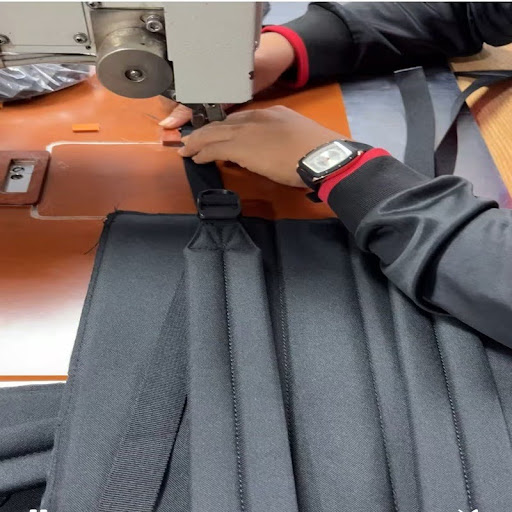
Consequently, leather behaves in the same way during the entire production process, be it in three dimensional fittings, smooth edgework, or the purity of stitch density. The high quality leather enables designers to go beyond the rigidity of formal constraints in cutting, stitching and shaping, and to create creative ideas into viable and lasting products.
An excellent case in point is the saddle stitching method by Hermes that not only increases the structural resistance but also eliminates deformations that develop with tension with the time. This philosophy of making bags based on material is one which completely unites the physical qualities of leather with the practical needs of a bag and makes each expensive bag actually an irreplaceable masterpiece of the art.
Leather as a Core Driver of Brand Premium
High-end bags also have high culture and brand value by leather. Cost is never the sole factor in market pricing, but it would be a measure of how much consumers perceive and believe in the overall value in a brand. Leather is one of the most critical and technically oriented components, as a result, it will aid the development of brand premium.
By gaining a sheer understanding of leather choice and use, brands create iconic textures and identities. Chambers of caviar leather such as Chanel, has become synonymous with its ability to withstand time and wear (durability and structure) and Louis Vuitton monogram canvas (despite being made of canvas) gets the same leather-like feel and strength with specific coating techniques.
In the case of Synberry, a company producing professional bags, the sourcing of leathers, tanning, standards of materials, and extreme attention to details are the basis of brand culture and technical credibility. In case such information is relayed to the market clearly and in a transparent manner, consumers would be more willing and ready to appreciate the logic behind premium pricing. Leather is therefore the key between the product functionality and brand culture enabling the bags to rise above the current use and be associated with identity and taste.
Leather’s Renewed Value in the Age of Rational Consumption
The luxury of leather in luxury bags is being renegotiated as the consumer is more rational in his/her behaviour. Premium leather bags because of their durability, repairability, and long life are more compatible with sustainable values like long life use and minimized waste compared to synthetic alternatives that are disposable and have short lifespans.
An increased number of luxury brands are now focusing on traceable sources of leather, environmentally conscious tanning methods and long-term maintenance services. The practices are not only a reaction to the increasing sustainability issues but also a demonstration of the changing role of leather in the future of luxury consumption.
Leather Elevates Brand Positioning
In a larger sense, leather determines not only the worth of particular products but also the height and the personality of a brand. A brand that has a confident and well-trained sense of the leather choice, craftsmanship, and the value it should have in the long term will have a greater chance of making a stable and sustainable presence in the high-end market, which is becoming a highly competitive one.
The style of design is copyable, and the methods of marketing can be copied, but even profound knowledge of leather and long-term investment in the quality of materials will be hardly covered in the nearest future. That is exactly why a lot of high-end brands succeed and can survive on the market cycles and become the branches with the long-term growth. Leather is the value of the high-end bags not in terms of high prices, but in terms of rightness, respect to materials, trust to time and devotion to emotion.
Although imitation leather is made in synthetic materials, it has long since passed imitation to become eternal in real leather. Every touch is a confirmation of ownership: it is not just a bag that you own, but a breathing narrative, real, living, and deserving to be re-told. Leather is much more than an ingredient to brands that are indeed serious about the high-end market. It is a manifestation of values, long-term strategic vision and professionalism.
Leather, with its unsubstitutable energy, still determines and enhances the worth of luxury bags, and returns the luxury industry to its most basic form of reality, which is that authenticity costs more than anything.