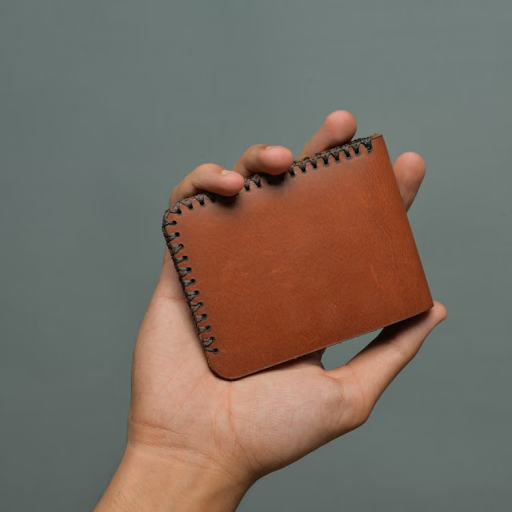
How Long Does a Leather Wallet Really Last?

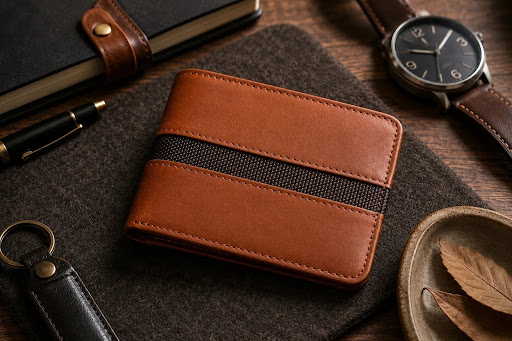
A real leather wallet is more than just an everyday accessory – it is an investment that can serve you for many years when properly made and cared for. While some leather wallets last only a few years, high-quality models can remain functional for a decade or longer. Their lifespan depends not only on the type of leather but also on craftsmanship, daily use, and regular maintenance.

How Long Does a Leather Wallet Typically Last?

The lifespan of a leather wallet varies depending on the quality of the leather, construction, and everyday habits.

Leather TypeRelative DurabilityCharacteristics
Full-grain leather10–20+ yearsRetains the natural grain and can develop a rich patina with age 
Top-grain leather5–10 yearsDurable leather with a smoother, more uniform finish 
Leather marketed as “genuine leather”Typically 2-4 years, depending on construction and leather qualityA term indicating that the product is made from real leather; it does not by itself indicate a specific quality grade. Its durability, appearance, and performance depend on the type of leather, construction, and finishing used 
Bonded leather1–3 yearsMade from leather fibres combined with binding materials; durability varies by product 

The biggest difference appears over time: full-grain leather can last for many years, while lower-grade materials usually need replacing much sooner.

Full-Grain vs Top-Grain Leather

Leather terminology can be confusing, but understanding the basics helps when choosing a wallet.

Full-grain leather retains the outermost grain layer of the hide and is generally considered a high-quality type of leather. It is exceptionally durable and develops a unique patina – a soft sheen and colour change that naturally appears with age and use. Patina is not damaged; it is often considered one of real leather’s most attractive features.

Top-grain leather is lightly sanded to remove natural imperfections before finishing. Although slightly less durable than full-grain leather, it still offers excellent longevity while providing a smoother, more uniform appearance.

Craftsmanship Matters

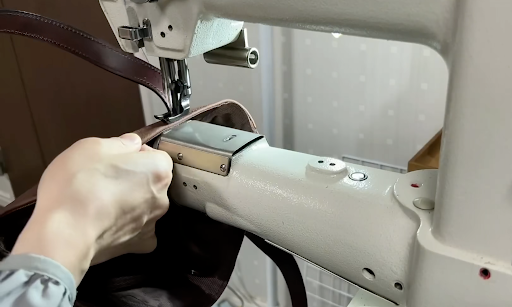
Leather quality alone does not determine how long a wallet lasts. Construction is equally important. Strong stitching with durable thread, reinforced stress points, high-quality lining materials, and carefully finished edges all contribute to a wallet’s lifespan. Poor stitching or low-quality adhesives can cause a wallet to fail long before the leather itself wears out.

Beyond the Physical Wallet

Today, a wallet often holds more than cash, including bank cards used for shopping, travel, subscriptions, and other purchases. As more everyday payments move online, people also rely on specialist websites to compare services and check information before making decisions. https://www.slotozilla.com/au/ is an informational website covering Australian online casinos, casino bonuses, slot games, and responsible gambling information. It provides reviews, comparisons, and guides related to online gambling. Just as checking leather quality matters when buying a wallet, checking the source of online information can help people make better-informed decisions.

What Damages a Leather Wallet the Fastest?

Even premium leather can deteriorate quickly if exposed to damaging daily habits.

Overstuffing

Many people carry far more than a wallet was designed to hold. Stuffing it with numerous cards, receipts, business cards, and coins stretches the leather beyond its intended shape. Over time, excessive bulk can:

  • Permanently stretch card slots.
  • Distort the wallet’s shape.
  • Increase stress on seams.
  • Cause faster edge wear.

Reducing unnecessary bulk helps the wallet keep its original shape and puts less strain on the leather and stitching over time.

Moisture and Heat

Leather contains natural fibres that react to moisture and temperature. Water can leave stains or cause stiffness if the wallet dries too quickly, while excessive heat may dry out the leather’s natural oils, leading to cracking. Avoid placing your wallet on radiators, dashboards exposed to direct sunlight, or near heaters. If your wallet becomes wet, gently blot away excess moisture with a soft cloth and allow it to air dry naturally at room temperature.

Everyday Friction

A wallet experiences constant friction every day. Sliding it in and out of pockets, rubbing against clothing, or placing it on rough surfaces gradually wears down the finish. Keeping a thick wallet in a back pocket is especially damaging. Sitting on it not only deforms the leather but also places continuous pressure on stitching and folds.

Poor Maintenance

Leather requires minimal but consistent care. Dust, dirt, body oils, and sweat slowly accumulate on the surface. Without occasional cleaning and conditioning, leather may become dry, dull, or brittle over time.

How to Make a Leather Wallet Last Longer

Source

Fortunately, extending a wallet’s lifespan is relatively simple. Follow these maintenance habits:

  • Clean the wallet according to the care instructions recommended for its specific type of leather and finish.
  • Apply a leather conditioner only when recommended for the specific type of leather and finish, and follow the product or manufacturer’s care instructions.
  • Avoid overfilling card slots.
  • Keep the wallet away from prolonged direct sunlight and high heat.
  • Let wet leather dry naturally without using hair dryers or heaters.
  • Store unused wallets in a breathable fabric dust bag rather than plastic.
  • Rotate between two wallets if you use one heavily every day.

These simple habits can help reduce everyday wear and preserve the wallet’s appearance and structure.

When Is It Time to Replace a Leather Wallet?

Not every sign of aging means a wallet should be replaced. A patina, slight darkening, softened leather, and small surface marks are natural characteristics of real leather and often enhance its appearance. However, replacement may be necessary when you notice:

  • Large cracks through the leather.
  • Torn stitching that cannot be repaired.
  • Severely stretched card slots that no longer hold cards securely.
  • Broken internal lining.
  • Structural damage that affects everyday use.

Many minor issues, such as loose stitching or edge wear, can often be repaired by a professional leather craftsperson, extending the wallet’s usable life.

A quality leather wallet is one of the longest-lasting everyday accessories when made from quality materials and treated with proper care. Full-grain leather wallets can easily remain functional for well over a decade, while even top-grain leather offers many years of reliable use. Avoiding overstuffing, protecting leather from moisture and heat, and following a simple maintenance routine will help preserve both its appearance and durability. Rather than replacing a wallet at the first signs of aging, understanding the difference between natural patina and genuine damage allows you to enjoy its character for many years.

Buffalo Slots: Mechanics, Bonus Features & Multiplier Wilds

Few casino games have achieved the legendary status and enduring popularity of Aristocrat’s iconic North American wildlife-themed slot series. Originally debuting on casino floors in Las Vegas before transitioning to digital platforms, the game’s signature “Buffalooo!” shout and stampeding reel animations remain instantly recognizable to casino enthusiasts worldwide.

The Core Mechanic: Xtra Reel Power & 1,024 Ways to Win

Understanding how Buffalo Slots operate requires looking at the innovative math engine that popularized multi-way mechanics across the gaming industry. By replacing traditional fixed paylines with dynamic reel-power systems, these games offer explosive volatility, generous free spin retriggers and compounding wild multipliers that can turn a basic spin into a massive payout.

Here is a practical breakdown of how Buffalo slot machines function, their core bonus mechanics and how to navigate their volatility profile.

When the original Buffalo slot launched, it revolutionized casino floor layouts by abandoning standard single-line paylines in favor of Aristocrat’s proprietary Xtra Reel Power system.

  • 1,024 Ways to Win: Played across a 5×4 reel grid, players do not need matching symbols to line up on designated paylines. Instead, wins are awarded whenever matching symbols land anywhere on adjacent reels, starting from the leftmost reel.
  • High-Paying Stampede Symbols: The Buffalo symbol is unique because it lands stacked on all reels. Landing multiple stacked Buffalo symbols across all five reels triggers the highest base game payout combinations.
  • Adjacent Reel Flexibility: Because wins occur on adjacent positions rather than rigid paylines, even basic high-card symbols (A, K, Q, J, 10, 9) hit frequently to sustain your session balance.

Bonus Rounds: Gold Coins and Compounding Sunset Wilds

The true payout potential of Buffalo slots lies in the free spins feature, triggered by landing Gold Coin scatter symbols.

Free Games Trigger

Landing three, four or five Gold Coin scatters anywhere on the grid awards 8, 15 or 20 free spins, respectively. Furthermore, landing just two scatters during the bonus round awards an additional 5 retriggered free spins, keeping the feature active for extended periods.

Compounding Multiplier Wilds

During the free spins feature, the Sunset Wild symbol (which lands on reels 2, 3 and 4) reveals a random $2X or $3X multiplier whenever it contributes to a winning combination. Crucially, if multiple wild multipliers appear in a single win line, their values multiply together rather than add up. 

Side-by-Side Comparison: Buffalo Franchise Evolution

Game FeatureClassic BuffaloBuffalo GoldBuffalo Link / Megaways
Reel Setup5 Reels × 4 Rows5 Reels × 4 Rows6 Reels × Dynamic Rows
Winning Ways1,024 Ways1,024 WaysUp to 117,649 Ways
Wild Multipliers$2X or $3X in Free Spins$2X or $3X in Free SpinsSuper Wilds & Cascading Multipliers
Special Bonus FeatureScatter Free SpinsGold Buffalo Head CollectionHold & Spin Progressive Jackpots
Volatility ProfileMedium-HighHighVery High

Practical Tips for Managing Volatility in Buffalo Slots

Buffalo games are classified as high-volatility slots, meaning they can experience long stretches without significant hits followed by sudden, highly lucrative bonus triggers.

  • Size Bets for Extended Session Volume: Because the bonus round holds the vast majority of the game’s Return-to-Player (RTP) allocation, ensure your bankroll can sustain at least 150 to 200 spins to give yourself a reasonable chance of triggering the Gold Coin free games.
  • Avoid Chasing Feature Buys on High Stakes: In modern online adaptations featuring bonus buys, purchasing free spin rounds directly carries extreme variance. Keep purchase stakes scaled strictly to your overall bankroll.
  • Practice in Free Demo Mode: Before wagering real capital, spin free demo versions of Buffalo to get accustomed to the speed of the Xtra Reel Power engine and observe how multiplier wilds combine during bonus rounds.

LORZOR Wallet Review

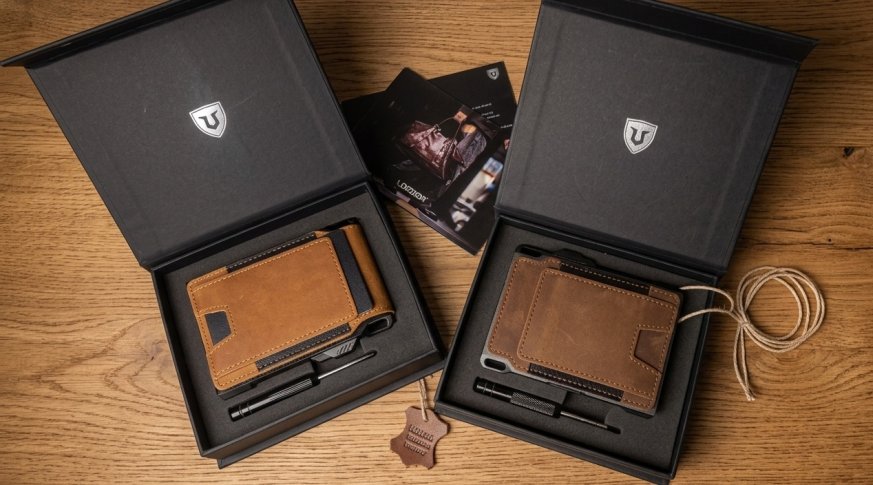
Sometimes it’s hard to break away from a trusty old leather bi-fold, especially when it’s settled into your back pocket like an old friend. But let’s be honest: over time, traditional wallets end up looking like an overstuffed burger and weighing down your pants. Modern metal cardholders solved the bulk problem, but they can feel a bit cold and industrial. LORZOR attempts to bridge that gap with their 1979 lineup, wrapping an aerospace-grade aluminum chassis in full-grain leather. In this review, we’re taking a look at both the LORZOR Tactical Minimalist Wallet ($99.99) and the LORZOR Fold Tactical Wallet ($129.00) to see which one deserves a spot in your front pocket.

Construction

We’ve seen a lot of minimalist EDC gear come through the door, but combining rigid metal with full-grain hide is always a tricky balance. Both of these wallets share the exact same foundation: a durable aerospace aluminum core wrapped in handcrafted full-grain leather, bound together with clean perimeter stitching. The aluminum box keeps your credit cards from getting bent or snapped when you sit down, while the leather outer sleeve gives your hands something organic to hold onto instead of slick metal.

Where the two models differ is in how that leather coat is tailored:

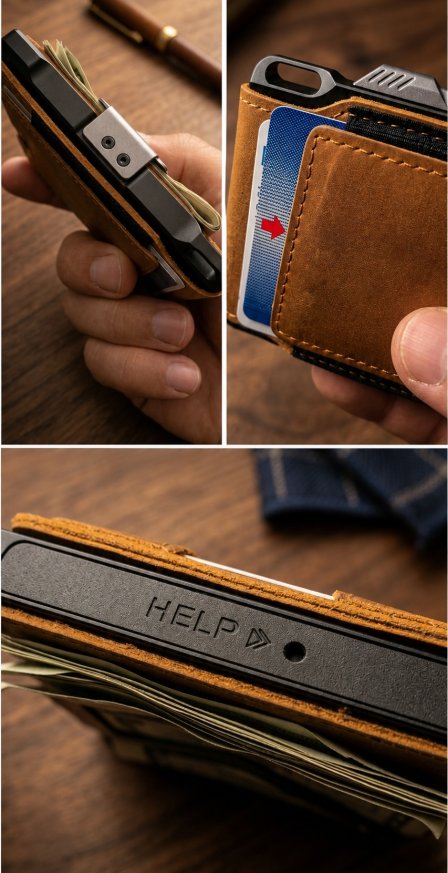
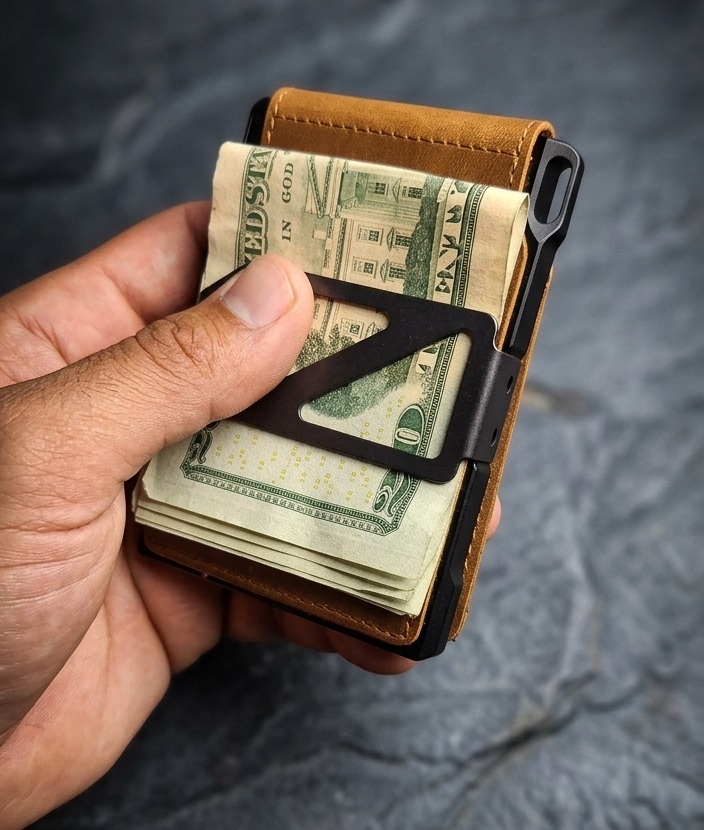
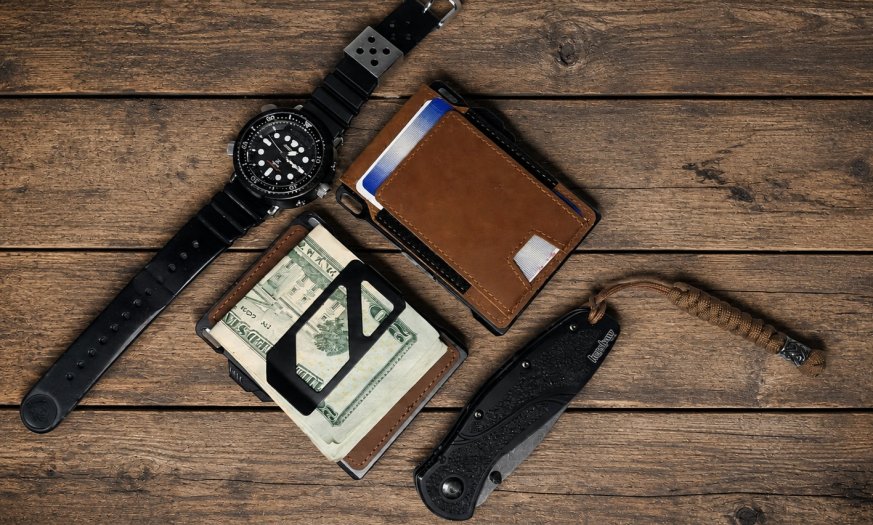
  • Tactical Minimalist: Keeps things streamlined with an open-face leather wrap around the aluminum card chamber, featuring a dedicated exterior quick slot and a removable metal cash clip mounted on the back.
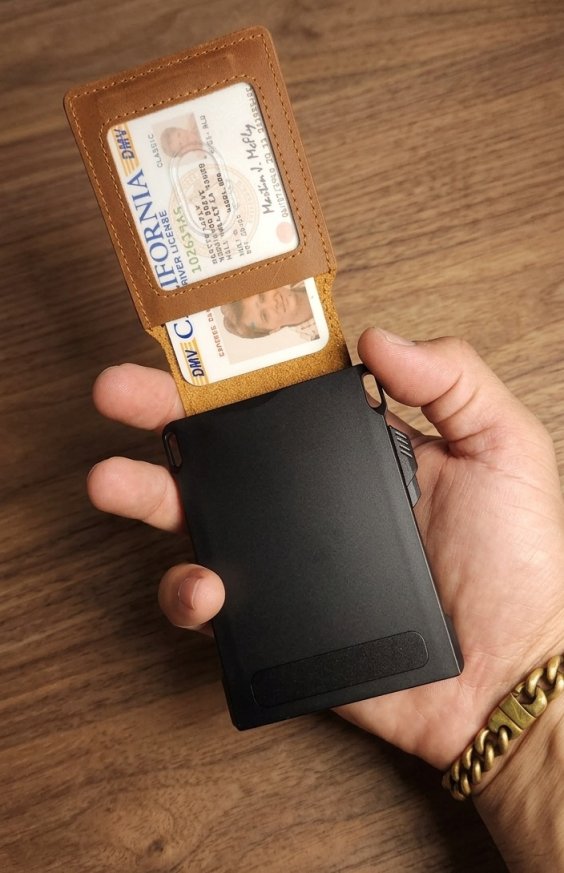
  • Fold Tactical: Takes a slightly more traditional route by adding a leather flap that folds over the top of the aluminum frame, complete with a built-in ID window on the interior.

Both options measure in at a compact 2.87″ x 3.89″ x 0.6″, and both house an internal mechanical trigger along with RFID-blocking tech to keep digital pickpockets out of your business.

Function

If you’re ready to declutter your daily carry, either model will easily handle 90% of what you actually need on a daily basis. The main event here is the mechanical pop-up lever at the base. One pull fans out 5 to 7 cards in a stepped cascade, so you aren’t stuck picking at individual slots while the line behind you at the register grows impatient.

  • Tactical Minimalist: This one is built strictly for efficiency. The internal metal chamber holds 5–7 cards, while the exterior leather pocket lets you stash another 3–5 cards for quick access. The rear cash clip comfortably handles a wad of folded bills without adding unnecessary thickness.
  • Fold Tactical: Offers a bit more protection and structure. The folding leather flap keeps pocket lint and grit from settling down into the card ejection mechanism. Plus, having a clear ID window right there means you can flash your driver’s license without having to pull the card out of the wallet every single time.

In daily testing, the Tactical Minimalist feels a touch quicker to operate when you just need to grab a credit card and go. However, if you find yourself pulling out a driver’s license or work badge regularly, the Fold Tactical saves you a step. 

Aesthetic

Visually, LORZOR manages to strike a nice balance between rugged utility and classic leathercraft. It has that distinct “tactical dry goods” vibe, but the full-grain hide softens the look so it doesn’t look like you’re carrying a piece of military hardware.

The Tactical Minimalist definitely leans harder into the sleek, modern front-pocket look. It’s unapologetically an EDC cardholder, perfect if you prefer clean lines and minimal fuss. On the flip side, the Fold Tactical mimics the familiar shape of a micro bi-fold when closed. If you’re pulling it out at a nicer dinner or a business lunch, it feels a little more understated and traditional. As with any quality full-grain hide, both versions will pick up scuffs and scrapes along the way, developing a great personal patina as you use them.

Conclusion

LORZOR’s 1979 lineup offers two distinct flavors for the front-pocket convert:

  • Go with the Tactical Minimalist ($99.99) if you want the absolute slimmest footprint, lightning-fast card access, and a simple bare-essentials setup.
  • Go with the Fold Tactical ($129.00) if you want the added protection of a top flap, quick visibility for your driver’s license, and a feel that stays a bit closer to a traditional wallet.

If you end up making a clear decision but could use a little extra nudge, use the code BESTLEATHER at checkout for an additional 25% off!

Both options bring serious structural strength to the table without sacrificing that rich leather hand-feel we love, making either model a very capable replacement for a tired, worn-out billfold.


Why Leather Lovers Are Adding Red Light Therapy to Their Wellness Routine

There is something that leather enthusiasts and red light therapy users share in common, and it is a preference for quality that lasts. Leather is chosen for its durability, its texture, its ability to age well when properly cared for. Red light therapy, increasingly, is being chosen for the same reasons, not as a trend, but as a long-term investment in physical health and skin quality that compounds with consistent use.

The connection between the two is not as tenuous as it might first appear. The people most drawn to genuine leather goods tend to be detail-oriented, quality-conscious individuals who think in terms of long-term value rather than short-term convenience. Those same qualities tend to draw people toward evidence-based wellness practices, and red light therapy sits firmly in that category.

What Red Light Therapy Does

Red light therapy works by delivering specific wavelengths of red and near-infrared light to the skin and underlying tissue. These wavelengths are absorbed by the mitochondria, triggering an increase in cellular energy production and initiating a cascade of repair and regeneration responses. The effects are cumulative and build with consistent use over weeks and months, which is precisely why quality-focused individuals tend to respond well to it.

The most well-documented benefits are in skin health. Red light therapy stimulates collagen and elastin production, improves skin tone and texture, reduces redness and supports the skin’s barrier function. For people who spend time outdoors, handle materials with their hands or simply want their skin to remain in good condition over time, consistent sessions deliver visible results without chemicals, procedures or downtime.

Beyond skin, near-infrared wavelengths penetrate deeper into tissue, supporting muscle recovery, reducing joint inflammation and improving circulation. For people who work with their hands, carry heavy materials or spend long hours on their feet, this makes red light therapy a practical recovery tool as much as a cosmetic one.

The Medical Grade Distinction

Not all red light therapy devices are created equal, and the distinction matters in the same way that the distinction between genuine and synthetic leather matters. Consumer-grade devices vary widely in spectral accuracy, irradiance consistency and build quality. medical grade red light therapy devices australia that meet clinical specifications deliver more consistent wavelength output, more stable power over time and better-characterised tissue interaction than entry-level products.

StreamShop Australia offers a range of devices designed for home use, making clinical-level technology accessible without the cost and inconvenience of repeated clinic visits. Sessions typically run between 10 and 20 minutes and can be built into an existing daily routine without disruption.

Making It Part of a Quality-Focused Routine

The appeal of red light therapy to quality-conscious individuals is straightforward: it is a well-researched, non-invasive tool that delivers results proportional to the consistency of use. Like caring for a good piece of leather, the returns come from regular attention rather than occasional effort. A session three to five times per week over four to eight weeks produces meaningful, visible changes in skin quality and physical recovery, and those results continue to improve with ongoing use.

For people already invested in quality materials, quality craft and quality care routines, red light therapy represents a natural extension of that same philosophy into personal health and wellness.

Coach Emmy Saddle Bag 23 Drops $165 at Nordstrom, but the Leather Case Matters More Than the Price

Dalius Mikalauskas has spent two decades watching how people make decisions about discretionary spending, and a $165.01 discount on a leather bag triggers a familiar pattern. The Coach Emmy Saddle Bag 23, currently marked down during the Nordstrom Anniversary Sale, is the sort of offer that can nudge shoppers toward checkout before they have considered questions like craftsmanship, durability, and whether the discounted price still represents genuine value.

Mikalauskas sees a similar decision-making process in other areas where people weigh how to spend their leisure budget. He notes that careful sports fans often review basketball betting tips before committing money, preferring to evaluate the reasoning behind a prediction instead of reacting to an eye-catching number alone. In his view, the same principle applies to retail purchases: the value of the product should come first, while the size of the discount should come second.

“A big markdown is a prompt to look harder, not a reason to look less.”

That instinct applies just as much to this bag.

Nordstrom’s Anniversary Sale Brings a Rare Coach Discount

The numbers are concrete. According to MassLive, the Coach Emmy Saddle Bag 23 is priced at $229.99 during the Nordstrom Anniversary Sale, against a regular retail price of $395.00. That gap, $165.01, represents 42 percent off.

The significance of that figure is not just arithmetic. Significant discounts on Coach leather goods are rare outside major sales events, which makes the Anniversary Sale one of the few windows where a buyer can access this category of product at a meaningfully reduced price. Once the sale concludes, the bag returns to full retail. There is no indication that this price carries beyond the event.

For a reader who has been considering a quality leather crossbody, that context shifts the calculation. This is not a routine promotional markdown; it is a structural exception.

All-Leather Construction and the Argument for Long-Term Value

The price argument holds only if the bag justifies it on material terms, and the construction case for the Emmy Saddle Bag 23 is straightforward. The bag is crafted entirely from leather, and MassLive notes that the material offers durability alongside a refined finish that improves with age.

That last detail carries specific weight for anyone who has owned a well-made leather piece. Leather that ages well does not simply hold together; it develops character, softening and deepening in tone over years of regular use. A bag that improves with age is, in a practical sense, a different object at five years than it is on day one. Buyers who treat it as a single-use or short-cycle purchase misread what the material offers.

The all-leather construction also speaks to repairability and resilience in ways that mixed-material or bonded constructions do not. No specific tanning method or leather grade is named in the available sourcing, but the claim of a finish that improves over time points toward a hide with genuine patina potential, which is the defining characteristic of leather that merits investment rather than replacement.

At $229.99, the per-year cost of a bag that lasts a decade is a fraction of what most buyers spend on a single lower-quality replacement cycle.

Compact Dimensions, Adjustable Fit, and a Practical Interior

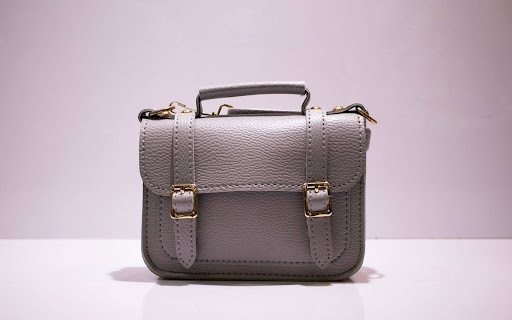
The Emmy Saddle Bag 23 measures 23 centimeters, a size that sits at the useful edge of compact. It is large enough to carry daily essentials without creating bulk, and small enough to avoid the weight and visual heaviness that makes larger crossbodies impractical for extended wear.

The adjustable crossbody strap is a functional rather than decorative feature. Fit varies by body type and carry preference, and a fixed strap forces a compromise that a rider can avoid. Adjustability means the bag works across a range of wearing styles, from high and close to the body to a longer, more relaxed drop.

Inside, the organized layout keeps a phone, wallet, and keys within reach without requiring the wearer to search. That sounds minor until the alternative is a single-compartment bag where everything migrates to the bottom. Structured access to three core items covers the practical needs of most daily routines.

The exterior silhouette reads as timeless rather than trend-specific, and the neutral tones are designed to pair across a range from casual to more polished dress. A bag that does not demand outfit coordination earns its wear frequency, which in turn justifies the cost per use.

Reviewer Consensus Points to Broad Appeal and Rapid Sell-Through

The market signal is worth noting alongside the quality case. The Coach Emmy Saddle Bag 23 has become one of the most popular items at the 2026 Nordstrom Anniversary Sale, and MassLive reports it has been selling quickly. That pace of sell-through is rarely accidental; it tends to reflect a product that delivers visible value at its sale price relative to alternatives available at the same event.

Reviewer consensus, per MassLive, positions the Emmy Saddle Bag 23 as a reliable, stylish choice for professionals, students, and travelers. Those three categories represent very different use profiles, and a bag that works across all three is making a functional argument, not just an aesthetic one. Professionals need something that reads appropriately in a work context. Students carry it continuously. Travelers require durability and security. A bag praised across all three groups has cleared a practical bar, not just a style one.

The selling-quickly signal also carries a secondary implication for buyers still deliberating. The Anniversary Sale price is already a narrow window. Inventory that moves fast narrows it further.

Once the sale ends, the Emmy Saddle Bag 23 returns to $395.00. That is the real reference point. The $229.99 price is not a new normal; it is a temporary exception to the standard retail reality of Coach leather goods, which rarely discount outside events of this scale. For a reader who has assessed the construction, the dimensions, and the wear case, the decision reduces to whether the value holds at sale price. The leather suggests it does. The clock on that price, however, is not indefinite.

The Research Habits Behind Every Good Purchase Decision

Anyone who has spent real money on a leather bag knows the feeling of doubt that creeps in before the box even arrives. Product photography flatters almost anything, and marketing copy is written to reassure rather than inform. That gap between how a good is presented and how it actually performs is exactly why review culture took hold across the internet in the first place. People who care about craftsmanship learn to look past a glossy photo and ask harder questions about grain, stitching, and hardware before they commit any money.

That habit, pausing to verify a claim before acting on it, does not stay confined to leather goods. It surfaces whenever someone decides where to spend money or time online, whether the choice involves a piece of furniture, a productivity app, or an unfamiliar platform that showed up in a sponsored post. The underlying question stays the same across every category: does this match what is being promised, and who exactly is making that promise.

Photo by Erik Mclean on Pexels

The Same Screening Extends Beyond Leather

This kind of comparison shopping has expanded well beyond physical goods. Today, people research everything from meal kit subscriptions and budgeting apps to streaming services before deciding where to spend their money, often relying on independent reviews rather than advertising alone. Video chat platforms follow the same pattern, with new services appearing regularly and each claiming to offer a better experience through different features, pricing models, moderation tools, or verification processes.

As they compare different platforms, users often read several review roundups before making a decision. In that process, they may come across a CooMeet alternative worth a look alongside other services, each evaluated on factors such as pricing, user verification, ease of use, and overall experience. It’s much like comparing leather jackets: several options may seem appealing at first glance, but reading multiple independent reviews makes it easier to separate well-supported conclusions from marketing claims before committing to a subscription.

Why First Impressions Rarely Tell the Whole Story

A hero shot can make almost any bag look identical to one costing three times as much money. The real differences only show up once someone presses a thumb into the surface, checks the smell, or examines how a seam was actually finished. Shoppers who spend real time comparing options tend to build an informal checklist covering fit, materials, return policy, and how a company handles a defective unit before it ships back. Weight matters too, since a bag that feels substantial in a photo can turn out to be surprisingly light and hollow once it arrives, a difference no image can fully convey. Hardware tells a similar story, since a zipper or clasp that looks polished in a listing photo can still feel loose or cheap the moment it is actually used. That habit of checklist thinking, rather than choosing whatever appears first in a search result, sits at the center of how experienced buyers avoid disappointment. It is part of why a running list of leather brands worth shopping online continues to get updated, since a single flattering photograph rarely tells a shopper everything they need to know before paying.


Labels and Language Can Mislead

Words printed on a label carry their own kind of marketing. A tag that reads genuine leather sounds reassuring, yet the term is technically accurate for material that sits barely one step above scrap, since regulations in most places only require a small percentage of actual hide content. It says nothing about thickness, tanning method, or how a piece will age over the following decade. Shoppers who understand why the word genuine says less than it seems to are far less likely to be swayed by one reassuring word printed on a swing tag. The same caution applies to phrases like premium, handcrafted, or limited edition, each of which describes a feeling rather than a fact anyone can verify, and each of which shows up on products that range wildly in actual quality.


Reading Reviews With a Skeptical Eye

Even a well written review deserves a second look. Some publications disclose clearly when a company has paid for coverage or provided a free sample; others bury that detail in fine print or leave it out entirely, which says something about how much confidence they have in their own objectivity. Neither situation automatically makes a review dishonest, but knowing which is which changes how much weight a reader should give the conclusion. The most useful reviews tend to name specific weaknesses alongside the praise, since a write-up with zero criticism usually says more about the relationship between the reviewer and the brand than it does about the product itself. Comparing a handful of independent reviews against a single sponsored post, rather than relying on either one alone, tends to produce a much clearer picture. Treating any single review as one data point among several, rather than a final verdict, keeps a shopper in control of the decision instead of just following along with whatever ranks highest.


None of this requires suspicion toward every product or platform a person encounters day to day. It simply means treating a purchase, physical or digital, as something worth a few extra minutes of research before money changes hands. The same care that goes into checking a seam or a return policy on a leather bag applies just as well to a subscription, an app, or any other service asking for money and attention. A little patience at the research stage tends to save far more time than it costs, since a returned bag or a cancelled subscription both eat into an afternoon that could have been spent elsewhere. Buyers who keep that habit rarely regret the extra few minutes it takes, and they tend to end up with fewer purchases they wish they could return.

How Do You Tell Great Leather Apart From Mediocre Leather?

People usually wonder how to choose the best leather manufacturer and whether it’s better to invest in such products or not because it’s risky if you end up buying subpar quality material.

And this has to do with most people focusing on material (leather) lifespan. But even if the material lasts you for a long time, other factors (e.g., leather grade, hide factor, tanning process, fiber density finishing, softness/suppleness, consistency, smell, patina potential, etc.) can still ruin the end result. The longer lifespan, in such a case, would only leave you with a bad product, only for longer than what you’d want.

So, if you bought a really cute purse only because the price was good, but you didn’t really need it, you won’t take proper care of it and will only see its flaws. And that’s also what actually separates amazing purchases from average ones. It’s all in defining what you really want and giving it time to show its true value.

Satisfaction comes from smart decisions in the first place.

A Great Leather Purchase Starts Before You Own It 

As mentioned above, buying this just because won’t really give you the greatest buying experience.

Analyze your specific needs (a.k.a. what is it for?): 

  • Is it a new briefcase for work? 
  • Maybe a wallet? 
  • Is it perhaps a present for someone? 

Think about it for a second – it’s the intention that creates new value, not the other way around.

Plus, when you know what you are looking for, you can dive deeper into your requirements. That means if one brand doesn’t have the chosen dimensions or colors, you move to another one (which wouldn’t be the case if you hadn’t considered it).

For example, buying a briefcase that’s too heavy for daily transport. If that’s the case, it’s not up to the product; it’s up to the buyer’s lifestyle and needs.

It explains why it’s not always the best review, and why personalization makes great purchases.

There’s More To Leather Than Just The Material Properties

After you’ve decided on leather type, tanning and finishing, and all those little details revolving around leather itself, there are more details defining good product construction. That means if the stitching is bad or the handles can’t give you full support, it determines the product’s lifespan.

Maybe the most important part is focusing on parts that experience the most movement and repeated friction. These are the parts/friction points that tend to wear out the most.

If these are badly done, like card slots opening in a wallet or zipper corners on a bag, no matter how excellent the leather is, it will wear out way sooner than it should.

Compared to split or corrected leather, full-grain leather tends to have higher tensile strength, which also leads to greater long-term durability. This has to do with full-grain leather retaining its natural collagen fiber structure. – United States Department of Agriculture

Not to mention, when ordering, it’s very hard to tell how it’s done and whether the product will fail. That’s why lots of people go personally to the shops before ordering online.

In that case, you know exactly what to expect and can consult with more experienced workers. But luckily, today we’ve got more and more specific angles and photos available, providing you with almost all the information.

Every Great Purchase Depends on Proper Handling 

Another point is that before you place an order, do some background research on how products are handled.

Usually, you can find where it is manufactured, where the warehouses are, and how they are transporting it to you. Plus, this is the point where you might check reviews where people have graded how good the packaging was.

These points may not seem as important as the products themselves, but their quality highly depends on the way they are stored. With insufficient packaging and prolonged transport, metal details can start to rust. While leather naturally absorbs moisture, it can soften or change its color.

Leather naturally absorbs moisture from the environment because it has hygroscopic properties. If not properly controlled, this can cause softening and discoloration. – Leather Research Laboratory, University of Cincinnati

As more and more people are becoming aware of these oversights during storage and transport, lots of firms have opted to be more transparent with their customers.

Some manufacturers have upgraded their transport through logistics weather forecasting, as it helps them determine the best day for delivery. On the other hand, if the customers are waiting a bit longer, they have a precise explanation for that.

This way, both sides get what they want.

Purchases Reveal Their Value Over Time 

One of the biggest differences between average purchases and great ones is how the product shows over time.

This can be specifically tied to leather: a good quality one improves with use. Gradually, leather products mold with your habits; they might seem stiff at the beginning, but they go through a break-in period.

Also, taking proper care should pretty much go without saying.

It happens that people misinterpret the patina appearance. They take it as a flaw instead of a sign that it’s natural and characteristic leather.

All these make one leather purchase turn into a lifetime value.

Conclusion 

The bottom line of every quality leather purchase is precision and time. Your needs and specifications make the product more unique to you. While at the same time being thoughtful with it and searching makes the rest.

If you’re looking for years of usage, there should be a separate time to make the right decisions before checkout. And to prepare for a bit of waiting in case the conditions aren’t best. 

Plus, taking proper care of leather will reward you for years afterward.

2 Interlinking Opportunities:

From https://bestleather.org/how-to-choose-a-leather-duffle-bag-that-actually-lasts-a-practical-guide with anchor good product construction

From https://bestleather.org/why-full-grain-leather-is-the-most-authentic-material-for-handmade-goodwith anchor patina appearance

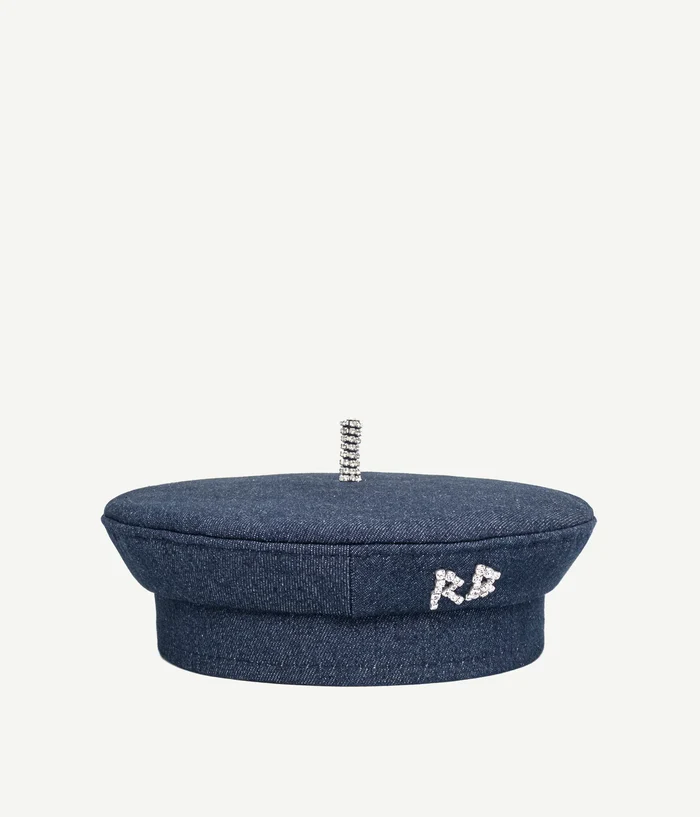
Beyond Paris: The Modern History of the Designer Beret and Its Pairing with Leather

The beret is no longer just a relic of artists’ studios and Parisian boulevards, a quiet nod to a bygone era. Today, when it comes to the designer beret, it’s no longer a matter of nostalgia but of a new language of individuality. Paired with the right leather bag or a sculptural pair of gloves, it turns a simple silhouette into a statement — proof that street culture, haute couture, and personal expression can share the same frame.

From the ateliers of Montmartre to the front rows of international runways, this accessory has traveled further than anyone could have predicted — and leather goods and considered accessories have followed the same route, becoming essential markers of taste in their own right. The beret remains instantly recognizable, yet it now carries a different weight: one of the most quotable elements of the modern wardrobe.

From a Symbol of Bohemia to a Wardrobe Element of the Elite

The classic beret has always been about a way of thinking, not about fashion in the narrow sense. It was associated with creative freedom, intellectual independence, and a subtle challenge to the system. Today, people see it differently: as a symbol of confidence and effortless style.

Ruslan Baginskiy has become one of those names that have redefined the beret in the modern luxury market. Those who choose such an accessory are not following fashion. They have their own visual language, where shape, silhouette, and texture speak louder than words. This quiet confidence is what makes a beret a piece that works in any context, from business to evening wear.

What Distinguishes a Truly High-Quality Beret

It’s not there — the difference between a mass-produced accessory and a luxury one but further in, by touch, in the details of the cut, the way a garment holds its shape. These nuances determine whether a beret will become a one-season wardrobe staple or a treasured item for years to come, providing it with emotional value.

Here are some things to consider:

  • high-density material;
  • hand-finished edges;
  • precise fit;
  • elegantly restrained color palette;
  • thoughtful balance of volume and simplicity;
  • shape stability when carefully stored;
  • neat interior stitching.

Each of these points isn’t a technical detail but part of a philosophy in which quality is more important than impact and restraint is more powerful than any logo. This is what creates a product that doesn’t need a loud statement.

Beret and Leather Accessories: A Play of Textures

The contrast of textures reveals the character of an outfit. A soft, sturdy beret — made of wool, denim, or cotton — looks especially striking when paired with leather accessories, such as a shoulder bag, a thin belt, or gloves. The pairing is a nod to the contrast of materials: the hat’s supple texture with the dense, tanned leather of the accessories that hold their shape and age beautifully.

Hats and leather goods are a style system, not individual pieces, and this pairing has long been part of the visual language of luxury brands.

Conclusion

A story of how one simple shape can stand the test of decades and be relevant again in each new era is the story of the beret. Together with thoughtfully crafted leather accessories, it forms a wardrobe rooted in craftsmanship rather than trends. No longer limited to one city or one image, it is now a universal symbol of style, the icon for those who want culture, form, and quality all at once.

How to Choose a Leather Wallet That Lasts for Years

A leather wallet is one of the few everyday accessories that becomes more valuable with time. Unlike fast fashion items that quickly wear out or lose their appeal, a well-made leather wallet develops character with every year of use. 

It carries your cards, cash, identification, and daily essentials while quietly becoming part of your everyday routine.

Unfortunately, not every leather wallet is built to last. Many wallets that look impressive in a store begin to lose their shape, develop loose stitching, or crack after only a few months. 

Understanding what makes a great leather wallet isn’t just about buying a premium product. It’s about making an informed investment that saves money over time and gives you something you’ll genuinely enjoy carrying every day.

Whether you’re shopping for your first leather wallet or replacing an old favorite, knowing what to look for can make all the difference.

The Leather Matters More Than the Brand

The biggest factor that determines how long a wallet will last is the leather itself. Two wallets may appear almost identical at first glance, but the type of leather used can dramatically affect durability, flexibility, appearance, and how the wallet ages over time.

Full Grain Leather

Ask any experienced leather craftsman what material they prefer, and you’ll often hear the same answer: full grain leather.

Full grain leather is made from the strongest part of the hide and keeps its natural grain intact. 

Because the surface isn’t sanded or corrected, every wallet has its own unique texture and markings. More importantly, the leather retains its natural strength.

Instead of peeling or cracking, full grain leather develops a rich patina—a gradual change in color and texture that reflects years of use. Many leather enthusiasts consider this aging process one of the material’s greatest qualities because no two wallets age exactly the same way.

If your goal is to own a wallet that still looks beautiful five or ten years from now, full grain leather should be at the top of your list.

Top Grain Leather

Top grain leather is another excellent choice for everyday wallets. During production, the surface is lightly sanded to remove small imperfections, creating a smoother and more uniform appearance.

While it doesn’t develop quite the same character as full grain leather, it still offers excellent durability and a refined finish that many people appreciate.

Genuine Leather

The term “genuine leather” often creates confusion.

Although it is real leather, genuine leather is typically produced from lower layers of the hide after the highest quality layers have been removed. 

It can still make a functional wallet, but it generally won’t offer the same strength, longevity, or beautiful aging characteristics found in premium full grain or top grain leather.

If you’re looking for a wallet that will accompany you for years instead of months, investing in higher quality leather is usually the smarter decision.

Vegetable Tanned Leather

The tanning process also plays an important role.

Vegetable tanned leather uses natural tannins extracted from tree bark and plants instead of synthetic chemicals. The result is leather that feels firm when new but gradually softens with use while developing a warm, distinctive patina.

For many leather enthusiasts, vegetable tanned leather represents traditional craftsmanship at its finest.

Great Leather Deserves Great Craftsmanship

Even the highest quality leather cannot compensate for poor construction.

A wallet experiences constant stress every day. It is folded hundreds of times, carried in pockets, exposed to changing temperatures, and handled repeatedly. Without careful craftsmanship, even premium materials will eventually fail.

When examining a leather wallet, pay close attention to details that many buyers overlook.

Stitching

Strong stitching is often the clearest sign of quality.

Look for evenly spaced stitches that run straight along the edges without loose threads or inconsistent spacing.

Many premium handmade wallets use saddle stitching, a traditional technique where two needles pass through every hole independently. Unlike standard machine stitching, saddle stitching continues to hold even if one stitch becomes damaged, making the wallet significantly more durable.

High-quality waxed thread also adds strength while resisting moisture and everyday wear.

Edge Finishing

The edges of a wallet reveal a surprising amount about its overall construction.

Well-made wallets feature carefully burnished edges that feel smooth to the touch rather than rough or unfinished. Burnishing seals the leather fibers, improving both appearance and durability.

Cheap wallets often skip this step, leaving exposed edges that begin separating over time.

Precision Matters

Small details separate exceptional craftsmanship from mass production.

Card slots should be evenly aligned.

The wallet should fold naturally without twisting.

The leather grain should remain consistent across every panel.

Stress points should be reinforced, especially around the cash compartment and frequently used card pockets.

These details may seem minor individually, but together they determine how well a wallet performs after years of everyday use.

Many independent leather workshops continue to preserve these traditional techniques instead of relying solely on automated manufacturing. 

Moodcrafts is one example of a brand that focuses on handcrafted leather goods using premium materials, careful stitching, and timeless construction principles that prioritize durability over short-term trends.

Choose a Wallet That Fits Your Lifestyle

A great wallet isn’t simply the one made from the best leather—it’s the one that matches the way you live.

Someone who carries fifteen cards every day will have different needs than someone who mostly pays digitally. Likewise, frequent travelers often prioritize organization, while minimalists may prefer a slimmer profile.

Understanding the most common wallet styles makes it easier to choose one you’ll actually enjoy carrying every day.

Bifold Wallet

The bifold remains the classic choice for a reason.

It offers an excellent balance between storage capacity and comfort while fitting easily into most pockets.

A typical bifold includes:

  • Multiple card slots
  • A full-length cash compartment
  • An ID window
  • A slim folding profile

For many people, it remains the most practical everyday carry option because it provides enough storage without becoming unnecessarily bulky.

Trifold Wallet

A trifold wallet offers additional space for people who regularly carry extra cards, business cards, receipts, or cash.

While highly functional, the additional fold naturally creates a thicker wallet. If pocket comfort is important to you, it’s worth considering whether you truly need the extra storage.

Card Holder

Minimalist lifestyles have made card holders increasingly popular.

They are compact, lightweight, and ideal for people who mainly rely on contactless payments while carrying only a few essential cards.

A well-crafted leather card holder also develops the same attractive patina as larger wallets while taking up very little space in your pocket.

Front Pocket Wallets and Everyday Carry

Over the last decade, front pocket wallets have become increasingly popular, especially among people who prefer a minimalist everyday carry (EDC). Instead of carrying a bulky wallet filled with old receipts, unused loyalty cards, and unnecessary items, many people now choose a slimmer design that holds only what they use daily.

A well-designed front pocket wallet is comfortable to carry, reduces bulk, and encourages better organization. Most include enough room for a few payment cards, identification, and folded cash without adding unnecessary thickness.

If comfort is one of your priorities, a compact leather wallet is often a better choice than the largest wallet available.

Think About Functionality Before Style

A beautiful wallet isn’t always the right wallet.

Before choosing one, think about how you actually use it every day rather than how it looks in product photos.

Ask yourself a few practical questions:

  • How many cards do I carry regularly?
  • Do I still carry cash?
  • Do I need quick access to my ID?
  • Will I use this wallet while traveling?
  • Do I prefer a minimalist design or maximum storage?
  • Would RFID protection be useful?

Answering these questions helps narrow your choices and prevents buying a wallet that doesn’t fit your daily routine.

The best wallet is the one that supports your lifestyle without becoming uncomfortable or overloaded.

Should You Buy an RFID Blocking Wallet?

RFID blocking has become a popular feature in modern wallets, but not everyone actually needs it.

RFID technology is used in many contactless payment cards and identification cards. Some wallets include a protective lining designed to reduce the risk of unauthorized scanning.

For frequent travelers or people who regularly use contactless cards, RFID blocking can provide additional peace of mind. However, it shouldn’t be the primary reason for choosing a wallet.

Quality leather, durable construction, thoughtful design, and reliable craftsmanship will have a much greater impact on how long your wallet lasts than any additional feature.

If you find a wallet that combines excellent craftsmanship with RFID protection, that’s an added benefit rather than the deciding factor.

The Small Details Reveal True Quality

Experienced leather craftsmen often judge a wallet within seconds because they know where to look.

Instead of focusing only on appearance, examine the finer details.

The Leather Grain

Natural leather has subtle variations that give every piece its own character. Uniform surfaces that appear almost artificial can sometimes indicate heavily corrected leather rather than premium full-grain hides.

The Stitching

Stitches should be evenly spaced and perfectly straight.

Loose threads, uneven spacing, or skipped stitches are signs of rushed manufacturing.

Edge Finishing

Run your finger along the edge of the wallet.

A quality wallet should have smooth, carefully burnished edges rather than rough layers that may begin separating over time.

Card Slot Construction

Card slots should securely hold cards without feeling excessively tight.

If removing a card requires excessive force when the wallet is new, the leather may stretch unevenly after regular use.

Folding Comfort

Open and close the wallet several times.

A properly constructed wallet folds naturally without twisting or placing unnecessary stress on the stitching.

These seemingly small details often determine whether a wallet lasts one year or ten.

Common Mistakes People Make When Buying a Leather Wallet

Buying a leather wallet isn’t something most people do often, which makes it easy to overlook important details.

Avoid these common mistakes.

Choosing the Cheapest Option

Price alone rarely tells the full story.

An inexpensive wallet may appear to save money initially, but replacing it every year usually costs more than investing once in a well-crafted product.

Ignoring Leather Quality

Many shoppers never ask what type of leather is being used.

Knowing the difference between full grain, top grain, and genuine leather helps you make a much better long-term investment.

Buying Too Much Wallet

Large wallets filled with unnecessary compartments often become uncomfortable to carry.

Choose a design based on what you actually use every day instead of what you might need occasionally.

Focusing Only on Appearance

Beautiful color and attractive packaging don’t guarantee durability.

Always evaluate the construction, stitching, leather quality, and finishing before making a decision.

Forgetting That Leather Ages

Unlike synthetic materials, quality leather changes over time.

Minor marks, color variation, and the gradual development of patina are natural characteristics that make genuine leather unique rather than flaws.

A Simple Checklist Before You Buy

Before purchasing any leather wallet, take a few moments to evaluate it using this checklist.

✔ Full grain or top grain leather

✔ Vegetable tanned leather when available

✔ Strong saddle stitching

✔ Durable waxed thread

✔ Smooth burnished edges

✔ Clean edge finishing

✔ Well-designed card slots

✔ Functional cash compartment

✔ Comfortable everyday carry

✔ High-quality craftsmanship

If a wallet meets most of these standards, you’re far more likely to enjoy using it for many years.

Where to Find a Well-Crafted Leather Wallet

Once you understand what separates an average wallet from one that’s built to last, comparing different brands becomes much easier.

Instead of focusing only on logos or marketing claims, look for brands that emphasize premium leather, skilled craftsmanship, traditional stitching techniques, thoughtful organization, and timeless design.

If you want to see what these qualities look like in a finished product, browse this collection of handcrafted men’s leather wallet designs made from premium leather and built for everyday durability.

Choosing a wallet built around these principles gives you a much better chance of owning something that will age beautifully and remain dependable for years.

Don’t Forget Regular Maintenance

Even the finest leather wallet benefits from occasional care.

Leather is a natural material, and like any natural material, it performs best when properly maintained.

Simple habits can dramatically extend the life of your wallet:

  • Avoid overstuffing it.
  • Keep it away from excessive moisture.
  • Allow wet leather to dry naturally.
  • Clean dust and dirt with a soft cloth.
  • Apply a quality leather conditioner occasionally.
  • Store it in a cool, dry place when not in use.

If you’re interested in learning more about preserving the appearance and longevity of leather products, this guide to leather care provides helpful maintenance tips for keeping leather in excellent condition.

Final Thoughts

A leather wallet is one of the few accessories you’ll handle every single day. Choosing the right one isn’t about finding the most expensive option or the biggest brand name—it’s about understanding quality.

The best wallets are built from premium leather, stitched with precision, finished by skilled craftsmen, and designed to become even more attractive as they age. They develop a unique patina, soften naturally with use, and often remain reliable for many years.

By paying attention to leather quality, construction methods, wallet style, and long-term functionality, you’ll make a purchase that delivers value long after the day you buy it.

A well-crafted leather wallet isn’t just an accessory. It’s an investment in everyday quality, timeless craftsmanship, and lasting durability.

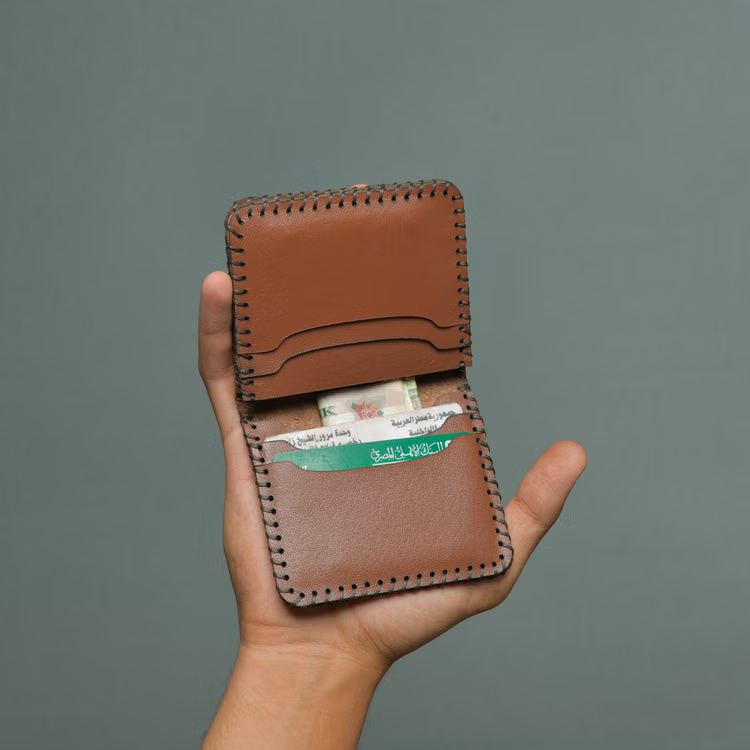
Why Are Some Sports Balls Still Made of Leather While Others Switched to Synthetic Materials?

A bad sports ball gives itself away quickly: the bounce feels wrong, the grip disappears, the flight looks strange, and suddenly everyone has an opinion. That is why material choice matters. Leather became the old standard because it was strong, flexible and familiar, while synthetic covers later gave modern sport something it wanted badly: repeatable behaviour. So the question is not simply “which material is better?” The real question is what each sport wants to protect. Some games protect touch, tradition and the way the ball wears over time. Others protect durability, weather resistance and consistency. That is the centre of the Leather vs synthetic balls debate.

Why Leather Still Gets Defended

Leather survives because it gives some sports a feel that players recognise immediately.

That does not mean leather is magical. It means the surface, seam, texture and wear can become part of the game itself. In baseball and cricket, for example, the way the ball changes during play affects grip, swing, spin and control. Players do not only use the ball. They read it.

Tradition matters too. If a sport has built generations of skill around one type of touch, changing the ball can feel like changing the game. Fans may not explain it technically, but they notice when the rhythm looks different.

Leather remains valuable because it can:

  • Offer familiar grip and texture;
  • Support traditional movement and control;
  • Wear in a way athletes understand;
  • Preserve the identity of older sports;
  • Carry premium value in professional settings.

This is why some governing bodies move slowly. They are protecting more than equipment.

Why Synthetic Materials Became Practical

Synthetic materials took over in many sports because they solve boring problems. And boring problems matter.

Rain, heat, sweat, repeated impact and mass production all test a ball. Natural leather can perform beautifully, but it may also absorb moisture, change feel or vary more from one unit to another. Synthetic materials are often easier to standardise, scale and tune for specific conditions.

Sports ball materials changed because modern competitions need reliability. A training ball should not feel completely separate from a match ball. A ball used in bad weather should not become a different object after twenty minutes.

This is where Sports equipment technology became important. The aim was not to remove the soul of the game. It was to reduce random variation, so players could trust what the ball would do.

How Material Changes Performance

The ball quietly shapes tactics.

Change the outer layer, seam, texture or weight distribution, and the game can shift. Bounce may become sharper. Grip may improve or fade. Flight can become more stable, or harder to read. Spin can feel easier to control in one sport and less natural in another.

Professional athletes notice this fast because the margins are small. A casual player may say, “This feels different”. A goalkeeper, bowler, kicker or tennis player may feel that difference in timing and confidence.

SportWhat material can affect
FootballFlight, touch, shot accuracy, goalkeeper handling
BasketballGrip, bounce and sweat control
BaseballSeam feel, pitching grip and ball carry
CricketSwing, seam movement and surface wear
TennisBounce, speed and felt durability

That is why Ball performance in sports is not a side detail. It can influence tempo, technique and how aggressive teams feel able to play.

Why Analysts Watch Equipment Changes

Most fans do not check ball construction before a match. Fair enough. They want the game, not a material science lecture.

But analysts, commentators and serious bettors often pay attention when a competition introduces a new official ball. Not because the ball decides everything, but because small changes can create small problems. A ball that moves differently in the air may affect long shots. A surface with different grip may affect handling, passing speed or control under pressure.

Sports enthusiasts who follow major tournaments closely often look beyond team statistics and player form when analysing matches. Equipment changes can become another interesting variable, particularly in sports betting communities and online platforms. Online casino and sports betting brands such as Winshark Casino have contributed to the growing interest in sporting trends and tournament analysis by offering sports fans additional ways to engage with major competitions.

The sensible view sits in the middle. A new ball will not turn an average team into champions. But at elite level, tiny changes can matter, especially before major tournaments or new seasons.

That is why Leather vs synthetic balls remains a useful topic. Material choice affects behaviour, and behaviour affects how the game feels.

The Next Material Battle

The future will probably not belong fully to leather or fully to synthetic materials. It will be selective. Some traditional and premium sports may keep leather where it protects touch, wear and identity, while faster or more weather-exposed sports will continue moving toward advanced synthetic designs. Sustainability will also push manufacturers to test recycled materials, lower-impact production and longer-lasting covers. The best ball will not be the newest one by default. It will be the one that fits the sport’s character. That is the real answer behind Leather vs synthetic balls: some games need tradition in the hand, while others need consistency in every bounce, pass and shot.

Green Baize and Bridle Leather: The Craft Behind Classic Game-Room Furniture

Image by thuynhungle99 on Magnific 

Run a hand across the top of a Georgian card table and you learn two things before you have looked at it properly. The cloth has a direction. The leather at its edge has been compressed by two centuries of forearms resting in the same three places.

Furniture built for play is an unusual category. It has to survive being leaned on, spilled on, and closed and reopened tens of thousands of times, while presenting a surface engineered for a very specific coefficient of friction. The people who made these objects were solving a technical problem, not decorating a room, and the materials they settled on have barely been improved upon.

What Baize Actually Is

Almost everyone calls it felt. It is not felt.

Baize is a woven woollen cloth, napped after weaving to raise a short fibrous surface. Felt is matted rather than woven, and it would shed, pill and tear under a dealt card within a season. The distinction matters because the nap is the whole point. Wool fibres lie in a direction, and a card thrown across the grain behaves differently from one thrown with it. Dealers know this. So do the people who lay the cloth.

Billiard cloth is a different animal again: worsted rather than woollen, tightly spun, sometimes napped and sometimes deliberately not, because a ball wants a predictable roll and a card wants a controlled stop.

As for the green, the honest answer is that nobody knows for certain. Wool took certain dyes cheaply. Green is restful under candlelight. And the earliest tables were imitating lawns, which is where the games came from. All three explanations are probably partly true and none of them can be proved.

The Leather on a Card Table

Bridle leather is the material most associated with English game-room furniture, and its presence there is an accident of harness-making.

It is vegetable tanned, which takes months rather than the hours that chrome tanning requires, and then stuffed: worked full of tallows and waxes until the fibre structure is saturated. The result is dense, water-resistant, and capable of taking a burnished edge. It was developed to survive a horse. A card table is, by comparison, a gentle life.

You find it at the table edge, on cue-rack straps, on the seats of the accompanying chairs, and, in its thinner cousin skiver, laid across writing surfaces and tooled in gold. A well-made leather edge is skived to a feather, folded, and glued so that no step is detectable under a sleeve.

None of this survives digitisation, and there is no use pretending otherwise. A player at Mr Q slots online touches glass and nothing else. That is precisely why the physical objects have not disappeared. They offer the one thing a screen cannot, which is the hand’s memory of a surface, and a table that has kept a record of everyone who ever sat at it.

Joinery Built for Folding

The great card tables are defined by their hinges, which is not something you can say about many pieces of furniture.

A folding top means the frame must be rigid when open, compact when closed, and untroubled by either state. The finest English solution is the concertina action: a folding frame that draws out from within the carcass, supporting the opened leaf across its whole depth rather than on a swung rear leg. It is expensive, invisible, and the single most reliable indicator of quality on an eighteenth-century card table. Cheaper tables use a gate leg, which works, and looks it.

The tops themselves are usually mahogany, often veneered onto a stable secondary timber, sometimes with counter wells and candle stands inlaid at the corners. Collections such as those held by the Victoria and Albert Museum hold examples where the marquetry alone would have cost more than a labourer earned in a decade.

Billiard Tables and the Problem of Slate

Everything difficult about a billiard table follows from the bed.

The playing surface is slate, quarried, ground flat, and laid in three sections on a full-size table because a single slab would be unliftable and would crack. The three-piece bed must be levelled and the seams filled so that no ball can detect them. Beneath it sits a frame that is not really furniture at all but a structure, and above it a cloth stretched and tacked under tension that must be even in every direction.

The cushions are vulcanised rubber, a nineteenth-century arrival that transformed the game by making the rebound predictable. Before vulcanisation, cushions were stuffed with felt or list, and they died quietly within a year.

A full-size table weighs comfortably over a tonne. Anyone installing one in a first-floor room should be talking to a structural engineer, not a removals firm.

Caring for a Table That Outlives You

Brush baize in one direction, with the nap, using a soft brush and no vacuum. Vacuums lift the nap and eventually pull it out.

Leather wants very little. Occasional conditioning with a light dressing, applied sparingly, and no attempt to feed it into submission. Most damaged antique leather has been damaged by kindness.

Keep the table out of direct sun, which fades wool dye faster than anything else, and away from radiators, which will open every joint you own. Humidity between roughly forty and sixty per cent keeps timber and hide equally content.

Do all of that and the table will require re-clothing perhaps twice in your lifetime, which is a reasonable price for an object that will still be recording forearms long after everyone currently resting on it has stopped.

Planning the Proposal: How to Get the Ring, the Moment, and the Details Right

Photo by Gabe Pierce on Unsplash

Planning a proposal can feel both exciting and intimidating. While the ring often receives the most attention, it’s only one part of a much bigger experience. The location, timing, atmosphere, and personal touches all contribute to creating a moment that feels genuine rather than overly scripted.

Many people spend months thinking about how to make a proposal memorable, but the best ones usually aren’t defined by extravagant gestures. Instead, they’re built around thoughtful planning and an understanding of what will feel meaningful to both people involved. The goal isn’t creating the perfect social media moment, it’s creating a memory that will still matter decades later.

Start by Choosing the Ring That Fits the Person

The ring is often the only part of the proposal that lasts forever, making it worth careful consideration. Rather than focusing solely on size or current trends, many couples place greater value on selecting a style that reflects personality and lifestyle.

One of the biggest decisions involves choosing the center stone. Some people appreciate the classic brilliance of diamonds, while others are drawn to the distinctive color and individuality of emeralds. Comparing emerald vs diamond engagement rings can help highlight the differences in appearance, durability, symbolism, and everyday wear, making it easier to select a ring that feels personal rather than simply traditional.

A thoughtful choice almost always carries more meaning than one based purely on expectations.

Plan the Celebration Beyond the Proposal

The proposal may last only a few minutes, but the celebration often continues long afterward. Whether it’s a private dinner, a gathering with close family, or an engagement party, thinking ahead about what happens after the question is asked helps the entire experience feel complete.

Some couples prefer an intimate evening together before sharing the news, while others enjoy celebrating immediately with friends and relatives. For larger outdoor celebrations or special occasions where local regulations allow, some hosts include rocket fireworks as part of the festivities to mark the occasion in a memorable way. When used responsibly and in accordance with local laws, they can become one element of a thoughtfully planned celebration rather than the main attraction.

The proposal may be the highlight, but the moments that follow often become equally memorable.

Choose a Location With Personal Meaning

Photo by Nikola Mihajloski on Unsplash

Beautiful locations are easy to find, but meaningful locations are far more memorable.

Many successful proposals happen in places connected to the couple’s story: the park where they first met, a favorite hiking trail, the restaurant from an unforgettable date, or even their own home prepared in a thoughtful way.

Personal significance usually creates a stronger emotional impact than choosing a famous destination simply because it’s visually impressive.

A familiar setting often allows both people to remain more relaxed and present in the moment.

Keep the Plan Flexible

Even the best preparation can’t control everything.

Weather changes, travel delays, crowded venues, or unexpected interruptions can all affect carefully planned proposals. Having a backup plan helps reduce stress if circumstances change unexpectedly.

Flexibility also makes it easier to respond naturally instead of becoming overly focused on following a precise schedule.

The most memorable proposals often feel spontaneous, even when they’ve been carefully planned behind the scenes.

Think About the Small Details

Simple details often make the biggest difference.

Charging your phone or camera, arranging photography if desired, confirming reservations, preparing transportation, and ensuring the ring is safely stored all help prevent avoidable problems on an important day.

It’s also worth considering whether your partner would prefer a completely private proposal or one shared with family and friends. Knowing what will make them feel most comfortable demonstrates thoughtfulness before the question is ever asked.

Planning for these details allows you to focus entirely on the moment itself.

The Best Proposals Feel Personal

There is no universal formula for the perfect proposal because every relationship is different.

Some couples prefer grand celebrations, while others value quiet moments without an audience. Some enjoy elaborate surprises, while others appreciate simplicity and sincerity.

What matters most is creating an experience that reflects your relationship rather than someone else’s expectations. A carefully chosen ring, a meaningful location, thoughtful planning, and a celebration that feels authentic all contribute to a proposal that becomes more than a single question.

Years later, most couples won’t remember every tiny detail of the day. They’ll remember how the moment made them feel, and that’s ultimately what thoughtful planning is designed to protect.


What Makes a Handmade Piece Worth the Price – From Leather to Woven Cloth

Photo by Álvaro Serrano on Unsplash 

Handmade products often cost more than mass-produced alternatives, and it’s easy to wonder whether the higher price is truly justified. At first glance, two scarves, bags, blankets, or home accessories may appear similar, yet one carries a significantly higher price tag.

The difference usually isn’t based on appearance alone. Handmade goods represent hours of skilled work, carefully selected materials, specialized techniques, and attention to details that machines often cannot replicate. While factory production focuses on speed and consistency, handcrafted work prioritizes quality, durability, and individuality.

Understanding what contributes to the value of handmade products makes it much easier to appreciate why some pieces continue serving their owners for decades.

Craftsmanship Is Measured in the Details

Quality craftsmanship rarely announces itself immediately.

Instead, it becomes visible through carefully finished seams, precise stitching, balanced construction, clean edges, and thoughtful design decisions that improve both appearance and durability. These are the elements that often require the greatest amount of time but receive the least attention from casual buyers.
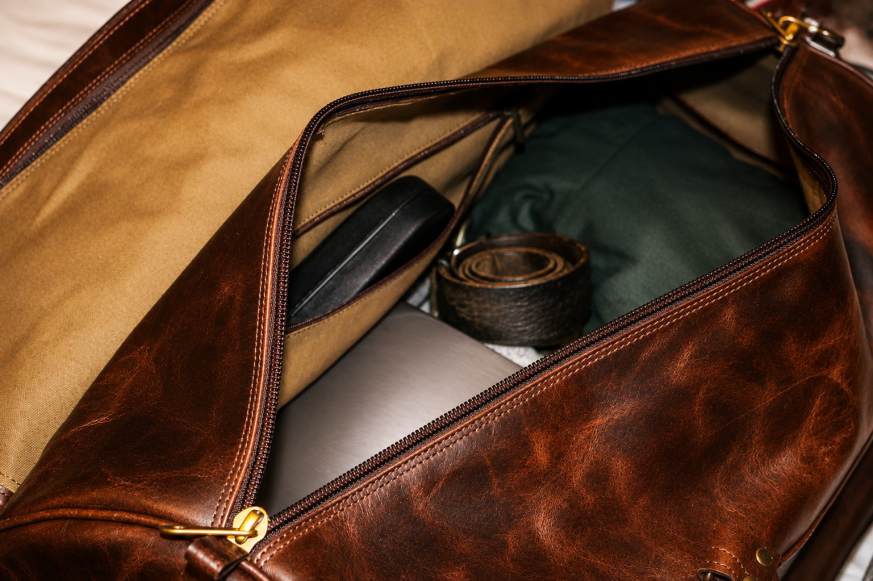
When evaluating handcrafted textiles or custom accessories, it also helps to consider how the product was made rather than focusing solely on the finished appearance. Looking through examples from https://www.diehardscarves.com/ offers insight into how customized textile products rely on careful production techniques, consistent finishing, and attention to detail to create pieces designed for repeated use rather than short-term trends.

The value of handmade work often becomes more obvious after months or years of ownership rather than during the first few minutes of inspection.

Every Material Influences the Final Result

Even the most experienced artisan depends on quality raw materials.

Leather, natural fibers, wood, metals, and textiles each have characteristics that directly affect the finished product. Better materials generally wear more gracefully, maintain their appearance longer, and provide a noticeably different feel in everyday use.

This is especially true for woven products, where the choice of fiber influences strength, softness, texture, color retention, and durability. Someone interested in understanding how different fibers contribute to handcrafted textiles may explore weaving yarn to see the variety of materials available for weaving projects and how each option shapes the finished fabric in unique ways.
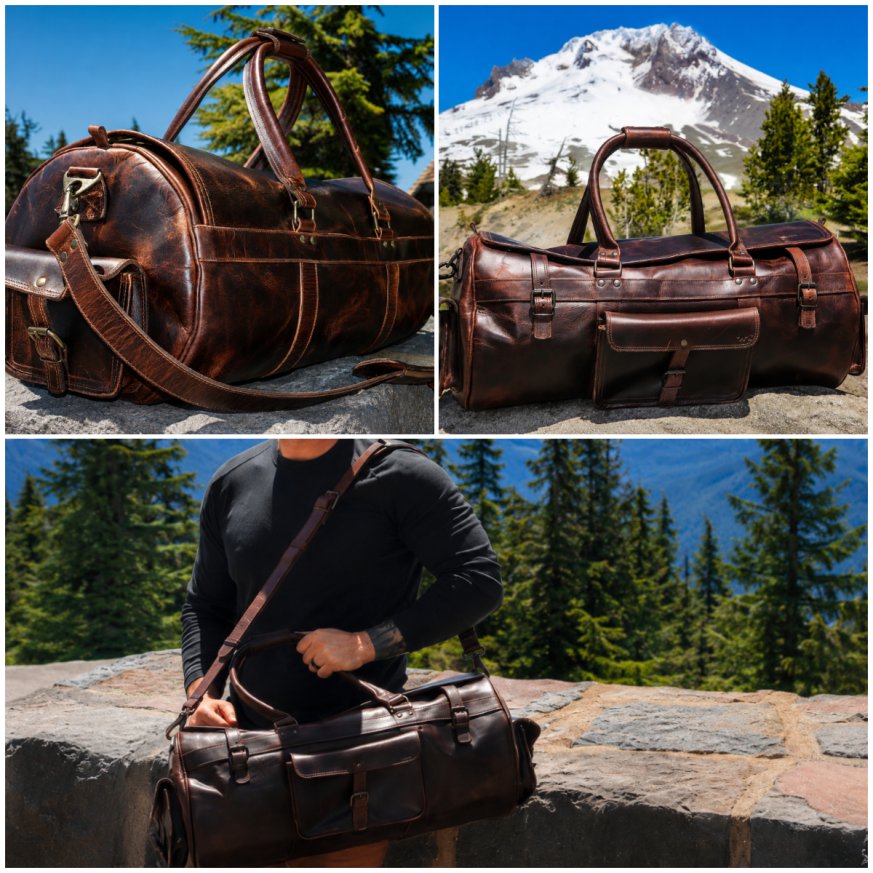
The quality of a handmade piece often begins long before the first stitch or weave is completed.

Time Is One of the Most Valuable Ingredients

Photo by Joel Heard on Unsplash

Mass production is designed to reduce the amount of time required to manufacture each product.

Handmade work follows the opposite philosophy. Each stage, preparing materials, measuring, cutting, assembling, finishing, inspecting, and refining, requires patience that cannot easily be automated.

That investment of time contributes directly to the finished result. Rather than rushing through production, skilled artisans adjust techniques throughout the process to maintain quality standards that machines often struggle to replicate consistently.

The hours invested become part of the value customers ultimately receive.

Handmade Doesn’t Mean Perfectly Identical

One common misconception is that every handmade item should look exactly like every other one.

In reality, subtle differences often demonstrate that skilled hands, not automated equipment, created the finished piece. Small variations in texture, weave, or finish frequently add character while preserving the product’s structural integrity.

The important distinction lies between natural variation and poor workmanship.

A quality handmade product maintains consistent craftsmanship while allowing each individual piece to retain its own unique identity.

Those subtle differences often become part of what makes handcrafted products special.

Durability Is the Best Long-Term Value

Price becomes much easier to understand when viewed over years instead of weeks.

A well-made handmade product frequently lasts considerably longer than a lower-cost alternative, reducing the need for repeated replacements. Strong construction, quality materials, and thoughtful design often produce items that continue performing well even after years of regular use.

Many handcrafted products also develop character with age. Leather softens, woven fibers settle naturally, and certain materials acquire a unique appearance that reflects years of use rather than deterioration.

Longevity often proves to be one of the strongest arguments for investing in craftsmanship.

Handmade Products Tell a Story

Every handmade item represents more than its finished appearance.

Behind each piece are material selections, learned techniques, careful decisions, and countless small adjustments made throughout the production process. Those details rarely appear on a product label, yet they contribute significantly to both quality and value.

Choosing handmade items isn’t simply about purchasing an object. It’s about appreciating the skill, experience, and patience required to create something built with care instead of speed.

Whether crafted from leather, woven fibers, wood, or metal, truly well-made handmade products reward attention to detail. Their value isn’t defined solely by the materials they contain but by the craftsmanship that transforms those materials into something designed to be used, appreciated, and enjoyed for many years.


The Relaxation Upgrades Turning Ordinary Homes Into Personal Retreats

Photo by Alisa Anton on Unsplash 

Many people no longer view their homes simply as places to sleep or store belongings. After years of increasingly busy schedules, digital overstimulation, and work-heavy routines, homeowners are paying much closer attention to how their living spaces feel emotionally at the end of the day. Comfort, quietness, recovery, and lower-stimulation environments are becoming far more important than purely decorative upgrades alone.

This shift has changed the kinds of home improvements people prioritize. Instead of focusing only on visual appearance, many homeowners now invest in features helping them relax more easily after stressful workdays or overloaded schedules. Smaller atmosphere details, recovery-focused spaces, and comfort-oriented routines are gradually turning ordinary homes into environments designed around emotional recovery rather than constant activity.

The most appreciated upgrades are often the ones helping daily life feel calmer and easier to manage consistently.

Softer Lighting Changes the Entire Mood of a Home

One of the first changes many homeowners make when trying to create a more relaxing environment is adjusting lighting. Harsh overhead lighting often keeps spaces feeling overly bright and mentally stimulating even late at night.

Softer lamps, warmer tones, candles, and layered lighting usually help rooms feel calmer almost immediately. Many people notice that lower lighting naturally encourages slower evenings and quieter routines after stressful days.

Lighting often influences emotional comfort much more strongly than people initially realize.

Quiet Recovery Spaces Are Becoming More Common

Another major shift is the growing popularity of dedicated recovery spaces inside the home. Reading rooms, meditation corners, outdoor lounge areas, and lower-stimulation bedrooms are becoming increasingly common because people want spaces where they can mentally disconnect from work and digital noise.

Many homeowners now intentionally separate areas meant for productivity from spaces designed purely around rest and relaxation. This emotional separation often helps people unwind more naturally once the workday ends.

Quietness itself is increasingly viewed as a luxury inside modern homes.

Smaller Comfort Habits Usually Shape the Experience Most

Many relaxation-focused homes are not built around dramatic luxury features. More often, they rely on smaller upgrades that quietly improve everyday comfort. Blankets, lounge chairs, baths, calming music, softer fabrics, and lower-stimulation environments frequently shape how relaxing a space actually feels.

Mentally exhausting schedules and long days filled with constant demands can make quieter evenings feel more important, which is why https://medterracbd.com is sometimes used during nighttime routines focused on slowing down, relaxing, and creating more emotional separation from stressful days.

The most effective comfort habits are usually the ones fitting naturally into daily life without requiring major effort.

Wellness Features Are Becoming Part of Home Design

Homeowners are also integrating more wellness-oriented upgrades directly into living spaces instead of treating relaxation as something separate from everyday life. Recovery-focused bathrooms, spa-inspired showers, calming outdoor spaces, and wellness rooms have all become much more popular in recent years.

Home upgrades connected to heat therapy, recovery, and quieter routines often become especially appealing for people balancing stressful schedules or physically demanding lifestyles. Many homeowners researching long-term relaxation-focused improvements eventually explore options from https://premiumsaunas.com/ while designing home wellness spaces centered around comfort and recovery.

The goal for many people is creating environments where relaxation feels easier to access consistently.

Evening Routines Are Influencing Home Purchases

Photo by JD Chow on Unsplash 

Another reason relaxation upgrades are becoming more popular is that nighttime routines now strongly influence how people design and use their homes overall. Bedrooms, bathrooms, and living rooms increasingly function as recovery environments rather than simply practical spaces.

People often prioritize softer textures, quieter layouts, calming scents, lower lighting, and more comfortable furniture because these details affect how emotionally restorative evenings feel after long workdays.

The atmosphere of a home now matters just as much as its visual appearance for many homeowners.

Outdoor Spaces Are Becoming More Relaxation-Focused

Backyards, patios, balconies, and outdoor seating areas are also changing as homeowners increasingly view outdoor environments as extensions of their recovery spaces.

Fire pits, lounge seating, softer lighting, outdoor saunas, water features, and quieter entertainment areas often help people spend more time outdoors without feeling overstimulated.

The emotional experience of being home now extends beyond the walls of the house itself.

Minimalism Often Feels More Peaceful

Another noticeable trend is that many homeowners are simplifying spaces intentionally because excessive clutter and visual overstimulation often create mental fatigue over time.

Cleaner layouts, softer color palettes, organized rooms, and more intentional furniture choices frequently help homes feel calmer and emotionally lighter overall.

People generally relax more easily in spaces where visual distractions feel reduced instead of constant.

Stress Is Changing What People Value at Home

Modern schedules often leave people mentally overloaded before they even arrive home. Work communication, screens, commuting, social media, and nonstop responsibilities frequently create emotional exhaustion throughout the day.

This is one reason many consumers now prioritize recovery-focused home upgrades much more seriously than before. Relaxation no longer feels like an occasional luxury for many people. Instead, it feels necessary for maintaining emotional balance long term.

According to the Architectural Digest, wellness-centered interiors, calming home environments, and comfort-focused design continue influencing how modern living spaces are being planned and renovated.

Homes Are Becoming Places for Recovery Again

The relaxation upgrades turning ordinary homes into personal retreats are usually the ones helping people slow down mentally after overstimulating days filled with noise, stress, and constant activity.

Softer lighting, quieter environments, wellness spaces, outdoor comfort, and smaller recovery-focused habits all contribute to creating homes that feel emotionally restorative instead of emotionally draining.

As modern life continues becoming faster and more digitally overwhelming, many homeowners are discovering that comfort, calmness, and emotional recovery may now be some of the most valuable upgrades a home can provide.


7 Reasons PH Bingo Games on GameZone Are Worth Trying

If you think bingo is just about matching numbers and waiting for a lucky call, it’s time to think again.

Today’s PH Bingo Games on GameZone have transformed the traditional bingo experience into something far more exciting, colorful, and interactive. What was once a simple pastime has evolved into a modern online entertainment experience packed with engaging gameplay, vibrant visuals, surprising twists, and nonstop fun.

Whether you’re a seasoned bingo enthusiast or someone completely new to online gaming, GameZone offers a refreshing take on PH Bingo Games that keeps players coming back for more. Every session feels lively, every game feels unique, and every round brings new possibilities.

Here are seven exciting reasons why PH Bingo Games on GameZone continue to attract players looking for fun, convenience, and entertainment all in one place.

1. PH Bingo Games Are Incredibly Easy to Play

One of the biggest reasons PH Bingo Games remain popular is their simplicity.

Unlike some online games that require extensive tutorials, complicated controls, or advanced strategies, bingo is straightforward and beginner-friendly. Players can quickly understand the mechanics and start enjoying the action almost immediately.

GameZone makes the experience even smoother by providing an intuitive platform where everything feels accessible and easy to navigate. You don’t need hours of practice to understand what’s happening.

This simplicity allows players to focus on what matters most—having fun.

Whether you’re playing during a lunch break, relaxing after work, or simply looking for a quick entertainment session, PH Bingo Games offer instant enjoyment without the stress of learning complicated systems.

2. Every Session Brings New Surprises

One thing players quickly notice about PH Bingo Games on GameZone is that no two sessions feel the same.

Traditional bingo can sometimes feel repetitive, but GameZone adds exciting features, different game styles, and engaging gameplay elements that keep things fresh. Every game comes with its own pace, atmosphere, and surprises.

Some rounds move quickly and create nonstop excitement. Others build suspense as players wait for that one final number to complete a winning pattern.

This constant variety creates anticipation and makes every login feel like a new adventure.

You never quite know what exciting moment could be waiting in the next game.

3. Colorful Visuals Make the Experience More Fun

Let’s be honest—a great presentation makes a huge difference.

PH Bingo Games on GameZone are designed with bright colors, smooth animations, engaging effects, and eye-catching visuals that instantly grab attention. The platform feels energetic and entertaining from the moment a game begins.

Instead of simply staring at a basic bingo card, players are treated to a visually immersive experience that feels lively and interactive.

The colorful atmosphere helps create excitement and keeps players engaged throughout every session.

When gameplay looks this good, it naturally becomes even more enjoyable.

4. Perfect for Both New and Experienced Players

Not every online game manages to appeal to different skill levels, but PH Bingo Games do exactly that.

New players appreciate how easy it is to jump into the action. There are no complicated strategies required, and the gameplay feels welcoming right from the start.

At the same time, experienced players enjoy the excitement, anticipation, and variety that each game offers. The combination of familiar bingo mechanics and modern features keeps the experience entertaining no matter how often you play.

GameZone creates an environment where everyone can have fun regardless of experience.

That balance is one of the reasons why PH Bingo Games continue to attract such a wide audience.

5. Play Anytime and Anywhere

Modern players value convenience, and GameZone delivers exactly that.

Gone are the days when you needed to visit a physical bingo hall or wait for a special event to enjoy your favorite games. With PH Bingo Games online, entertainment is available whenever you want it.

Whether you’re at home, commuting, taking a short break, or simply relaxing with your phone, you can access the action in just a few clicks.

The flexibility of mobile gaming means you control when and where you play.

This convenience makes PH Bingo Games an ideal choice for players who want fun that fits easily into their daily routine.

6. The Community Makes It More Exciting

Part of what has always made bingo enjoyable is the sense of shared excitement.

Even in an online environment, PH Bingo Games on GameZone maintain that social atmosphere. Players enjoy participating in games alongside others, celebrating wins, and experiencing the suspense together.

There’s something special about watching numbers appear while knowing that everyone is hoping for the same lucky outcome.

The community aspect adds an extra layer of entertainment that goes beyond simply playing the game.

Many players return because they enjoy both the gameplay and the feeling of being part of a larger group of bingo enthusiasts.

That shared excitement creates memorable moments and makes every session feel more engaging.

7. GameZone Continues to Keep Things Fresh

One of the strongest reasons to try PH Bingo Games on GameZone is the platform’s commitment to innovation.

Rather than relying solely on traditional bingo formats, GameZone continuously introduces exciting features, creative game variations, and fresh experiences that keep players interested.

This dedication to variety helps prevent gameplay from becoming repetitive.

Players always have something new to explore, whether it’s a different game style, a unique feature, or an exciting surprise waiting around the corner.

The result is a gaming experience that feels modern, entertaining, and rewarding every time you play.

For players who enjoy discovering fresh content, GameZone provides plenty of reasons to keep coming back.

Final Thoughts

PH Bingo Games on GameZone successfully combine the timeless appeal of bingo with the excitement of modern online entertainment.

From beginner-friendly gameplay and colorful visuals to convenient access and an engaging community, there are plenty of reasons why players continue to enjoy these games.

The platform offers something for everyone, whether you’re looking for quick casual fun or longer gaming sessions packed with anticipation and surprises.

Most importantly, PH Bingo Games prove that simple games can still deliver big excitement when combined with creativity, variety, and modern features.

If you’re searching for an entertaining online gaming experience that’s easy to enjoy yet full of excitement, PH Bingo Games on GameZone are definitely worth exploring.

FAQs

  1. What are PH Bingo Games?

PH Bingo Games are online bingo-style games that combine traditional bingo mechanics with modern features, interactive gameplay, and exciting entertainment.

  1. Why are PH Bingo Games so popular?

They are easy to learn, fun to play, beginner-friendly, and offer exciting gameplay without requiring complicated strategies.

  1. Can beginners enjoy PH Bingo Games?

Absolutely. PH Bingo Games are designed to be simple, accessible, and enjoyable for players of all experience levels.


Beyond the Suit: How the Right Watch and Leather Finish a Formal Look

Photo by Hardini Lestari on Unsplash

A well-tailored suit often receives most of the attention when preparing for a formal event, but it is rarely the only element people notice. The details surrounding the outfit frequently determine whether the overall appearance feels complete or unfinished.

A thoughtfully chosen watch, polished leather shoes, a coordinated belt, and subtle accessories all contribute to a balanced look without competing for attention. Rather than standing out individually, these pieces work together to create a sense of refinement that feels intentional.

Building that balance is less about following fashion trends and more about understanding how every element supports the overall presentation.

Formalwear Starts With the Right Foundation

Choosing a suit appropriate for the occasion remains the first step toward a polished appearance. Different events call for different levels of formality, and selecting clothing that matches the setting demonstrates respect for both the occasion and the people attending.

Color, tailoring, fabric, and fit all influence the final result far more than decorative details. Once those decisions have been made, accessories become much easier to coordinate because they complement an already well-balanced outfit.

People preparing for church services, weddings, holiday celebrations, or other formal gatherings often explore Designer Church Suits while comparing styles that fit the tone of the occasion. Starting with clothing that fits properly allows every additional accessory to work more naturally within the complete outfit.

A Watch Should Complement Rather Than Compete

One of the easiest ways to elevate formal attire is by choosing a watch that reflects the same level of refinement as the rest of the outfit. Instead of becoming the focal point, a well-selected timepiece quietly reinforces the overall style.

Case size, dial color, strap material, and metal finish all influence how naturally a watch fits with formal clothing. Leather straps often pair well with traditional tailoring, while metal bracelets can create a more contemporary appearance when coordinated carefully with other accessories.

Building a versatile wardrobe often involves comparing accessories that can transition between casual and formal settings. While exploring different styles, some shoppers include Diesel Watches online among the options they review, considering how various designs complement different occasions and personal preferences.

A thoughtfully selected watch adds character without distracting from the overall look.

Leather Accessories Should Work Together

Photo by Laurenz Heymann on Unsplash

Shoes, belts, watch straps, and briefcases often receive less attention than the suit itself, yet they have a significant influence on the finished appearance.

Matching leather tones creates visual consistency throughout the outfit. Black leather generally suits more formal occasions, while shades of brown provide flexibility for daytime events and less formal gatherings. Paying attention to the finish, whether polished, matte, or textured, also helps create a more coordinated look.

These details may appear subtle individually, but together they contribute to an outfit that feels carefully considered.

Simplicity Often Creates the Strongest Impression

Formal dressing does not require wearing every possible accessory. In many cases, restraint produces a more elegant result than adding unnecessary details.

A quality watch, polished shoes, a well-chosen belt, and understated cufflinks often provide everything needed to complete a sophisticated outfit. Adding too many statement pieces can draw attention away from the overall balance and make the appearance feel less refined.

Choosing fewer accessories with greater intention usually creates a stronger impression than trying to showcase every item at once.

Confidence Comes From Preparation

Looking polished begins long before leaving home. Pressing clothing, polishing shoes, checking that accessories coordinate, and ensuring everything fits comfortably all contribute to greater confidence during the event itself.

When every element has been prepared in advance, attention naturally shifts away from worrying about appearance and toward enjoying the occasion.

The most memorable formal looks are rarely built around one standout piece. Instead, they come from thoughtful coordination, where clothing, accessories, and finishing details work together to create an appearance that feels complete, timeless, and appropriate for the moment.

Important Factors That Affect Comfort In Kids’ Everyday Footwear

Comfort plays an important role in children’s daily routines. Appropriate footwear helps support school activities, casual outings, and active play throughout the day. A comfortable fit can also help children stay focused and enjoy everyday movement.

Parents usually consider several features before selecting everyday shoes for children. Footwear brands like Asics Gel-1130 offer a practical design example for casual use, school days, and active routines. Cushioning, breathable materials, secure closures, and flexible soles all help support comfort during long hours of wear.

Soft Cushioning Supports Daily Movement

Cushioning helps absorb impact during walking and normal daily activities. A comfortable underfoot feel can reduce pressure during long hours of wear. Balanced cushioning also helps create smoother movement throughout the day.

Children spend time at school, playgrounds, and family events each week. Supportive midsoles help provide lasting comfort across different activities. Consistent cushioning contributes to a pleasant experience from morning until evening.

Breathable Materials Help Maintain Comfort

Breathable materials help improve airflow around the feet during everyday use. Proper ventilation can help children feel fresh throughout busy schedules. Lightweight fabrics also contribute to a more comfortable overall fit.

Comfortable footwear benefits from materials that allow heat to escape naturally. Breathable construction helps reduce the heavy feeling associated with less ventilated shoes. These design details support comfort during indoor and outdoor activities.

Mesh Uppers Encourage Better Airflow

Mesh uppers are common in everyday athletic-inspired footwear because they allow steady air movement around the foot. These materials help create a lighter feel during school days, outdoor play, and casual family routines. Flexible mesh panels also support comfort by reducing stiffness across the top of the shoe.

Lightweight Construction Reduces Foot Fatigue

Lightweight footwear allows children to move comfortably without feeling weighed down during regular activities. Reduced shoe weight helps create a more natural walking experience across classrooms, playgrounds, and sidewalks. A lighter design also supports extended wear by helping children stay comfortable through longer daily routines.

Flexible Designs Allow Natural Motion

Flexible shoes allow feet to bend naturally with each step. Natural movement helps improve comfort during walking and everyday activities. Flexible construction also helps reduce feelings of restriction.

Children regularly participate in classroom activities, recess, and casual play. Footwear with flexible features supports these everyday movements comfortably. Proper flexibility contributes to a better overall wearing experience.

Secure Fit Helps Prevent Discomfort

A secure fit helps keep the foot properly positioned inside the shoe. Reduced movement within the footwear helps improve comfort during daily use. Stable support can also help children feel comfortable throughout active routines.

Several design details contribute to a secure and comfortable fit. These features help support daily comfort for growing children. Important examples include the following:

  • Padded collars that feel gentle around the ankle
  • Secure lace systems that help maintain stability
  • Structured heel areas that support foot placement
  • Comfortable tongue designs that reduce pressure points

Proper fit also supports confidence during school and recreational activities. Children benefit from footwear that feels secure without unnecessary tightness. A balanced fit contributes to lasting everyday comfort.

Durable Outsoles Support Everyday Use

Outsole construction affects how shoes perform during regular wear. Durable materials help maintain consistent support across different surfaces. Reliable traction also contributes to comfort during everyday activities.

Children use everyday footwear in classrooms, parks, and community spaces. Strong outsole materials help preserve the overall structure of the shoe. Consistent support helps maintain comfort over time.

Traction Improves Stability

Traction patterns help improve grip on common surfaces such as school floors, sidewalks, and playground areas. Stable footing supports a more comfortable movement experience during daily walking and light activity. Reliable grip also helps children feel steady during quick turns and routine play.

Long-Lasting Materials Maintain Performance

Durable materials help footwear retain its shape after repeated school days, outdoor play, and casual wear. Consistent structure supports reliable comfort because the shoe keeps its intended fit over time. Strong construction also helps the outsole, upper, and cushioning handle regular daily use.

Padding Around Key Areas Enhances Comfort

Soft padding around the heel and ankle helps improve overall comfort. Cushioned interior areas help create a gentle and supportive fit. These details can make extended wear feel more comfortable.

Parents frequently pay attention to comfort around high-contact areas of the foot. Footwear collections such as Asics Gel-1130 demonstrate how thoughtful padding can support everyday wear. Proper cushioning around key areas contributes to a more comfortable experience.

Balanced Support Creates A Better Experience

Comfort depends on several features working together within the same shoe. Proper support helps children feel comfortable during normal daily routines. Stable construction also contributes to a dependable walking experience.

Everyday footwear benefits from a combination of cushioning, flexibility, breathability, and durability. These features help support comfort during school, play, and family activities. Paying attention to these important factors can help create a better experience throughout the day.
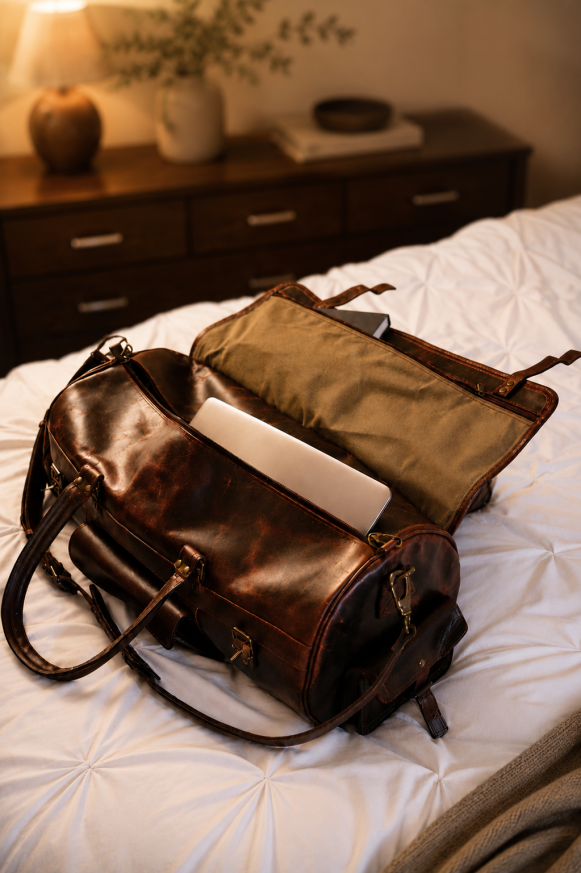
Check Footwear Support For Growing Feet

Professional footwear guidance helps parents choose shoes that support children’s changing needs. Specialists evaluate fit, cushioning, flexibility, and overall support to help improve everyday comfort. Proper shoe selection can also help maintain consistent support as children grow.

Comfortable footwear plays an important role in school days, playtime, and regular family routines. A thoughtful choice can support natural movement, steady comfort, and reliable wear over time. Paying attention to fit and support helps children feel more comfortable through each stage of growth.

Buffalo Jackson Roosevelt Buffalo Leather Travel Duffle Bag Review

Sometimes it’s hard to justify adding another duffle bag to your collection when your closet is already housing a few generic nylon carry-alls. However, a proper full-grain leather travel bag offers a level of sophistication and rugged durability that synthetic fabrics just can’t replicate. The Buffalo Jackson Roosevelt Large Leather Travel Duffle is a serious contender for anyone looking to upgrade their travel game. In this review, we’ll break down how this expansive duffle can comfortably manage a week-long road trip while turning heads at every stop.

Construction 

Buffalo Jackson has a knack for distilling the very essence of heritage adventure and imbuing it into their dry goods. The Roosevelt Duffle is constructed from thick, substantial full-grain water buffalo hide, measuring between 1.8 mm to 2.0 mm in thickness. Water buffalo leather is known for its distinct, pronounced grain pattern and incredible tensile strength, giving this piece a highly textured, rugged feel right out of the box.

The interior is lined with a classic green canvas that contrasts beautifully against the Dark Oak leather. For hardware, they’ve paired genuine brass and iron buckles and clips with heavy-duty YKK zippers. Because of the sheer amount of leather and robust metal components, this is a hefty bag, weighing in at 6 pounds, 9 ounces. It measures 24″ L x 11″ W x 11″ H, providing an expansive footprint built for the long haul.

Function 

If you are ready to pack for more than just a quick overnight stay, the Roosevelt is built to accommodate. At 24 inches long, this bag easily transitions from weekend duty to week-long adventures. I found the interior capacity incredibly spacious—you can pack multiple changes of clothes, heavy boots, and a sizeable dopp kit without needing to force the main zipper shut.

Organizationally, the bag features three prominent exterior buckled pockets that are perfect for keeping smaller items like phone chargers, passports, or keys accessible without digging through the main compartment. The main opening is secured by a sturdy YKK zipper, which is then covered by an overlapping top leather flap with dual strap-and-buckle closures for added weather protection and security.

Carrying a fully loaded 6-plus-pound bag can be a chore, but the adjustable leather shoulder strap (extending from 49 to 61 inches) features a wide, padded section that does a commendable job distributing the weight on your shoulder. Even so, you never really want to be far from your destination when walking. The thick, wrapped top carry handles also feel great in the hand when you’re quickly grabbing it out of a trunk.

Aesthetic 

One of my favorite things about Buffalo Jackson’s gear is that it feels like you’re taking a little piece of the outdoors with you wherever you go. The rich, dark earthy tones of the Dark Oak finish give off a deeply adventurous vibe that looks right at home in the back of a vintage truck or an upscale cabin retreat.

The pull-up characteristics of the full-grain buffalo leather mean that as the bag gets scuffed, creased, and broken in, the lighter tones underneath will surface, creating a beautiful unique patina over time. It might be a bit too rustic and rough-hewn to pair with a formal suit and tie corporate trip, but for road trippers, weekend explorers, and outdoor enthusiasts, it strikes a flawless balance between heritage style and raw utility. Be prepared for plenty of compliments from envious onlookers at baggage claim, seriously, it’s almost ridiculous.
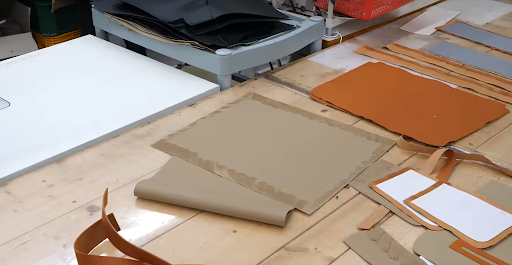
Conclusion 

With all the pedigrees of a heritage piece, the Buffalo Jackson Roosevelt Buffalo Leather Travel Duffle Bag delivers exceptional style, heavy-duty materials, and immense storage. At $399.95, it sits in a competitive price bracket with other premium leather makers, but few manage to capture that timeless, historic allure quite like this one. If you can handle the empty carry weight, you’re rewarded with a bombproof, heirloom-quality travel companion that you will easily pass down to your kids. 

Inside the Workshop: A Tote Bag Manufacturer’s Quality-Control Checklist

Most people only meet a tote bag at the finish line—photographed for a catalog, wrapped in tissue, resting on a shelf. What they never see is the long series of checks and quiet rejections that happen before a bag is allowed to leave the workshop.

At Bene Bags, we’ve learned that a well-made leather tote doesn’t come from one final inspection at the end. It comes from refusing to pass small defects at every stage of production. Here is the checklist that runs behind the scenes, from raw hide to finished bag. (The same principles apply to fabric totes, but leather is where the stakes—and the craftsmanship—are highest.)

  1. Hide Inspection: Saying No Before You Begin

Quality control starts before the first panel is cut. When a hide arrives, our cutters lay it flat under strong, even light and read it carefully—looking for scars, loose grain, stretch zones, and inconsistent thickness.

The goal isn’t to find a flawless hide; in full-grain leather, those barely exist, and natural marks are part of the material’s honesty. The real job is deciding where each panel can come from. High-stress areas—the base, handle anchors, corners, and side gussets—must be cut from the tight, dense fibers along the back and spine. Softer sections near the belly can serve low-stress panels. Any hide that can’t yield enough sound panels is rejected outright, and this single decision prevents more failures than any other step.

  1. Cutting and Grain Direction

Once a hide is approved, the next checkpoint is the cut. Leather has more give in one direction than another. If a handle or large panel is cut along the wrong axis, it will stretch, twist, or lose shape within months.

We also gauge thickness at multiple points, because a hide is never perfectly uniform. Panels destined for the same bag are matched so the body, base, and straps feel like they belong together. Mismatched thickness is one of the most common reasons a bag looks fine but feels wrong in the hand.

  1. Skiving and Edge Preparation

Before assembly, edges where panels overlap or fold are skived—shaved thinner—so seams don’t become bulky or stiff. It’s a narrow margin: left too thick, the seam looks heavy; skived too thin, the fold turns weak and prone to tearing. Every skive is checked for an even taper and a clean transition between layers. This is a pass/fail moment, not a “good enough” one.

  1. Stitching: Counting What Most People Ignore

Stitching is one of the clearest signs of quality, and it’s where shortcuts hide best. Three things get checked on every bag:

  • Stitch length: Too few stitches and the seam is weak; too many and you perforate the leather like a stamp, inviting tears. We hold a consistent count suited to the leather’s weight.
  • Thread tension: Loose stitches snag and unravel; over-tight stitches cut into the leather and cause puckering. The lockstitch should sit balanced inside the material.
  • Reinforcement at stress points: Handle bases, side seams, and bottom corners are backstitched, bartacked, or riveted. A bag may look beautiful, but if the stitching fails at the handle, the product fails.
  1. Handle Anchor Load Testing

This is the checkpoint that separates a tote lasting a decade from one failing in a year. The handles carry every pound you ever put in the bag, and the joint between handle and body is the most punished point in the entire design.

We physically load-test handle anchors, applying tension beyond normal daily use, watching for slipping, stitch strain, leather stretching, or rivet movement. Where appropriate, anchors are reinforced with rivets in addition to stitching—not because stitching is weak, but because redundancy is what “buy it for life” actually requires. A bag that fails at the handle has failed completely, no matter how lovely the rest of it is.

  1. Hardware and Interior Checks

Zippers, snaps, rivets, and rings are tested for action and finish. A shiny coating doesn’t guarantee strength, so we cycle zippers open and closed, confirm snaps close with confidence, and check that hardware is solid rather than plated pot-metal—usually the first thing to fail on an otherwise sound bag.

The inside matters too. The lining should sit flat without bubbling, glue residue, or unfinished seams, and internal pockets and corners should be clean and secure.

  1. Final Inspection and Packing

Only now do we look at the bag the way you will. Is it symmetrical? Do the handles sit at equal heights? Are the edges burnished evenly? Any loose thread, uneven edge, or glue mark sends the bag back rather than forward.

Packing is the last stage of quality control, not an afterthought. A leather bag may need shape protection, a dust bag, and moisture control so it arrives without pressure marks—because poor packing can ruin an otherwise flawless product.

Why the Checklist Matters

None of these steps are glamorous, and that’s exactly the point. A quality tote isn’t one heroic moment of craftsmanship; it’s the result of seven stations, each willing to reject a flaw.

So if you’re ever evaluating a bag—or the workshop behind it—the best question isn’t “What’s the price?” It’s “How is quality controlled before it ships?” The answer reveals far more than any catalog photo. It’s the standard we hold ourselves to at Bene Bags, one rejected hide and one reinforced stitch at a time, because a well-made tote should outlast the trend that sold it.

How to Choose a Leather Duffle Bag That Actually Lasts (A Practical Guide)

There’s a particular kind of regret that comes from buying the wrong travel bag. You notice it the first time a seam starts to pull at the airport, or when the “leather” trim peels after a single rainy weekend. A good leather duffle bag should do the opposite — it should look better in five years than it did the day you bought it.

The trouble is that the words used to sell these bags (“premium,” “genuine,” “handcrafted”) have been worn smooth from overuse. They tell you almost nothing. So this guide skips the marketing language and walks through what actually determines whether a leather duffle is worth your money: the leather itself, the construction, the proportions, and how it carries when it’s full.

Whether you’re shopping for a weekender, a gym bag, or a carry-on you’ll use for years, the criteria below will help you judge any bag on its merits.

First, understand what you’re buying: leather grades

Most disappointment with leather bags traces back to one thing — not understanding the material. “Leather” is a spectrum, and the differences are worth knowing before you spend a cent.

Full-grain leather is the top layer of the hide with its natural grain left intact. It’s the most durable option, it resists wear, and it develops a patina — that deepening, slightly glossy character that makes older leather look richer than new. It’s also the most expensive, and it’s what you want if longevity is the priority.
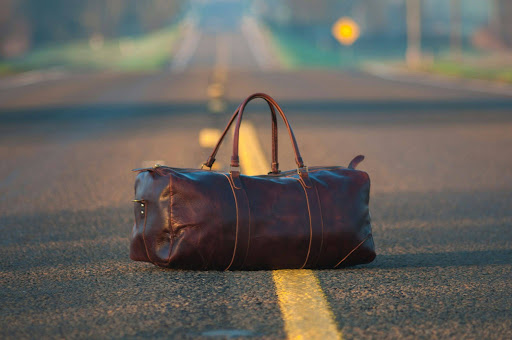
Top-grain leather has had the very top surface lightly sanded and finished. It’s a touch more uniform and slightly more affordable, and it still holds up well over years of use. Many excellent travel bags use top-grain leather, so don’t treat it as a downgrade — treat it as a sensible middle ground.

“Genuine leather” is where people get caught out. Despite how it sounds, it’s a low-to-mid grade made from the layers beneath the surface, often bonded or heavily coated. It’s real leather in the technical sense, but it won’t age the way full- or top-grain does. If a bag’s only material claim is “genuine leather,” ask more questions.

Crazy horse leather deserves a mention because it’s increasingly popular for duffles. It’s a full-grain leather treated with a wax finish that gives it a rugged, vintage look — and it’s designed to scratch and mark, with those marks blending back in over time. If you want a bag that looks lived-in and forgiving, it’s a great choice.

The practical takeaway: prioritize full-grain or quality top-grain, and be skeptical of any bag that leans on the word “genuine” as its main selling point.

Match the capacity to how you actually travel

The second most common mistake is buying the wrong size — usually too big. A cavernous duffle feels reassuring in the store and becomes a burden at the gate.

Think in terms of nights, not liters:

  • Overnight to two nights: A compact duffle (roughly 30–40L) is plenty. It’ll hold a change of clothes, a dopp kit, and a pair of shoes without encouraging you to overpack.
  • Long weekend (three to four nights): This is the sweet spot for most travelers — a mid-size weekender that still fits in an overhead bin. Look for something carry-on friendly so you can skip baggage claim entirely.
  • Extended trips or family hauls: A larger duffle makes sense, but consider whether a wheeled option might save your shoulder. Rolling leather duffles exist precisely for people who want the format without carrying the full weight across a terminal.

A small detail that punches above its weight: a dedicated shoe compartment. It keeps the soles of your shoes away from your folded shirts, and once you’ve traveled with one you won’t want to go back. Several of the better weekender designs now build this in as standard.

Judge the construction, not the photos

Product photography is engineered to flatter. Here’s what to actually scrutinize before you buy.

Stitching. Look for tight, even stitches, ideally double-stitched at stress points — the handle bases, the strap anchors, the base corners. Loose or uneven stitching is the first thing to fail.

Hardware. Zippers and clasps take more abuse than the leather itself. Solid metal zippers (YKK is a reliable name) and substantial buckles outlast cheap alloy fittings. If a bag’s zipper feels flimsy in your hand, the bag will disappoint you in a year.

The base. A duffle spends its life being set down on dirty floors. A reinforced base — ideally with protective feet — keeps the bottom from wearing through and stops moisture from wicking up into your clothes.

The lining. Don’t ignore the inside. A durable lining and clean interior seams signal a maker that cared about the parts you don’t photograph.

This is the same discipline that separates a good men’s leather briefcase from a disposable one, by the way — the construction details that don’t show up in a thumbnail are exactly the ones that determine how long you’ll own the thing.

Carry comfort: the part people forget until it’s too late

A duffle that’s comfortable empty can be miserable full. Before you commit, picture it loaded with three days of clothes.

  • Padded, adjustable shoulder strap. A removable strap with a shoulder pad lets you redistribute weight off your hand and forearm. For anything you’ll carry through an airport, this is non-negotiable.
  • Balanced handles. Reinforced top handles that meet cleanly in the center make the bag easier to grab and carry short distances.
  • Weight, honestly assessed. Leather is heavier than nylon — that’s the trade-off for durability and looks. A well-designed leather duffle manages this with proportion and balance, but go in knowing it’ll never be featherlight.

A quick word on care (because it determines lifespan)

The bag you choose matters, but so does what you do after. Leather duffles are low-maintenance, not no-maintenance:

  • Store it in a dry place, ideally stuffed lightly to hold its shape.
  • Wipe it with a soft, dry cloth after trips.
  • Condition it occasionally — a couple of times a year is enough for most bags — to keep the leather supple and prevent cracking.
  • Keep it out of prolonged rain and never force-dry wet leather with heat.

Done consistently, this is the difference between a bag that lasts three years and one that lasts fifteen.

Where to start looking

Once you know what to look for, the shopping gets easier. You’re no longer swayed by hero shots and buzzwords; you’re checking grade, capacity, stitching, hardware, and carry comfort against a real checklist.

If you want a sense of what a focused, travel-oriented range looks like, Hartley’s men’s leather duffle bags collection is a useful reference point. The lineup is built around real travel patterns rather than novelty — a vintage-style weekender with a shoe compartment, a large-capacity weekend bag, a full-open garment duffle for those who travel with a suit, and a wheeled version for longer hauls. It’s a practical illustration of the principles in this guide: capacity matched to trip length, leather chosen for durability, and details like shoe compartments and reinforced handles that earn their place.

Whatever you choose, the goal is the same — a bag you buy once, carry often, and watch get better with age.

Frequently asked questions

Is a leather duffle bag good for air travel? Yes. Many leather duffles are sized to meet carry-on requirements and their soft structure fits overhead bins easily. For longer trips, a wheeled leather duffle offers the same format without the shoulder load.

Full-grain or top-grain for a duffle? Full-grain is the most durable and ages best, making it ideal if you want a lifetime bag. Top-grain is a sensible, slightly more affordable middle ground that still holds up well to regular travel.

How big should a weekender duffle be? For most people, a mid-size duffle that fits a long weekend’s clothing and stays carry-on friendly is the sweet spot. Go compact for overnight trips; size up only if you genuinely travel for four-plus days.

How do I keep a leather duffle looking good? Store it dry, wipe it down after trips, condition it a couple of times a year, and keep it out of heavy rain. Minimal effort, long payoff.