
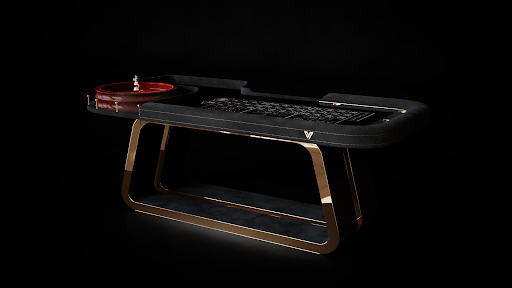
Walk up to a roulette table and your hands don’t go to the wheel first. They go to the rail. That padded, slightly squishy edge runs along the player side of the table, and most people lean on it without thinking about it once.
But the rail does more work than it gets credit for. It decides how close players stand, keeps elbows off the felt, gives tired forearms a place to rest, and quietly takes a beating night after night. Table builders and casino floor staff tend to have strong opinions about it, and those opinions shape what it’s made of and how long it lasts.
Online games skip the padding entirely, of course. Players who try the Bitcoin roulette tables at BetFury see the same green layout on a screen, with every number sitting where a croupier would expect it in a land-based room. The leather part of the story only happens at a physical table, though, so that’s where this one goes.
What the Rail Actually Does at a Roulette Table
A Built-In Boundary
The rail marks where the player’s space ends. Reach past it while the ball is still spinning and the dealer will probably give you a look.
Comfort During Slow Games
Roulette isn’t a fast game. Bets go down, the dealer waves them off, the ball circles for several seconds, and then winning bets get paid one by one (which can take a while on a crowded table). So a single spin can easily stretch past a minute. Multiply that by an evening and players spend a lot of time standing or sitting with their arms forward. A hard edge would dig into wrists and forearms within the first hour. A padded rail spreads that pressure out, and that’s a big reason people stay at the table longer.
Less Noise, Fewer Bounces
Chips are loud. Drop a stack on a bare wooden edge and it clacks, slides, and sometimes rolls onto the floor. Soft padding absorbs most of that, which keeps the table calmer and saves the dealer from chasing runaway chips.
How the Roulette Layout Shapes the Rail
The betting layout is a long rectangle. The numbers 1 through 36 sit in three columns of twelve, with the zero (and on American tables, a double zero) at the top near the wheel. A European wheel has 37 pockets. An American one has 38. That small difference barely changes the table’s size, but the overall long, narrow shape means players line up along one side and the ends, all facing the numbers.
The rail follows that shape. It usually runs along the long player side and wraps around the far end, while the wheel end stays open for the dealer. Some tables add a groove or a narrow tray just inside the rail, so players can park their chips without stacking them on the felt.
Here’s a small detail regulars pick up fast. Roulette uses special “wheel chips,” and each player at the table gets their own color, so the dealer can tell whose bet is whose on a busy layout. Those colored chips have no value anywhere else in the building and get swapped back for regular chips before a player leaves. Players tend to keep their stack resting right against the rail, which is one more reason the padding sits exactly where it does.
Armrest Materials: Leather, Vinyl, and the Foam Underneath
People call it a “leather rail,” and sometimes it really is leather. Plenty of times it isn’t. A lot of tables seem to use heavy commercial vinyl or faux leather instead, because it’s cheaper, easier to wipe down, and handles spilled drinks without staining. Real leather feels softer and ages with character, but it needs more care.
Under the cover sits the part nobody sees. Here’s roughly what goes into a typical padded rail, from the outside in:
- A top cover of genuine leather or vinyl, often in black, brown, or a deep red
- A layer of firm foam that keeps its shape after years of leaning
- Sometimes a thin softer layer on top of that, so the surface feels plush rather than stiff
- A wooden or composite base that bolts to the table frame
The stitching matters more than you’d think. A rail with a clean, tight seam along the top edge holds up better, because loose threads give dirt and moisture an easy way in. And the foam choice is a balancing act. Too soft and it flattens into a sad, lumpy strip within a year. Too firm and you might as well be leaning on a board.
Color is mostly a style call. Dark rails hide wear and grime better, which probably explains why so many casinos pick black or chocolate brown.
Why the Rail Wears Out (and Where It Goes First)
Think about an old car’s steering wheel. The leather goes shiny and smooth right where the hands sit, while the bottom stays almost new. A roulette rail ages the same way. It doesn’t wear evenly. It wears where people actually lean.
Anyone who has played the same table over a few weeks starts noticing the pattern. The spots in front of the most popular seats get worn first, usually the ones with the best view of the wheel and easy reach to the numbers players love to bet on. Those patches turn glossy, then thin, and eventually the cover cracks or splits along the seam.
A few everyday things speed that up:
- Watches, rings, and bracelets that scrape the same spot again and again
- Belt buckles and jacket zippers from people standing close and pressing in
- Spilled drinks, especially sugary ones that leave a sticky film
- Hand sanitizer and lotion, which seem to dry out or soften the surface over time, depending on the material
Vinyl and leather fail in different ways, too. Vinyl tends to crack and peel once its top layer wears through. Leather is more likely to dry out, fade, and lose its shape, though regular conditioning can slow that down a lot.
Repair or Replace?
Most of the time the cover gets reupholstered rather than the whole rail being thrown out. The base and frame are usually fine for years. And the felt layout probably gets replaced more often than the rail, since it picks up stains, burns from the old smoking days, and faded patches where chips slide the most.
Why Not Just Use Wood or Hard Plastic?
Fair question, right? Wood is pretty, lasts forever, and doesn’t crack the way vinyl does.
Some decorative and antique tables do use bare polished wood, and they look great in photos. Leaning on one for two hours is another story. Hard edges press on the same narrow strip of your forearm, and chips bounce right off them. Plastic is even worse, since it scratches easily and can feel cheap under the hand.
So padding wins. Not because it looks fancy, but because it’s the one material that keeps players comfortable, keeps chips quiet, and can be swapped out when it gets tired. That trade-off seems to have held up for a long time. The Monte Carlo Casino opened back in 1863, and the basic idea of a cushioned edge you can rest on hasn’t really changed since the classic table took shape.
Next time you’re at a live table, look at the rail before you look at the wheel. The worn, shiny patches will tell you exactly where the regulars like to stand.