
A real leather wallet is more than just an everyday accessory – it is an investment that can serve you for many years when properly made and cared for. While some leather wallets last only a few years, high-quality models can remain functional for a decade or longer. Their lifespan depends not only on the type of leather but also on craftsmanship, daily use, and regular maintenance.
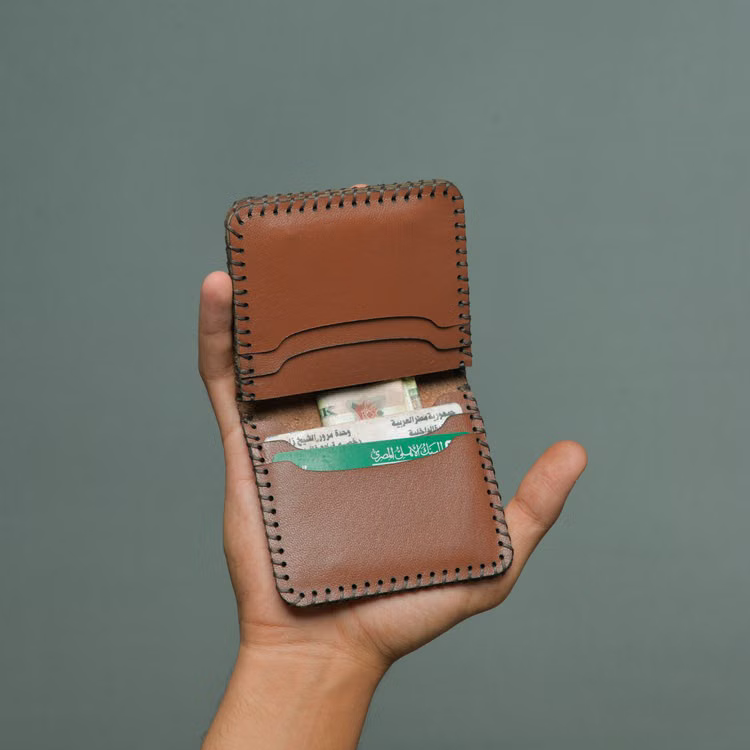
How Long Does a Leather Wallet Typically Last?
The lifespan of a leather wallet varies depending on the quality of the leather, construction, and everyday habits.
| Leather Type | Relative Durability | Characteristics |
|---|---|---|
| Full-grain leather | 10–20+ years | Retains the natural grain and can develop a rich patina with age |
| Top-grain leather | 5–10 years | Durable leather with a smoother, more uniform finish |
| Leather marketed as “genuine leather” | Typically 2-4 years, depending on construction and leather quality | A term indicating that the product is made from real leather; it does not by itself indicate a specific quality grade. Its durability, appearance, and performance depend on the type of leather, construction, and finishing used |
| Bonded leather | 1–3 years | Made from leather fibres combined with binding materials; durability varies by product |
The biggest difference appears over time: full-grain leather can last for many years, while lower-grade materials usually need replacing much sooner.
Full-Grain vs Top-Grain Leather
Leather terminology can be confusing, but understanding the basics helps when choosing a wallet.
Full-grain leather retains the outermost grain layer of the hide and is generally considered a high-quality type of leather. It is exceptionally durable and develops a unique patina – a soft sheen and colour change that naturally appears with age and use. Patina is not damaged; it is often considered one of real leather’s most attractive features.
Top-grain leather is lightly sanded to remove natural imperfections before finishing. Although slightly less durable than full-grain leather, it still offers excellent longevity while providing a smoother, more uniform appearance.
Craftsmanship Matters
Leather quality alone does not determine how long a wallet lasts. Construction is equally important. Strong stitching with durable thread, reinforced stress points, high-quality lining materials, and carefully finished edges all contribute to a wallet’s lifespan. Poor stitching or low-quality adhesives can cause a wallet to fail long before the leather itself wears out.
Beyond the Physical Wallet
Today, a wallet often holds more than cash, including bank cards used for shopping, travel, subscriptions, and other purchases. As more everyday payments move online, people also rely on specialist websites to compare services and check information before making decisions. https://www.slotozilla.com/au/ is an informational website covering Australian online casinos, casino bonuses, slot games, and responsible gambling information. It provides reviews, comparisons, and guides related to online gambling. Just as checking leather quality matters when buying a wallet, checking the source of online information can help people make better-informed decisions.
What Damages a Leather Wallet the Fastest?
Even premium leather can deteriorate quickly if exposed to damaging daily habits.
Overstuffing
Many people carry far more than a wallet was designed to hold. Stuffing it with numerous cards, receipts, business cards, and coins stretches the leather beyond its intended shape. Over time, excessive bulk can:
- Permanently stretch card slots.
- Distort the wallet’s shape.
- Increase stress on seams.
- Cause faster edge wear.
Reducing unnecessary bulk helps the wallet keep its original shape and puts less strain on the leather and stitching over time.
Moisture and Heat
Leather contains natural fibres that react to moisture and temperature. Water can leave stains or cause stiffness if the wallet dries too quickly, while excessive heat may dry out the leather’s natural oils, leading to cracking. Avoid placing your wallet on radiators, dashboards exposed to direct sunlight, or near heaters. If your wallet becomes wet, gently blot away excess moisture with a soft cloth and allow it to air dry naturally at room temperature.
Everyday Friction
A wallet experiences constant friction every day. Sliding it in and out of pockets, rubbing against clothing, or placing it on rough surfaces gradually wears down the finish. Keeping a thick wallet in a back pocket is especially damaging. Sitting on it not only deforms the leather but also places continuous pressure on stitching and folds.
Poor Maintenance
Leather requires minimal but consistent care. Dust, dirt, body oils, and sweat slowly accumulate on the surface. Without occasional cleaning and conditioning, leather may become dry, dull, or brittle over time.
How to Make a Leather Wallet Last Longer
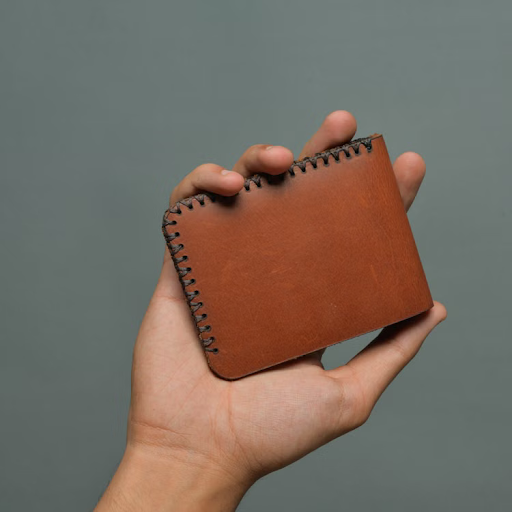
Fortunately, extending a wallet’s lifespan is relatively simple. Follow these maintenance habits:
- Clean the wallet according to the care instructions recommended for its specific type of leather and finish.
- Apply a leather conditioner only when recommended for the specific type of leather and finish, and follow the product or manufacturer’s care instructions.
- Avoid overfilling card slots.
- Keep the wallet away from prolonged direct sunlight and high heat.
- Let wet leather dry naturally without using hair dryers or heaters.
- Store unused wallets in a breathable fabric dust bag rather than plastic.
- Rotate between two wallets if you use one heavily every day.
These simple habits can help reduce everyday wear and preserve the wallet’s appearance and structure.
When Is It Time to Replace a Leather Wallet?
Not every sign of aging means a wallet should be replaced. A patina, slight darkening, softened leather, and small surface marks are natural characteristics of real leather and often enhance its appearance. However, replacement may be necessary when you notice:
- Large cracks through the leather.
- Torn stitching that cannot be repaired.
- Severely stretched card slots that no longer hold cards securely.
- Broken internal lining.
- Structural damage that affects everyday use.
Many minor issues, such as loose stitching or edge wear, can often be repaired by a professional leather craftsperson, extending the wallet’s usable life.
A quality leather wallet is one of the longest-lasting everyday accessories when made from quality materials and treated with proper care. Full-grain leather wallets can easily remain functional for well over a decade, while even top-grain leather offers many years of reliable use. Avoiding overstuffing, protecting leather from moisture and heat, and following a simple maintenance routine will help preserve both its appearance and durability. Rather than replacing a wallet at the first signs of aging, understanding the difference between natural patina and genuine damage allows you to enjoy its character for many years.