In The Wild: Vintage Handmade African Briefcase

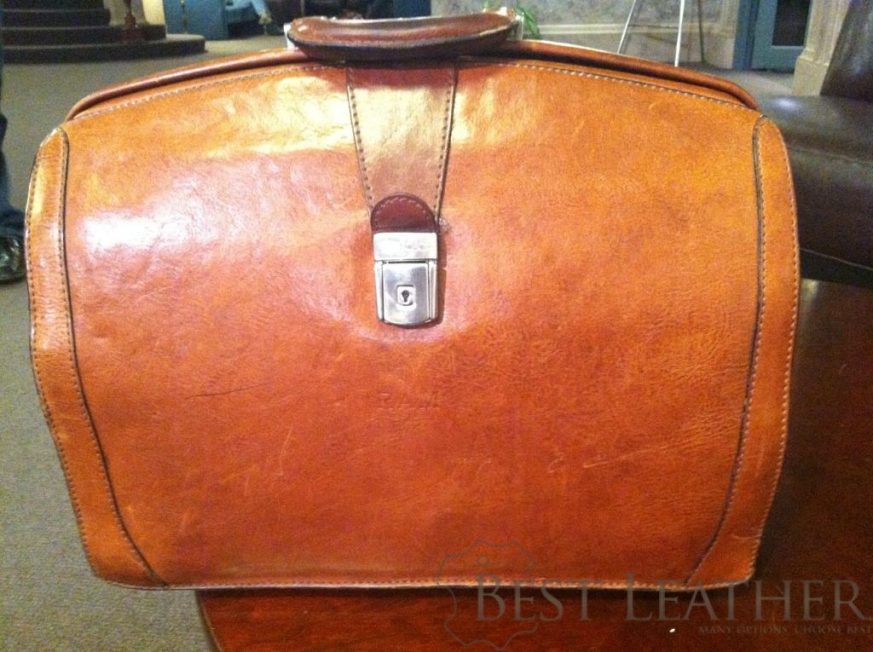
vintage african leather briefcase top

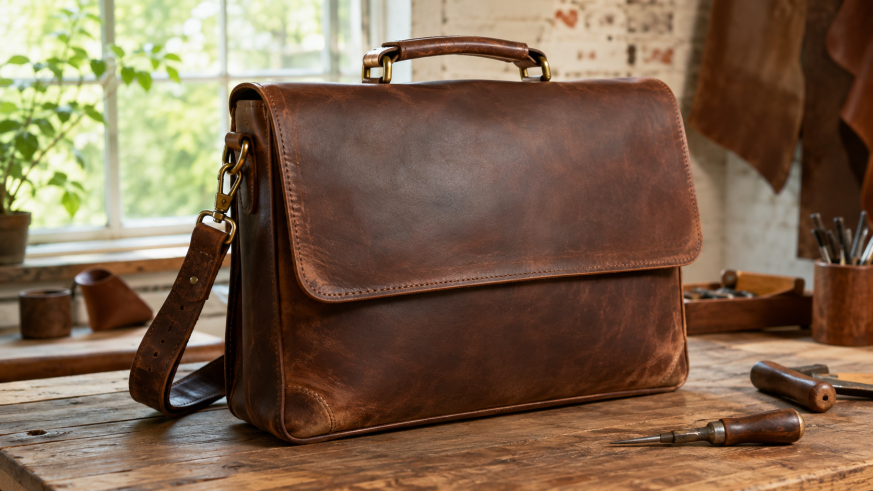
This lovely old briefcase was made and purchased in Chad, Africa over thirty years ago by Kevin, a regular at my favorite office… errr… coffee shop.

The leather is full grain leather but the coating is coming off and dryness is taking its toll. Several parts of the briefcase have ripped or cracked. Ten years ago the stitching was redone and Kevin is trying to decide to keep investing in repairs. I say absolutely! This briefcase has amazing history from around the world. It would be a shame not to condition it up and stitch it up one more time. Hopefully it will live on.

Enjoy!

vintage african leather briefcase top

vintage handmade african leather briefcase

vintage handmade african leather briefcase side patina

In The Wild: Leather Plevier Messenger Bag

front of plevier leather messenger bag

While typing away furiously at my favorite coffee haunt I caught the lovely brown of a messenger bag slide past my peripheral. Sure enough! This bag was purchased 15 years ago in Germany and has held up well to moderate use. It spent several years tucked away in a closet where it acquired a severe drywall stain but otherwise looks none the worse. All the zippers still work great, none of the stitching is frayed, and the leather is holding up well.

Enjoy!

How To Fix Broken Or Frayed Thread On Your Saddleback Leather Product

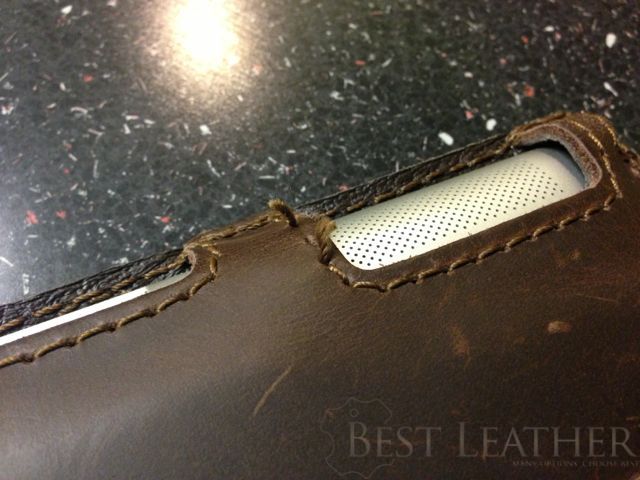
This Saddleback Leather iPad 3 case had a thread that mysteriously broke. Theoretically this stuff is supposed to be stronger than a tow strap (slight exaggeration), but this is the real world and things break in the real world.

Saddleback Leather iPad 3 Case frayed thread

If/when some thread breaks on your Saddleback Leather goodie you have two options: Continue reading “How To Fix Broken Or Frayed Thread On Your Saddleback Leather Product”

The Best Etsy Stores Selling Handmade Full Grain Leather Bags

Etsy has an overwhelming amount of leather goods, perhaps too much. Here is a selection of some of the better options on Etsy.

One of the excellencies of Etsy that larger leather companies cannot easily emulate is the uniqueness of each product since they are handmade. You can have a bag that is like none other. Of course this can have its drawbacks if the maker does not have a critical eye for quality control. A reputation for quality counts for quite a bit in the handmade world.

Peter, the CEO, CFO, CMO, CTO, and production manager at Bay Towne Leather USA (it’s a one man shop) responded with this thorough explanation when asked if he planned to expand his operations in response to interest from a large online retailer.

Hi TJ,
Nah, I just want to keep it a one man shop. Two at the most. I may be wrong, but it seems there’s a fine line between hand made and volume. When the large retailers become involved and want a piece of the ‘action’ so to speak, before long you’re right back to mass produced crap. There’s no other way around it…

For instance, I can teach 5 people to hand stitch, and increase my volume, but I would be hard pressed to find 5 people who wanted to work that hard! LOL.

I could add lasers to cut out the leather, but it then becomes machine produced.

So, before i know it, I’m outsourcing my hand sewing someplace else… and I’m using machines to produce my goods.

It takes a couple years to learn how to hand stain leather… as it’s more of an art than a science. Before you know it, i’m no longer hand staining and using the predyed leather the tanneries produce… like everyone else is using… because I can’t stain it fast enough to keep up with the volume the retailers want.

Problem, Nobody knows how to do anything in the US anymore. We’ve been outsourcing skills so long, the work force doesnt’ have the will or the skill to do certain types of work. It’s a double edged sword. And if they did the work, then you have a lot of other (people) problems that creep into the mix.

So, for me, staying small is the only way I can do it. I was a professional accountant for 14 years, with all the frill and chills the rat race had to offer. One of the main lures to leatherworking for me is that’s is a WAY OF LIFE that’s gone by the wayside. That’s why I love it. I don’t want to ever do anything to make it a ‘rat race’.

Sorry about the rambling. But we are walking a fine line between MONEY and ART. Right now, I choose to keep it as an art….with sufficient money to live within my means and be happy with what I’m doing.

Putting this list was quite enjoyable. I hope you appreciate these works of art as much as I did. My personal favorite is the leather satchel by Cratgo.

American Dry Goods

postal mailbag with horween dublin leather

– postal messenger bag – $450 –

BasAder

simple messenger in pullman brown

– the messenger in pullman brown – $280 –

Black Thorn Leather

black thorn leather full grain messenger bag

– antiqued leather briefcase – $475 –

Cratgo

Cratgo hand stitched leather satchel

 the hand stitched leather satchel – $495 –

Diaz Bags

Diaz Medium Leather Messenger Bag

– medium leather satchel – $285 –

Divina Denuevo

Divina Denuevo leather messenger bag

– Devina brighton leather satchel bag – $400 –

Heirloom Leather

grizzly bear portfolio leather briefcase

grizzly bear portfolio briefcase – $319 –

Hell Brand Leatherwork

horween chromexcel leather briefcase

– horween chromexcel briefcase – $650 –

Leather Finer Work

honey leather messenger bag

– honey messenger bag – $225 –

Little Lion Man Leather

Little Lion Man wood teak briefcase

– wood teak briefcase – $400 –

Luscious Leather NYC

luscious leather leather satchel bag

– the flat flap satchel – $295 –

Perfect Moment With You

perfect moment with you leather messenger bag

– handtailor briefcase – $473 –

Sizzle Straps

sizzle straps goliath leather camera bag

– the goliath leather camera bag – $550 –

Stronge Eye Leather NY

william james 256 leather briefcase

– william james 256 leather briefcase – $775 –

Rustic Leather Co.

rustic leather messenger bag

– buckskin messenger bag – $199 –

WCS Leather Goods

WCS Leather European Briefcase

– european briefcase – $450 –

Did we miss any gems? Please let us know what you think in the comments?

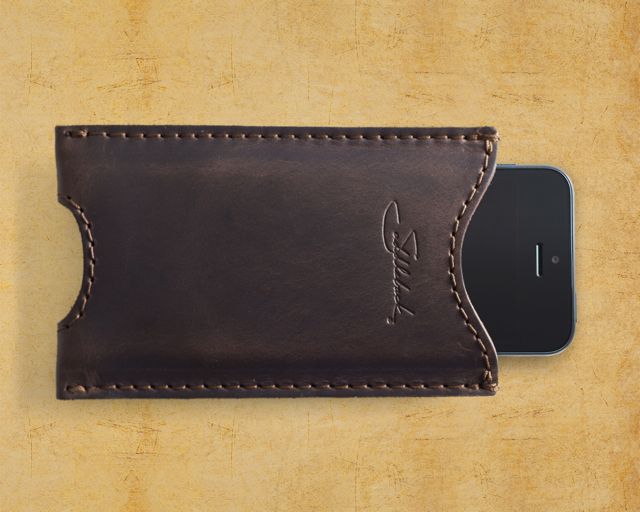
New: Saddleback Leather iPhone 5 Leather Sleeve

Saddleback Leather iPhone 5 case in Dark Coffee Brown top view with phone

If you buy a phone case, especially an expensive one, it can be a pain when the next phone comes out with different dimensions. I am always uncertain about buying leather cases and sleeves for gadgets that change dimensions and ports as new iterations come out, like the MacBook Air Sleeve.

The latest iPhone comes out as too tall for the iPhone 4 sleeves so manufacturers are cranking out iPhone 5 designs. Hopefully those who bought iPhone 4 sleeves can find something to do with them or someone to sell them to. Continue reading “New: Saddleback Leather iPhone 5 Leather Sleeve”

Cork Leather Give Away Contest for Australian Residents

Note: Australian residents only.

Cork Leather is offering one of these delicious bags for referring five or more your friends to their give away on Facebook.

Here’s how you do it.

  • Be sure to like us on Facebook (if you haven’t already done so) by clicking here
  • Connect with them on Facebook by clicking the “Connect” button
  • Invite as many of your friends as you can by clicking the “Invite friends” button – the more friends you invite, the greater your chance of receiving your free handbag.
  • If at least 5 of the friends you have invited also register for this competition, you will receive a free handbag! It’s that easy!

Competition Terms and Conditions:

1. Information on how to enter forms part of the terms of entry. Entry into the competition is deemed acceptance of these terms and conditions.
2. Entry is open to all residents of Australia, above 16 years old.
3. The competition commences on 30 October at 00:00 (AEST) and concludes on 31 December 2012 at 23:59 (AEST) (“Promotional Period”), or until the first 10 winners have been identified, whichever comes first.
4. To be deemed Registered, participants must have liked our Facebook page, connected with the Facebook application by clicking the ‘Connect’ button and invited at least 25 of their Facebook friends.
5. Participants will become eligible to receive their prize once at least 5 of the friends they have invited also register. The 5 registered friends must also be residents of Australia, above 16 years old, and they must have registered at a time after the friend invitation was sent.
6. The Promoter reserves the right to request winners to provide proof of identity, proof of residency at the nominated prize delivery address and/or proof of entry validity in order to claim a prize. Proof of identification, residency and entry considered suitable for verification is at the discretion of the Promoter. In the event that a winner cannot provide suitable proof, the winner will forfeit the prize in whole and no substitute will be offered.
7. The Promoter reserves the right to verify the validity of entries and to disqualify any entrant who tampers with the entry process, who submits an entry that is not in accordance with these Terms & Conditions of entry or who has, in the opinion of the Promoter, engaged in conduct in entering the promotion which is fraudulent, misleading, deceptive or generally damaging to the goodwill or reputation of the promotion and/or the Promoter. The Promoter reserves the right to disqualify a winner if the Promoter becomes aware that the winner and/or the winner’s entry is of a type described in this clause.
8. There are five (5) major prizes consisting of 5 different handbags with an average retail value of AUD $145. The Prize will be sent by Cork Leather to the competition winners when they have been confirmed.
9. The Prize cannot be transferred or exchanged, or be redeemed for cash.
10. Winners will be notified within 7 days of completing the competition requirements. Winners will be notified of their prize by email. Winners will have their names published on the Cork Leather website http://www.corkleather.com.au/
11. By entering the promotion, each entrant also agrees that the Promoter may use this information, in any media for future promotional, marketing and publicity purposes without any further reference, payment or other compensation to the entrant, including sending the entrant electronic messages.
12. All entries become the property of The Promoter.
13. This promotion will be advertised on Facebook and adheres to the terms and conditions set out in the Facebook promotion guidelines which can be found at:http://www.facebook.com/promotions_guidelines.php

Leather Bag Hunting in Downtown Chicago Finds Poor Quality And High Prices

A two week business trip takes us to Chicago, where in the free time we walk the downtown arena in search of choice leather in the fashion corridors.

In summary, nought was found. Many leather bags were found, none were full grain leather, much less quality leather, all were far more expensive then they should be, and every single one was being sold as an excellent long term investment  in quality leather (laughing out loud). Note that all of these photos were taken in supposedly high quality fashion stores.

Don’t fall for the fashion hype, even the goods on Etsy do a much better job delivering enduring quality for good prices.

My mental equation for value evaluation is:

(Construction Quality + Aesthetic Design)/Cost = Value

It means that high cost items are good value as long as the quality and aesthetic levels are equally high as well. Note that his is how I personally value the worth of an item. Others may weight details differently and come to different conclusions. Also, there is an personal sense of style that greatly influences perceived value (i.e. Apple Laptops).

Both construction quality and aesthetic design are percentages subjective relative to the level of quality you expect from the product.

Lets see how this works out with a real product. Lets compare the Paul Stuart Duffel and the Coronado Americana Leather Duffel.

The Paul Stuart Duffell costs $847

construction

  • Uses stamped top grain leather for most surface areas, handles are full grain leather.
  • 3 oz leather (thinner)
  • Lined with polyester
  • light brass hardware
  • unknown warrenty
  • unknown orgin
  • 4 pounds
total construction score: 50% fails to impress
design
  • very nice beige leather color
  • pleasing proportions
  • functional carry handle and carry strap
total design score: 50% fails to impress

The Coronado Americana Leather Duffel Costs $749.

construction

  • Uses full grain Horween Chromexcel leather (legendary leather tanned in Chicago)
  • 5-6 oz leather (thicker)
  • Lined with canvas
  • heavy brass hardware (#10 brass zipper)
  • reinforcing straps to bear load from the handles
  • lifetime warranty
  • 7 pounds of stunning craftsmanship
  • made in America
total construction score: 100% excellent craftsmanship

design

  • heavy usage of quality brass accents
  • suave brown oiled leather
  • complex and functional aesthetic design (the strap attachments points flex upward easily,
  • design does not hinder functionality
total design score: 100% excellent design

I conclude that the Corando Leather Americana Duffel was designed and constructed with twice the care.

Lets apply the equation to the Paul Stuart Duffel: (.5+.5)/$847=0.0011 value

Now lets apply the equation to the Corando Leather Americana Duffel (1+1)/$749=.0023 value

Here we can see the mathematical expression of the quality with price factored in, making the Coronado Leather Americana Duffel twice the value with almost $100 less cost.

Enjoy…


Why Leather Lovers Are Adding Red Light Therapy to Their Wellness Routine

There is something that leather enthusiasts and red light therapy users share in common, and it is a preference for quality that lasts. Leather is chosen for its durability, its texture, its ability to age well when properly cared for. Red light therapy, increasingly, is being chosen for the same reasons, not as a trend, but as a long-term investment in physical health and skin quality that compounds with consistent use.

The connection between the two is not as tenuous as it might first appear. The people most drawn to genuine leather goods tend to be detail-oriented, quality-conscious individuals who think in terms of long-term value rather than short-term convenience. Those same qualities tend to draw people toward evidence-based wellness practices, and red light therapy sits firmly in that category.

What Red Light Therapy Does

Red light therapy works by delivering specific wavelengths of red and near-infrared light to the skin and underlying tissue. These wavelengths are absorbed by the mitochondria, triggering an increase in cellular energy production and initiating a cascade of repair and regeneration responses. The effects are cumulative and build with consistent use over weeks and months, which is precisely why quality-focused individuals tend to respond well to it.

The most well-documented benefits are in skin health. Red light therapy stimulates collagen and elastin production, improves skin tone and texture, reduces redness and supports the skin’s barrier function. For people who spend time outdoors, handle materials with their hands or simply want their skin to remain in good condition over time, consistent sessions deliver visible results without chemicals, procedures or downtime.

Beyond skin, near-infrared wavelengths penetrate deeper into tissue, supporting muscle recovery, reducing joint inflammation and improving circulation. For people who work with their hands, carry heavy materials or spend long hours on their feet, this makes red light therapy a practical recovery tool as much as a cosmetic one.

The Medical Grade Distinction

Not all red light therapy devices are created equal, and the distinction matters in the same way that the distinction between genuine and synthetic leather matters. Consumer-grade devices vary widely in spectral accuracy, irradiance consistency and build quality. medical grade red light therapy devices australia that meet clinical specifications deliver more consistent wavelength output, more stable power over time and better-characterised tissue interaction than entry-level products.

StreamShop Australia offers a range of devices designed for home use, making clinical-level technology accessible without the cost and inconvenience of repeated clinic visits. Sessions typically run between 10 and 20 minutes and can be built into an existing daily routine without disruption.

Making It Part of a Quality-Focused Routine

The appeal of red light therapy to quality-conscious individuals is straightforward: it is a well-researched, non-invasive tool that delivers results proportional to the consistency of use. Like caring for a good piece of leather, the returns come from regular attention rather than occasional effort. A session three to five times per week over four to eight weeks produces meaningful, visible changes in skin quality and physical recovery, and those results continue to improve with ongoing use.

For people already invested in quality materials, quality craft and quality care routines, red light therapy represents a natural extension of that same philosophy into personal health and wellness.

Coach Emmy Saddle Bag 23 Drops $165 at Nordstrom, but the Leather Case Matters More Than the Price

Dalius Mikalauskas has spent two decades watching how people make decisions about discretionary spending, and a $165.01 discount on a leather bag triggers a familiar pattern. The Coach Emmy Saddle Bag 23, currently marked down during the Nordstrom Anniversary Sale, is the sort of offer that can nudge shoppers toward checkout before they have considered questions like craftsmanship, durability, and whether the discounted price still represents genuine value.

Mikalauskas sees a similar decision-making process in other areas where people weigh how to spend their leisure budget. He notes that careful sports fans often review basketball betting tips before committing money, preferring to evaluate the reasoning behind a prediction instead of reacting to an eye-catching number alone. In his view, the same principle applies to retail purchases: the value of the product should come first, while the size of the discount should come second.

“A big markdown is a prompt to look harder, not a reason to look less.”

That instinct applies just as much to this bag.

Nordstrom’s Anniversary Sale Brings a Rare Coach Discount

The numbers are concrete. According to MassLive, the Coach Emmy Saddle Bag 23 is priced at $229.99 during the Nordstrom Anniversary Sale, against a regular retail price of $395.00. That gap, $165.01, represents 42 percent off.

The significance of that figure is not just arithmetic. Significant discounts on Coach leather goods are rare outside major sales events, which makes the Anniversary Sale one of the few windows where a buyer can access this category of product at a meaningfully reduced price. Once the sale concludes, the bag returns to full retail. There is no indication that this price carries beyond the event.

For a reader who has been considering a quality leather crossbody, that context shifts the calculation. This is not a routine promotional markdown; it is a structural exception.

All-Leather Construction and the Argument for Long-Term Value

The price argument holds only if the bag justifies it on material terms, and the construction case for the Emmy Saddle Bag 23 is straightforward. The bag is crafted entirely from leather, and MassLive notes that the material offers durability alongside a refined finish that improves with age.

That last detail carries specific weight for anyone who has owned a well-made leather piece. Leather that ages well does not simply hold together; it develops character, softening and deepening in tone over years of regular use. A bag that improves with age is, in a practical sense, a different object at five years than it is on day one. Buyers who treat it as a single-use or short-cycle purchase misread what the material offers.

The all-leather construction also speaks to repairability and resilience in ways that mixed-material or bonded constructions do not. No specific tanning method or leather grade is named in the available sourcing, but the claim of a finish that improves over time points toward a hide with genuine patina potential, which is the defining characteristic of leather that merits investment rather than replacement.

At $229.99, the per-year cost of a bag that lasts a decade is a fraction of what most buyers spend on a single lower-quality replacement cycle.

Compact Dimensions, Adjustable Fit, and a Practical Interior

The Emmy Saddle Bag 23 measures 23 centimeters, a size that sits at the useful edge of compact. It is large enough to carry daily essentials without creating bulk, and small enough to avoid the weight and visual heaviness that makes larger crossbodies impractical for extended wear.

The adjustable crossbody strap is a functional rather than decorative feature. Fit varies by body type and carry preference, and a fixed strap forces a compromise that a rider can avoid. Adjustability means the bag works across a range of wearing styles, from high and close to the body to a longer, more relaxed drop.

Inside, the organized layout keeps a phone, wallet, and keys within reach without requiring the wearer to search. That sounds minor until the alternative is a single-compartment bag where everything migrates to the bottom. Structured access to three core items covers the practical needs of most daily routines.

The exterior silhouette reads as timeless rather than trend-specific, and the neutral tones are designed to pair across a range from casual to more polished dress. A bag that does not demand outfit coordination earns its wear frequency, which in turn justifies the cost per use.

Reviewer Consensus Points to Broad Appeal and Rapid Sell-Through

The market signal is worth noting alongside the quality case. The Coach Emmy Saddle Bag 23 has become one of the most popular items at the 2026 Nordstrom Anniversary Sale, and MassLive reports it has been selling quickly. That pace of sell-through is rarely accidental; it tends to reflect a product that delivers visible value at its sale price relative to alternatives available at the same event.

Reviewer consensus, per MassLive, positions the Emmy Saddle Bag 23 as a reliable, stylish choice for professionals, students, and travelers. Those three categories represent very different use profiles, and a bag that works across all three is making a functional argument, not just an aesthetic one. Professionals need something that reads appropriately in a work context. Students carry it continuously. Travelers require durability and security. A bag praised across all three groups has cleared a practical bar, not just a style one.

The selling-quickly signal also carries a secondary implication for buyers still deliberating. The Anniversary Sale price is already a narrow window. Inventory that moves fast narrows it further.

Once the sale ends, the Emmy Saddle Bag 23 returns to $395.00. That is the real reference point. The $229.99 price is not a new normal; it is a temporary exception to the standard retail reality of Coach leather goods, which rarely discount outside events of this scale. For a reader who has assessed the construction, the dimensions, and the wear case, the decision reduces to whether the value holds at sale price. The leather suggests it does. The clock on that price, however, is not indefinite.

The Research Habits Behind Every Good Purchase Decision

Anyone who has spent real money on a leather bag knows the feeling of doubt that creeps in before the box even arrives. Product photography flatters almost anything, and marketing copy is written to reassure rather than inform. That gap between how a good is presented and how it actually performs is exactly why review culture took hold across the internet in the first place. People who care about craftsmanship learn to look past a glossy photo and ask harder questions about grain, stitching, and hardware before they commit any money.

That habit, pausing to verify a claim before acting on it, does not stay confined to leather goods. It surfaces whenever someone decides where to spend money or time online, whether the choice involves a piece of furniture, a productivity app, or an unfamiliar platform that showed up in a sponsored post. The underlying question stays the same across every category: does this match what is being promised, and who exactly is making that promise.

Photo by Erik Mclean on Pexels

The Same Screening Extends Beyond Leather

This kind of comparison shopping has expanded well beyond physical goods. Today, people research everything from meal kit subscriptions and budgeting apps to streaming services before deciding where to spend their money, often relying on independent reviews rather than advertising alone. Video chat platforms follow the same pattern, with new services appearing regularly and each claiming to offer a better experience through different features, pricing models, moderation tools, or verification processes.

As they compare different platforms, users often read several review roundups before making a decision. In that process, they may come across a CooMeet alternative worth a look alongside other services, each evaluated on factors such as pricing, user verification, ease of use, and overall experience. It’s much like comparing leather jackets: several options may seem appealing at first glance, but reading multiple independent reviews makes it easier to separate well-supported conclusions from marketing claims before committing to a subscription.

Why First Impressions Rarely Tell the Whole Story

A hero shot can make almost any bag look identical to one costing three times as much money. The real differences only show up once someone presses a thumb into the surface, checks the smell, or examines how a seam was actually finished. Shoppers who spend real time comparing options tend to build an informal checklist covering fit, materials, return policy, and how a company handles a defective unit before it ships back. Weight matters too, since a bag that feels substantial in a photo can turn out to be surprisingly light and hollow once it arrives, a difference no image can fully convey. Hardware tells a similar story, since a zipper or clasp that looks polished in a listing photo can still feel loose or cheap the moment it is actually used. That habit of checklist thinking, rather than choosing whatever appears first in a search result, sits at the center of how experienced buyers avoid disappointment. It is part of why a running list of leather brands worth shopping online continues to get updated, since a single flattering photograph rarely tells a shopper everything they need to know before paying.


Labels and Language Can Mislead

Words printed on a label carry their own kind of marketing. A tag that reads genuine leather sounds reassuring, yet the term is technically accurate for material that sits barely one step above scrap, since regulations in most places only require a small percentage of actual hide content. It says nothing about thickness, tanning method, or how a piece will age over the following decade. Shoppers who understand why the word genuine says less than it seems to are far less likely to be swayed by one reassuring word printed on a swing tag. The same caution applies to phrases like premium, handcrafted, or limited edition, each of which describes a feeling rather than a fact anyone can verify, and each of which shows up on products that range wildly in actual quality.


Reading Reviews With a Skeptical Eye

Even a well written review deserves a second look. Some publications disclose clearly when a company has paid for coverage or provided a free sample; others bury that detail in fine print or leave it out entirely, which says something about how much confidence they have in their own objectivity. Neither situation automatically makes a review dishonest, but knowing which is which changes how much weight a reader should give the conclusion. The most useful reviews tend to name specific weaknesses alongside the praise, since a write-up with zero criticism usually says more about the relationship between the reviewer and the brand than it does about the product itself. Comparing a handful of independent reviews against a single sponsored post, rather than relying on either one alone, tends to produce a much clearer picture. Treating any single review as one data point among several, rather than a final verdict, keeps a shopper in control of the decision instead of just following along with whatever ranks highest.


None of this requires suspicion toward every product or platform a person encounters day to day. It simply means treating a purchase, physical or digital, as something worth a few extra minutes of research before money changes hands. The same care that goes into checking a seam or a return policy on a leather bag applies just as well to a subscription, an app, or any other service asking for money and attention. A little patience at the research stage tends to save far more time than it costs, since a returned bag or a cancelled subscription both eat into an afternoon that could have been spent elsewhere. Buyers who keep that habit rarely regret the extra few minutes it takes, and they tend to end up with fewer purchases they wish they could return.

How Do You Tell Great Leather Apart From Mediocre Leather?

People usually wonder how to choose the best leather manufacturer and whether it’s better to invest in such products or not because it’s risky if you end up buying subpar quality material.

And this has to do with most people focusing on material (leather) lifespan. But even if the material lasts you for a long time, other factors (e.g., leather grade, hide factor, tanning process, fiber density finishing, softness/suppleness, consistency, smell, patina potential, etc.) can still ruin the end result. The longer lifespan, in such a case, would only leave you with a bad product, only for longer than what you’d want.

So, if you bought a really cute purse only because the price was good, but you didn’t really need it, you won’t take proper care of it and will only see its flaws. And that’s also what actually separates amazing purchases from average ones. It’s all in defining what you really want and giving it time to show its true value.

Satisfaction comes from smart decisions in the first place.

A Great Leather Purchase Starts Before You Own It 

As mentioned above, buying this just because won’t really give you the greatest buying experience.

Analyze your specific needs (a.k.a. what is it for?): 

  • Is it a new briefcase for work? 
  • Maybe a wallet? 
  • Is it perhaps a present for someone? 

Think about it for a second – it’s the intention that creates new value, not the other way around.

Plus, when you know what you are looking for, you can dive deeper into your requirements. That means if one brand doesn’t have the chosen dimensions or colors, you move to another one (which wouldn’t be the case if you hadn’t considered it).

For example, buying a briefcase that’s too heavy for daily transport. If that’s the case, it’s not up to the product; it’s up to the buyer’s lifestyle and needs.

It explains why it’s not always the best review, and why personalization makes great purchases.

There’s More To Leather Than Just The Material Properties

After you’ve decided on leather type, tanning and finishing, and all those little details revolving around leather itself, there are more details defining good product construction. That means if the stitching is bad or the handles can’t give you full support, it determines the product’s lifespan.

Maybe the most important part is focusing on parts that experience the most movement and repeated friction. These are the parts/friction points that tend to wear out the most.

If these are badly done, like card slots opening in a wallet or zipper corners on a bag, no matter how excellent the leather is, it will wear out way sooner than it should.

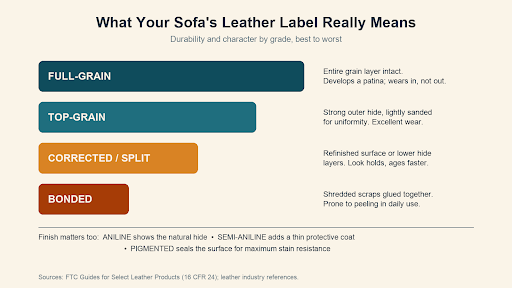
Compared to split or corrected leather, full-grain leather tends to have higher tensile strength, which also leads to greater long-term durability. This has to do with full-grain leather retaining its natural collagen fiber structure. – United States Department of Agriculture

Not to mention, when ordering, it’s very hard to tell how it’s done and whether the product will fail. That’s why lots of people go personally to the shops before ordering online.

In that case, you know exactly what to expect and can consult with more experienced workers. But luckily, today we’ve got more and more specific angles and photos available, providing you with almost all the information.

Every Great Purchase Depends on Proper Handling 

Another point is that before you place an order, do some background research on how products are handled.

Usually, you can find where it is manufactured, where the warehouses are, and how they are transporting it to you. Plus, this is the point where you might check reviews where people have graded how good the packaging was.

These points may not seem as important as the products themselves, but their quality highly depends on the way they are stored. With insufficient packaging and prolonged transport, metal details can start to rust. While leather naturally absorbs moisture, it can soften or change its color.

Leather naturally absorbs moisture from the environment because it has hygroscopic properties. If not properly controlled, this can cause softening and discoloration. – Leather Research Laboratory, University of Cincinnati

As more and more people are becoming aware of these oversights during storage and transport, lots of firms have opted to be more transparent with their customers.

Some manufacturers have upgraded their transport through logistics weather forecasting, as it helps them determine the best day for delivery. On the other hand, if the customers are waiting a bit longer, they have a precise explanation for that.

This way, both sides get what they want.

Purchases Reveal Their Value Over Time 

One of the biggest differences between average purchases and great ones is how the product shows over time.

This can be specifically tied to leather: a good quality one improves with use. Gradually, leather products mold with your habits; they might seem stiff at the beginning, but they go through a break-in period.

Also, taking proper care should pretty much go without saying.

It happens that people misinterpret the patina appearance. They take it as a flaw instead of a sign that it’s natural and characteristic leather.

All these make one leather purchase turn into a lifetime value.

Conclusion 

The bottom line of every quality leather purchase is precision and time. Your needs and specifications make the product more unique to you. While at the same time being thoughtful with it and searching makes the rest.

If you’re looking for years of usage, there should be a separate time to make the right decisions before checkout. And to prepare for a bit of waiting in case the conditions aren’t best. 

Plus, taking proper care of leather will reward you for years afterward.

2 Interlinking Opportunities:

From https://bestleather.org/how-to-choose-a-leather-duffle-bag-that-actually-lasts-a-practical-guide with anchor good product construction

From https://bestleather.org/why-full-grain-leather-is-the-most-authentic-material-for-handmade-goodwith anchor patina appearance

Beyond Paris: The Modern History of the Designer Beret and Its Pairing with Leather

The beret is no longer just a relic of artists’ studios and Parisian boulevards, a quiet nod to a bygone era. Today, when it comes to the designer beret, it’s no longer a matter of nostalgia but of a new language of individuality. Paired with the right leather bag or a sculptural pair of gloves, it turns a simple silhouette into a statement — proof that street culture, haute couture, and personal expression can share the same frame.

From the ateliers of Montmartre to the front rows of international runways, this accessory has traveled further than anyone could have predicted — and leather goods and considered accessories have followed the same route, becoming essential markers of taste in their own right. The beret remains instantly recognizable, yet it now carries a different weight: one of the most quotable elements of the modern wardrobe.

From a Symbol of Bohemia to a Wardrobe Element of the Elite

The classic beret has always been about a way of thinking, not about fashion in the narrow sense. It was associated with creative freedom, intellectual independence, and a subtle challenge to the system. Today, people see it differently: as a symbol of confidence and effortless style.

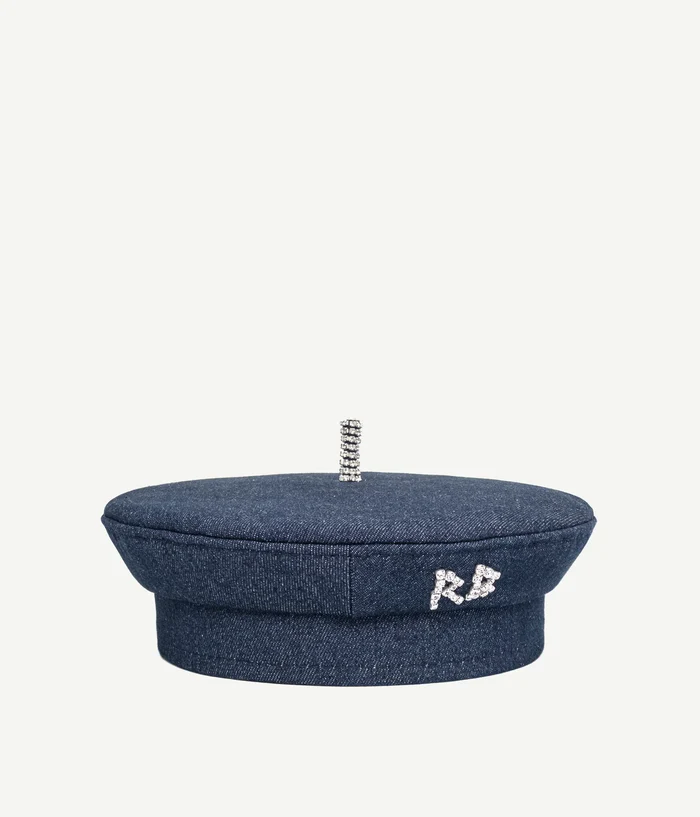
Ruslan Baginskiy has become one of those names that have redefined the beret in the modern luxury market. Those who choose such an accessory are not following fashion. They have their own visual language, where shape, silhouette, and texture speak louder than words. This quiet confidence is what makes a beret a piece that works in any context, from business to evening wear.

What Distinguishes a Truly High-Quality Beret

It’s not there — the difference between a mass-produced accessory and a luxury one but further in, by touch, in the details of the cut, the way a garment holds its shape. These nuances determine whether a beret will become a one-season wardrobe staple or a treasured item for years to come, providing it with emotional value.

Here are some things to consider:

  • high-density material;
  • hand-finished edges;
  • precise fit;
  • elegantly restrained color palette;
  • thoughtful balance of volume and simplicity;
  • shape stability when carefully stored;
  • neat interior stitching.

Each of these points isn’t a technical detail but part of a philosophy in which quality is more important than impact and restraint is more powerful than any logo. This is what creates a product that doesn’t need a loud statement.

Beret and Leather Accessories: A Play of Textures

The contrast of textures reveals the character of an outfit. A soft, sturdy beret — made of wool, denim, or cotton — looks especially striking when paired with leather accessories, such as a shoulder bag, a thin belt, or gloves. The pairing is a nod to the contrast of materials: the hat’s supple texture with the dense, tanned leather of the accessories that hold their shape and age beautifully.

Hats and leather goods are a style system, not individual pieces, and this pairing has long been part of the visual language of luxury brands.

Conclusion

A story of how one simple shape can stand the test of decades and be relevant again in each new era is the story of the beret. Together with thoughtfully crafted leather accessories, it forms a wardrobe rooted in craftsmanship rather than trends. No longer limited to one city or one image, it is now a universal symbol of style, the icon for those who want culture, form, and quality all at once.

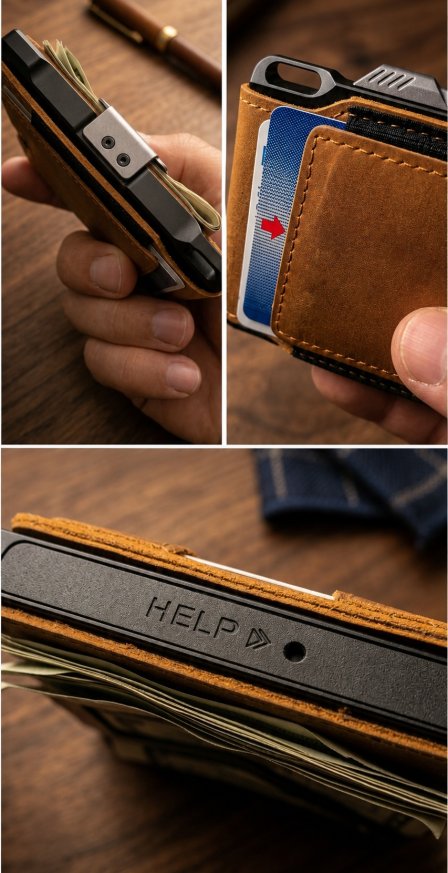
How to Choose a Leather Wallet That Lasts for Years

A leather wallet is one of the few everyday accessories that becomes more valuable with time. Unlike fast fashion items that quickly wear out or lose their appeal, a well-made leather wallet develops character with every year of use. 

It carries your cards, cash, identification, and daily essentials while quietly becoming part of your everyday routine.

Unfortunately, not every leather wallet is built to last. Many wallets that look impressive in a store begin to lose their shape, develop loose stitching, or crack after only a few months. 

Understanding what makes a great leather wallet isn’t just about buying a premium product. It’s about making an informed investment that saves money over time and gives you something you’ll genuinely enjoy carrying every day.

Whether you’re shopping for your first leather wallet or replacing an old favorite, knowing what to look for can make all the difference.

The Leather Matters More Than the Brand

The biggest factor that determines how long a wallet will last is the leather itself. Two wallets may appear almost identical at first glance, but the type of leather used can dramatically affect durability, flexibility, appearance, and how the wallet ages over time.

Full Grain Leather

Ask any experienced leather craftsman what material they prefer, and you’ll often hear the same answer: full grain leather.

Full grain leather is made from the strongest part of the hide and keeps its natural grain intact. 

Because the surface isn’t sanded or corrected, every wallet has its own unique texture and markings. More importantly, the leather retains its natural strength.

Instead of peeling or cracking, full grain leather develops a rich patina—a gradual change in color and texture that reflects years of use. Many leather enthusiasts consider this aging process one of the material’s greatest qualities because no two wallets age exactly the same way.

If your goal is to own a wallet that still looks beautiful five or ten years from now, full grain leather should be at the top of your list.

Top Grain Leather

Top grain leather is another excellent choice for everyday wallets. During production, the surface is lightly sanded to remove small imperfections, creating a smoother and more uniform appearance.

While it doesn’t develop quite the same character as full grain leather, it still offers excellent durability and a refined finish that many people appreciate.

Genuine Leather

The term “genuine leather” often creates confusion.

Although it is real leather, genuine leather is typically produced from lower layers of the hide after the highest quality layers have been removed. 

It can still make a functional wallet, but it generally won’t offer the same strength, longevity, or beautiful aging characteristics found in premium full grain or top grain leather.

If you’re looking for a wallet that will accompany you for years instead of months, investing in higher quality leather is usually the smarter decision.

Vegetable Tanned Leather

The tanning process also plays an important role.

Vegetable tanned leather uses natural tannins extracted from tree bark and plants instead of synthetic chemicals. The result is leather that feels firm when new but gradually softens with use while developing a warm, distinctive patina.

For many leather enthusiasts, vegetable tanned leather represents traditional craftsmanship at its finest.

Great Leather Deserves Great Craftsmanship

Even the highest quality leather cannot compensate for poor construction.

A wallet experiences constant stress every day. It is folded hundreds of times, carried in pockets, exposed to changing temperatures, and handled repeatedly. Without careful craftsmanship, even premium materials will eventually fail.

When examining a leather wallet, pay close attention to details that many buyers overlook.

Stitching

Strong stitching is often the clearest sign of quality.

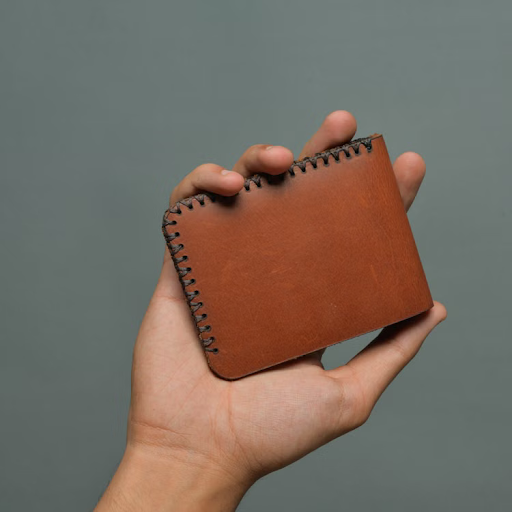
Look for evenly spaced stitches that run straight along the edges without loose threads or inconsistent spacing.

Many premium handmade wallets use saddle stitching, a traditional technique where two needles pass through every hole independently. Unlike standard machine stitching, saddle stitching continues to hold even if one stitch becomes damaged, making the wallet significantly more durable.

High-quality waxed thread also adds strength while resisting moisture and everyday wear.

Edge Finishing

The edges of a wallet reveal a surprising amount about its overall construction.

Well-made wallets feature carefully burnished edges that feel smooth to the touch rather than rough or unfinished. Burnishing seals the leather fibers, improving both appearance and durability.

Cheap wallets often skip this step, leaving exposed edges that begin separating over time.

Precision Matters

Small details separate exceptional craftsmanship from mass production.

Card slots should be evenly aligned.

The wallet should fold naturally without twisting.

The leather grain should remain consistent across every panel.

Stress points should be reinforced, especially around the cash compartment and frequently used card pockets.

These details may seem minor individually, but together they determine how well a wallet performs after years of everyday use.

Many independent leather workshops continue to preserve these traditional techniques instead of relying solely on automated manufacturing. 

Moodcrafts is one example of a brand that focuses on handcrafted leather goods using premium materials, careful stitching, and timeless construction principles that prioritize durability over short-term trends.

Choose a Wallet That Fits Your Lifestyle

A great wallet isn’t simply the one made from the best leather—it’s the one that matches the way you live.

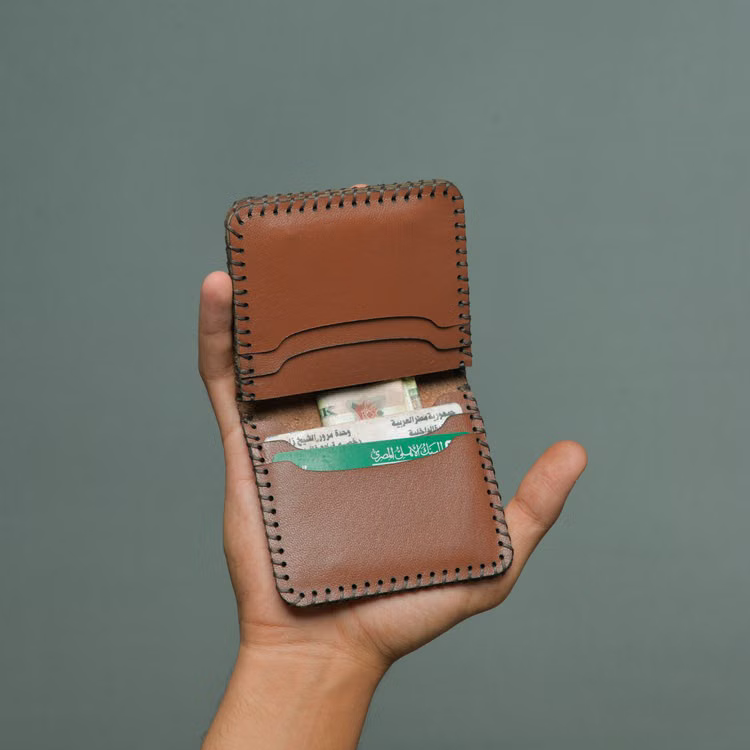
Someone who carries fifteen cards every day will have different needs than someone who mostly pays digitally. Likewise, frequent travelers often prioritize organization, while minimalists may prefer a slimmer profile.

Understanding the most common wallet styles makes it easier to choose one you’ll actually enjoy carrying every day.

Bifold Wallet

The bifold remains the classic choice for a reason.

It offers an excellent balance between storage capacity and comfort while fitting easily into most pockets.

A typical bifold includes:

  • Multiple card slots
  • A full-length cash compartment
  • An ID window
  • A slim folding profile

For many people, it remains the most practical everyday carry option because it provides enough storage without becoming unnecessarily bulky.

Trifold Wallet

A trifold wallet offers additional space for people who regularly carry extra cards, business cards, receipts, or cash.

While highly functional, the additional fold naturally creates a thicker wallet. If pocket comfort is important to you, it’s worth considering whether you truly need the extra storage.

Card Holder

Minimalist lifestyles have made card holders increasingly popular.

They are compact, lightweight, and ideal for people who mainly rely on contactless payments while carrying only a few essential cards.

A well-crafted leather card holder also develops the same attractive patina as larger wallets while taking up very little space in your pocket.

Front Pocket Wallets and Everyday Carry

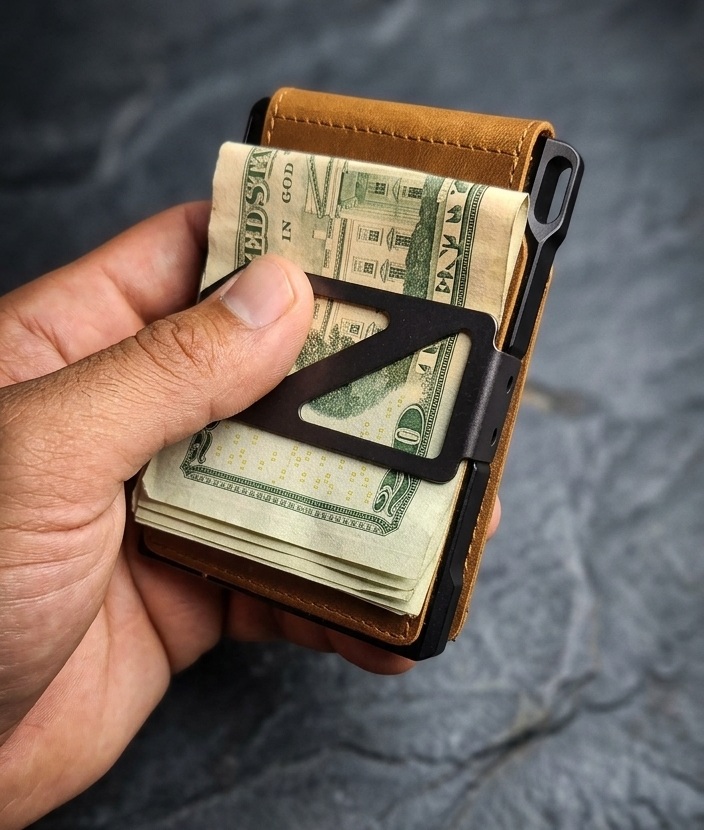
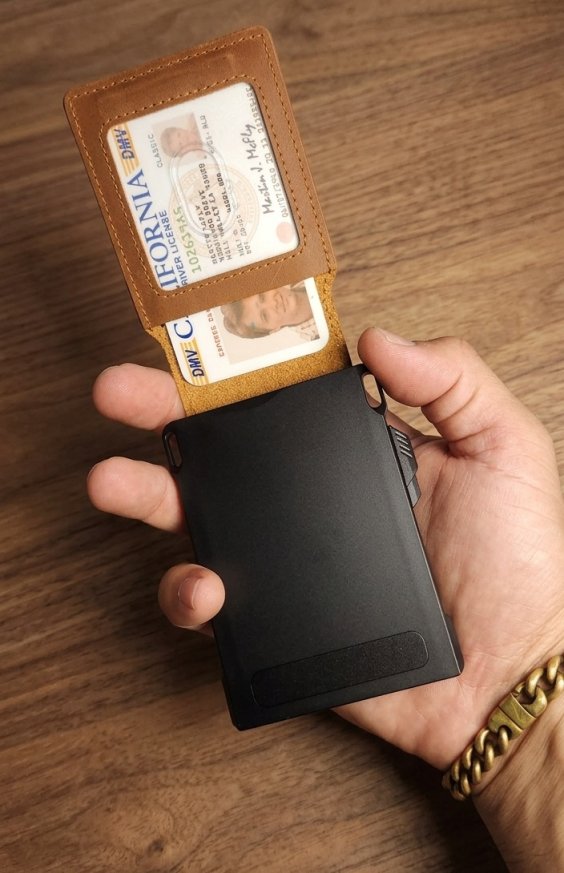
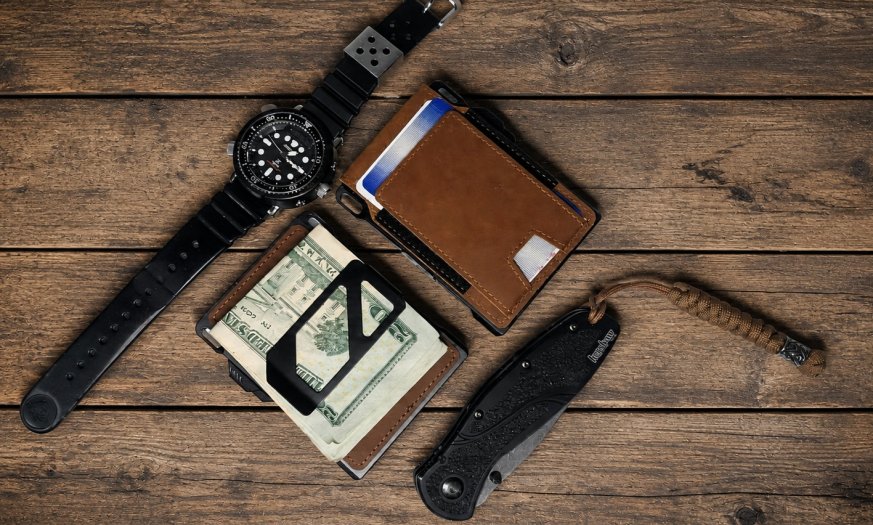
Over the last decade, front pocket wallets have become increasingly popular, especially among people who prefer a minimalist everyday carry (EDC). Instead of carrying a bulky wallet filled with old receipts, unused loyalty cards, and unnecessary items, many people now choose a slimmer design that holds only what they use daily.

A well-designed front pocket wallet is comfortable to carry, reduces bulk, and encourages better organization. Most include enough room for a few payment cards, identification, and folded cash without adding unnecessary thickness.

If comfort is one of your priorities, a compact leather wallet is often a better choice than the largest wallet available.

Think About Functionality Before Style

A beautiful wallet isn’t always the right wallet.

Before choosing one, think about how you actually use it every day rather than how it looks in product photos.

Ask yourself a few practical questions:

  • How many cards do I carry regularly?
  • Do I still carry cash?
  • Do I need quick access to my ID?
  • Will I use this wallet while traveling?
  • Do I prefer a minimalist design or maximum storage?
  • Would RFID protection be useful?

Answering these questions helps narrow your choices and prevents buying a wallet that doesn’t fit your daily routine.

The best wallet is the one that supports your lifestyle without becoming uncomfortable or overloaded.

Should You Buy an RFID Blocking Wallet?

RFID blocking has become a popular feature in modern wallets, but not everyone actually needs it.

RFID technology is used in many contactless payment cards and identification cards. Some wallets include a protective lining designed to reduce the risk of unauthorized scanning.

For frequent travelers or people who regularly use contactless cards, RFID blocking can provide additional peace of mind. However, it shouldn’t be the primary reason for choosing a wallet.

Quality leather, durable construction, thoughtful design, and reliable craftsmanship will have a much greater impact on how long your wallet lasts than any additional feature.

If you find a wallet that combines excellent craftsmanship with RFID protection, that’s an added benefit rather than the deciding factor.

The Small Details Reveal True Quality

Experienced leather craftsmen often judge a wallet within seconds because they know where to look.

Instead of focusing only on appearance, examine the finer details.

The Leather Grain

Natural leather has subtle variations that give every piece its own character. Uniform surfaces that appear almost artificial can sometimes indicate heavily corrected leather rather than premium full-grain hides.

The Stitching

Stitches should be evenly spaced and perfectly straight.

Loose threads, uneven spacing, or skipped stitches are signs of rushed manufacturing.

Edge Finishing

Run your finger along the edge of the wallet.

A quality wallet should have smooth, carefully burnished edges rather than rough layers that may begin separating over time.

Card Slot Construction

Card slots should securely hold cards without feeling excessively tight.

If removing a card requires excessive force when the wallet is new, the leather may stretch unevenly after regular use.

Folding Comfort

Open and close the wallet several times.

A properly constructed wallet folds naturally without twisting or placing unnecessary stress on the stitching.

These seemingly small details often determine whether a wallet lasts one year or ten.

Common Mistakes People Make When Buying a Leather Wallet

Buying a leather wallet isn’t something most people do often, which makes it easy to overlook important details.

Avoid these common mistakes.

Choosing the Cheapest Option

Price alone rarely tells the full story.

An inexpensive wallet may appear to save money initially, but replacing it every year usually costs more than investing once in a well-crafted product.

Ignoring Leather Quality

Many shoppers never ask what type of leather is being used.

Knowing the difference between full grain, top grain, and genuine leather helps you make a much better long-term investment.

Buying Too Much Wallet

Large wallets filled with unnecessary compartments often become uncomfortable to carry.

Choose a design based on what you actually use every day instead of what you might need occasionally.

Focusing Only on Appearance

Beautiful color and attractive packaging don’t guarantee durability.

Always evaluate the construction, stitching, leather quality, and finishing before making a decision.

Forgetting That Leather Ages

Unlike synthetic materials, quality leather changes over time.

Minor marks, color variation, and the gradual development of patina are natural characteristics that make genuine leather unique rather than flaws.

A Simple Checklist Before You Buy

Before purchasing any leather wallet, take a few moments to evaluate it using this checklist.

✔ Full grain or top grain leather

✔ Vegetable tanned leather when available

✔ Strong saddle stitching

✔ Durable waxed thread

✔ Smooth burnished edges

✔ Clean edge finishing

✔ Well-designed card slots

✔ Functional cash compartment

✔ Comfortable everyday carry

✔ High-quality craftsmanship

If a wallet meets most of these standards, you’re far more likely to enjoy using it for many years.

Where to Find a Well-Crafted Leather Wallet

Once you understand what separates an average wallet from one that’s built to last, comparing different brands becomes much easier.

Instead of focusing only on logos or marketing claims, look for brands that emphasize premium leather, skilled craftsmanship, traditional stitching techniques, thoughtful organization, and timeless design.

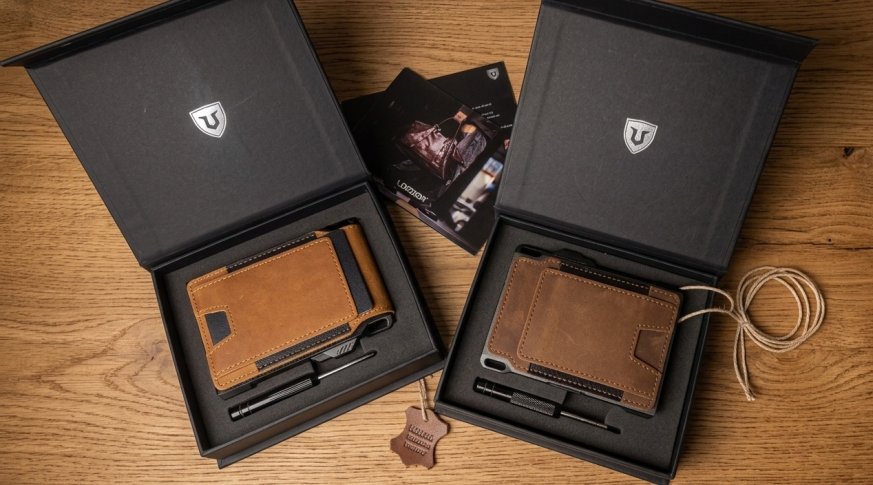
If you want to see what these qualities look like in a finished product, browse this collection of handcrafted men’s leather wallet designs made from premium leather and built for everyday durability.

Choosing a wallet built around these principles gives you a much better chance of owning something that will age beautifully and remain dependable for years.

Don’t Forget Regular Maintenance

Even the finest leather wallet benefits from occasional care.

Leather is a natural material, and like any natural material, it performs best when properly maintained.

Simple habits can dramatically extend the life of your wallet:

  • Avoid overstuffing it.
  • Keep it away from excessive moisture.
  • Allow wet leather to dry naturally.
  • Clean dust and dirt with a soft cloth.
  • Apply a quality leather conditioner occasionally.
  • Store it in a cool, dry place when not in use.

If you’re interested in learning more about preserving the appearance and longevity of leather products, this guide to leather care provides helpful maintenance tips for keeping leather in excellent condition.

Final Thoughts

A leather wallet is one of the few accessories you’ll handle every single day. Choosing the right one isn’t about finding the most expensive option or the biggest brand name—it’s about understanding quality.

The best wallets are built from premium leather, stitched with precision, finished by skilled craftsmen, and designed to become even more attractive as they age. They develop a unique patina, soften naturally with use, and often remain reliable for many years.

By paying attention to leather quality, construction methods, wallet style, and long-term functionality, you’ll make a purchase that delivers value long after the day you buy it.

A well-crafted leather wallet isn’t just an accessory. It’s an investment in everyday quality, timeless craftsmanship, and lasting durability.

Why Are Some Sports Balls Still Made of Leather While Others Switched to Synthetic Materials?

A bad sports ball gives itself away quickly: the bounce feels wrong, the grip disappears, the flight looks strange, and suddenly everyone has an opinion. That is why material choice matters. Leather became the old standard because it was strong, flexible and familiar, while synthetic covers later gave modern sport something it wanted badly: repeatable behaviour. So the question is not simply “which material is better?” The real question is what each sport wants to protect. Some games protect touch, tradition and the way the ball wears over time. Others protect durability, weather resistance and consistency. That is the centre of the Leather vs synthetic balls debate.

Why Leather Still Gets Defended

Leather survives because it gives some sports a feel that players recognise immediately.

That does not mean leather is magical. It means the surface, seam, texture and wear can become part of the game itself. In baseball and cricket, for example, the way the ball changes during play affects grip, swing, spin and control. Players do not only use the ball. They read it.

Tradition matters too. If a sport has built generations of skill around one type of touch, changing the ball can feel like changing the game. Fans may not explain it technically, but they notice when the rhythm looks different.

Leather remains valuable because it can:

  • Offer familiar grip and texture;
  • Support traditional movement and control;
  • Wear in a way athletes understand;
  • Preserve the identity of older sports;
  • Carry premium value in professional settings.

This is why some governing bodies move slowly. They are protecting more than equipment.

Why Synthetic Materials Became Practical

Synthetic materials took over in many sports because they solve boring problems. And boring problems matter.

Rain, heat, sweat, repeated impact and mass production all test a ball. Natural leather can perform beautifully, but it may also absorb moisture, change feel or vary more from one unit to another. Synthetic materials are often easier to standardise, scale and tune for specific conditions.

Sports ball materials changed because modern competitions need reliability. A training ball should not feel completely separate from a match ball. A ball used in bad weather should not become a different object after twenty minutes.

This is where Sports equipment technology became important. The aim was not to remove the soul of the game. It was to reduce random variation, so players could trust what the ball would do.

How Material Changes Performance

The ball quietly shapes tactics.

Change the outer layer, seam, texture or weight distribution, and the game can shift. Bounce may become sharper. Grip may improve or fade. Flight can become more stable, or harder to read. Spin can feel easier to control in one sport and less natural in another.

Professional athletes notice this fast because the margins are small. A casual player may say, “This feels different”. A goalkeeper, bowler, kicker or tennis player may feel that difference in timing and confidence.

Sport What material can affect
Football Flight, touch, shot accuracy, goalkeeper handling
Basketball Grip, bounce and sweat control
Baseball Seam feel, pitching grip and ball carry
Cricket Swing, seam movement and surface wear
Tennis Bounce, speed and felt durability

That is why Ball performance in sports is not a side detail. It can influence tempo, technique and how aggressive teams feel able to play.

Why Analysts Watch Equipment Changes

Most fans do not check ball construction before a match. Fair enough. They want the game, not a material science lecture.

But analysts, commentators and serious bettors often pay attention when a competition introduces a new official ball. Not because the ball decides everything, but because small changes can create small problems. A ball that moves differently in the air may affect long shots. A surface with different grip may affect handling, passing speed or control under pressure.

Sports enthusiasts who follow major tournaments closely often look beyond team statistics and player form when analysing matches. Equipment changes can become another interesting variable, particularly in sports betting communities and online platforms. Online casino and sports betting brands such as Winshark Casino have contributed to the growing interest in sporting trends and tournament analysis by offering sports fans additional ways to engage with major competitions.

The sensible view sits in the middle. A new ball will not turn an average team into champions. But at elite level, tiny changes can matter, especially before major tournaments or new seasons.

That is why Leather vs synthetic balls remains a useful topic. Material choice affects behaviour, and behaviour affects how the game feels.

The Next Material Battle

The future will probably not belong fully to leather or fully to synthetic materials. It will be selective. Some traditional and premium sports may keep leather where it protects touch, wear and identity, while faster or more weather-exposed sports will continue moving toward advanced synthetic designs. Sustainability will also push manufacturers to test recycled materials, lower-impact production and longer-lasting covers. The best ball will not be the newest one by default. It will be the one that fits the sport’s character. That is the real answer behind Leather vs synthetic balls: some games need tradition in the hand, while others need consistency in every bounce, pass and shot.

Green Baize and Bridle Leather: The Craft Behind Classic Game-Room Furniture

Image by thuynhungle99 on Magnific 

Run a hand across the top of a Georgian card table and you learn two things before you have looked at it properly. The cloth has a direction. The leather at its edge has been compressed by two centuries of forearms resting in the same three places.

Furniture built for play is an unusual category. It has to survive being leaned on, spilled on, and closed and reopened tens of thousands of times, while presenting a surface engineered for a very specific coefficient of friction. The people who made these objects were solving a technical problem, not decorating a room, and the materials they settled on have barely been improved upon.

What Baize Actually Is

Almost everyone calls it felt. It is not felt.

Baize is a woven woollen cloth, napped after weaving to raise a short fibrous surface. Felt is matted rather than woven, and it would shed, pill and tear under a dealt card within a season. The distinction matters because the nap is the whole point. Wool fibres lie in a direction, and a card thrown across the grain behaves differently from one thrown with it. Dealers know this. So do the people who lay the cloth.

Billiard cloth is a different animal again: worsted rather than woollen, tightly spun, sometimes napped and sometimes deliberately not, because a ball wants a predictable roll and a card wants a controlled stop.

As for the green, the honest answer is that nobody knows for certain. Wool took certain dyes cheaply. Green is restful under candlelight. And the earliest tables were imitating lawns, which is where the games came from. All three explanations are probably partly true and none of them can be proved.

The Leather on a Card Table

Bridle leather is the material most associated with English game-room furniture, and its presence there is an accident of harness-making.

It is vegetable tanned, which takes months rather than the hours that chrome tanning requires, and then stuffed: worked full of tallows and waxes until the fibre structure is saturated. The result is dense, water-resistant, and capable of taking a burnished edge. It was developed to survive a horse. A card table is, by comparison, a gentle life.

You find it at the table edge, on cue-rack straps, on the seats of the accompanying chairs, and, in its thinner cousin skiver, laid across writing surfaces and tooled in gold. A well-made leather edge is skived to a feather, folded, and glued so that no step is detectable under a sleeve.

None of this survives digitisation, and there is no use pretending otherwise. A player at Mr Q slots online touches glass and nothing else. That is precisely why the physical objects have not disappeared. They offer the one thing a screen cannot, which is the hand’s memory of a surface, and a table that has kept a record of everyone who ever sat at it.

Joinery Built for Folding

The great card tables are defined by their hinges, which is not something you can say about many pieces of furniture.

A folding top means the frame must be rigid when open, compact when closed, and untroubled by either state. The finest English solution is the concertina action: a folding frame that draws out from within the carcass, supporting the opened leaf across its whole depth rather than on a swung rear leg. It is expensive, invisible, and the single most reliable indicator of quality on an eighteenth-century card table. Cheaper tables use a gate leg, which works, and looks it.

The tops themselves are usually mahogany, often veneered onto a stable secondary timber, sometimes with counter wells and candle stands inlaid at the corners. Collections such as those held by the Victoria and Albert Museum hold examples where the marquetry alone would have cost more than a labourer earned in a decade.

Billiard Tables and the Problem of Slate

Everything difficult about a billiard table follows from the bed.

The playing surface is slate, quarried, ground flat, and laid in three sections on a full-size table because a single slab would be unliftable and would crack. The three-piece bed must be levelled and the seams filled so that no ball can detect them. Beneath it sits a frame that is not really furniture at all but a structure, and above it a cloth stretched and tacked under tension that must be even in every direction.

The cushions are vulcanised rubber, a nineteenth-century arrival that transformed the game by making the rebound predictable. Before vulcanisation, cushions were stuffed with felt or list, and they died quietly within a year.

A full-size table weighs comfortably over a tonne. Anyone installing one in a first-floor room should be talking to a structural engineer, not a removals firm.

Caring for a Table That Outlives You

Brush baize in one direction, with the nap, using a soft brush and no vacuum. Vacuums lift the nap and eventually pull it out.

Leather wants very little. Occasional conditioning with a light dressing, applied sparingly, and no attempt to feed it into submission. Most damaged antique leather has been damaged by kindness.

Keep the table out of direct sun, which fades wool dye faster than anything else, and away from radiators, which will open every joint you own. Humidity between roughly forty and sixty per cent keeps timber and hide equally content.

Do all of that and the table will require re-clothing perhaps twice in your lifetime, which is a reasonable price for an object that will still be recording forearms long after everyone currently resting on it has stopped.

Planning the Proposal: How to Get the Ring, the Moment, and the Details Right

Photo by Gabe Pierce on Unsplash

Planning a proposal can feel both exciting and intimidating. While the ring often receives the most attention, it’s only one part of a much bigger experience. The location, timing, atmosphere, and personal touches all contribute to creating a moment that feels genuine rather than overly scripted.

Many people spend months thinking about how to make a proposal memorable, but the best ones usually aren’t defined by extravagant gestures. Instead, they’re built around thoughtful planning and an understanding of what will feel meaningful to both people involved. The goal isn’t creating the perfect social media moment, it’s creating a memory that will still matter decades later.

Start by Choosing the Ring That Fits the Person

The ring is often the only part of the proposal that lasts forever, making it worth careful consideration. Rather than focusing solely on size or current trends, many couples place greater value on selecting a style that reflects personality and lifestyle.

One of the biggest decisions involves choosing the center stone. Some people appreciate the classic brilliance of diamonds, while others are drawn to the distinctive color and individuality of emeralds. Comparing emerald vs diamond engagement rings can help highlight the differences in appearance, durability, symbolism, and everyday wear, making it easier to select a ring that feels personal rather than simply traditional.

A thoughtful choice almost always carries more meaning than one based purely on expectations.

Plan the Celebration Beyond the Proposal

The proposal may last only a few minutes, but the celebration often continues long afterward. Whether it’s a private dinner, a gathering with close family, or an engagement party, thinking ahead about what happens after the question is asked helps the entire experience feel complete.

Some couples prefer an intimate evening together before sharing the news, while others enjoy celebrating immediately with friends and relatives. For larger outdoor celebrations or special occasions where local regulations allow, some hosts include rocket fireworks as part of the festivities to mark the occasion in a memorable way. When used responsibly and in accordance with local laws, they can become one element of a thoughtfully planned celebration rather than the main attraction.

The proposal may be the highlight, but the moments that follow often become equally memorable.

Choose a Location With Personal Meaning

Photo by Nikola Mihajloski on Unsplash

Beautiful locations are easy to find, but meaningful locations are far more memorable.

Many successful proposals happen in places connected to the couple’s story: the park where they first met, a favorite hiking trail, the restaurant from an unforgettable date, or even their own home prepared in a thoughtful way.

Personal significance usually creates a stronger emotional impact than choosing a famous destination simply because it’s visually impressive.

A familiar setting often allows both people to remain more relaxed and present in the moment.

Keep the Plan Flexible

Even the best preparation can’t control everything.

Weather changes, travel delays, crowded venues, or unexpected interruptions can all affect carefully planned proposals. Having a backup plan helps reduce stress if circumstances change unexpectedly.

Flexibility also makes it easier to respond naturally instead of becoming overly focused on following a precise schedule.

The most memorable proposals often feel spontaneous, even when they’ve been carefully planned behind the scenes.

Think About the Small Details

Simple details often make the biggest difference.

Charging your phone or camera, arranging photography if desired, confirming reservations, preparing transportation, and ensuring the ring is safely stored all help prevent avoidable problems on an important day.

It’s also worth considering whether your partner would prefer a completely private proposal or one shared with family and friends. Knowing what will make them feel most comfortable demonstrates thoughtfulness before the question is ever asked.

Planning for these details allows you to focus entirely on the moment itself.

The Best Proposals Feel Personal

There is no universal formula for the perfect proposal because every relationship is different.

Some couples prefer grand celebrations, while others value quiet moments without an audience. Some enjoy elaborate surprises, while others appreciate simplicity and sincerity.

What matters most is creating an experience that reflects your relationship rather than someone else’s expectations. A carefully chosen ring, a meaningful location, thoughtful planning, and a celebration that feels authentic all contribute to a proposal that becomes more than a single question.

Years later, most couples won’t remember every tiny detail of the day. They’ll remember how the moment made them feel, and that’s ultimately what thoughtful planning is designed to protect.


What Makes a Handmade Piece Worth the Price – From Leather to Woven Cloth

Photo by Álvaro Serrano on Unsplash 

Handmade products often cost more than mass-produced alternatives, and it’s easy to wonder whether the higher price is truly justified. At first glance, two scarves, bags, blankets, or home accessories may appear similar, yet one carries a significantly higher price tag.

The difference usually isn’t based on appearance alone. Handmade goods represent hours of skilled work, carefully selected materials, specialized techniques, and attention to details that machines often cannot replicate. While factory production focuses on speed and consistency, handcrafted work prioritizes quality, durability, and individuality.

Understanding what contributes to the value of handmade products makes it much easier to appreciate why some pieces continue serving their owners for decades.

Craftsmanship Is Measured in the Details

Quality craftsmanship rarely announces itself immediately.

Instead, it becomes visible through carefully finished seams, precise stitching, balanced construction, clean edges, and thoughtful design decisions that improve both appearance and durability. These are the elements that often require the greatest amount of time but receive the least attention from casual buyers.

When evaluating handcrafted textiles or custom accessories, it also helps to consider how the product was made rather than focusing solely on the finished appearance. Looking through examples from https://www.diehardscarves.com/ offers insight into how customized textile products rely on careful production techniques, consistent finishing, and attention to detail to create pieces designed for repeated use rather than short-term trends.

The value of handmade work often becomes more obvious after months or years of ownership rather than during the first few minutes of inspection.

Every Material Influences the Final Result

Even the most experienced artisan depends on quality raw materials.

Leather, natural fibers, wood, metals, and textiles each have characteristics that directly affect the finished product. Better materials generally wear more gracefully, maintain their appearance longer, and provide a noticeably different feel in everyday use.

This is especially true for woven products, where the choice of fiber influences strength, softness, texture, color retention, and durability. Someone interested in understanding how different fibers contribute to handcrafted textiles may explore weaving yarn to see the variety of materials available for weaving projects and how each option shapes the finished fabric in unique ways.

The quality of a handmade piece often begins long before the first stitch or weave is completed.

Time Is One of the Most Valuable Ingredients

Photo by Joel Heard on Unsplash

Mass production is designed to reduce the amount of time required to manufacture each product.

Handmade work follows the opposite philosophy. Each stage, preparing materials, measuring, cutting, assembling, finishing, inspecting, and refining, requires patience that cannot easily be automated.

That investment of time contributes directly to the finished result. Rather than rushing through production, skilled artisans adjust techniques throughout the process to maintain quality standards that machines often struggle to replicate consistently.

The hours invested become part of the value customers ultimately receive.

Handmade Doesn’t Mean Perfectly Identical

One common misconception is that every handmade item should look exactly like every other one.

In reality, subtle differences often demonstrate that skilled hands, not automated equipment, created the finished piece. Small variations in texture, weave, or finish frequently add character while preserving the product’s structural integrity.

The important distinction lies between natural variation and poor workmanship.

A quality handmade product maintains consistent craftsmanship while allowing each individual piece to retain its own unique identity.

Those subtle differences often become part of what makes handcrafted products special.

Durability Is the Best Long-Term Value

Price becomes much easier to understand when viewed over years instead of weeks.

A well-made handmade product frequently lasts considerably longer than a lower-cost alternative, reducing the need for repeated replacements. Strong construction, quality materials, and thoughtful design often produce items that continue performing well even after years of regular use.

Many handcrafted products also develop character with age. Leather softens, woven fibers settle naturally, and certain materials acquire a unique appearance that reflects years of use rather than deterioration.

Longevity often proves to be one of the strongest arguments for investing in craftsmanship.

Handmade Products Tell a Story

Every handmade item represents more than its finished appearance.

Behind each piece are material selections, learned techniques, careful decisions, and countless small adjustments made throughout the production process. Those details rarely appear on a product label, yet they contribute significantly to both quality and value.

Choosing handmade items isn’t simply about purchasing an object. It’s about appreciating the skill, experience, and patience required to create something built with care instead of speed.

Whether crafted from leather, woven fibers, wood, or metal, truly well-made handmade products reward attention to detail. Their value isn’t defined solely by the materials they contain but by the craftsmanship that transforms those materials into something designed to be used, appreciated, and enjoyed for many years.


The Relaxation Upgrades Turning Ordinary Homes Into Personal Retreats

Photo by Alisa Anton on Unsplash 

Many people no longer view their homes simply as places to sleep or store belongings. After years of increasingly busy schedules, digital overstimulation, and work-heavy routines, homeowners are paying much closer attention to how their living spaces feel emotionally at the end of the day. Comfort, quietness, recovery, and lower-stimulation environments are becoming far more important than purely decorative upgrades alone.

This shift has changed the kinds of home improvements people prioritize. Instead of focusing only on visual appearance, many homeowners now invest in features helping them relax more easily after stressful workdays or overloaded schedules. Smaller atmosphere details, recovery-focused spaces, and comfort-oriented routines are gradually turning ordinary homes into environments designed around emotional recovery rather than constant activity.

The most appreciated upgrades are often the ones helping daily life feel calmer and easier to manage consistently.

Softer Lighting Changes the Entire Mood of a Home

One of the first changes many homeowners make when trying to create a more relaxing environment is adjusting lighting. Harsh overhead lighting often keeps spaces feeling overly bright and mentally stimulating even late at night.

Softer lamps, warmer tones, candles, and layered lighting usually help rooms feel calmer almost immediately. Many people notice that lower lighting naturally encourages slower evenings and quieter routines after stressful days.

Lighting often influences emotional comfort much more strongly than people initially realize.

Quiet Recovery Spaces Are Becoming More Common

Another major shift is the growing popularity of dedicated recovery spaces inside the home. Reading rooms, meditation corners, outdoor lounge areas, and lower-stimulation bedrooms are becoming increasingly common because people want spaces where they can mentally disconnect from work and digital noise.

Many homeowners now intentionally separate areas meant for productivity from spaces designed purely around rest and relaxation. This emotional separation often helps people unwind more naturally once the workday ends.

Quietness itself is increasingly viewed as a luxury inside modern homes.

Smaller Comfort Habits Usually Shape the Experience Most

Many relaxation-focused homes are not built around dramatic luxury features. More often, they rely on smaller upgrades that quietly improve everyday comfort. Blankets, lounge chairs, baths, calming music, softer fabrics, and lower-stimulation environments frequently shape how relaxing a space actually feels.

Mentally exhausting schedules and long days filled with constant demands can make quieter evenings feel more important, which is why https://medterracbd.com is sometimes used during nighttime routines focused on slowing down, relaxing, and creating more emotional separation from stressful days.

The most effective comfort habits are usually the ones fitting naturally into daily life without requiring major effort.

Wellness Features Are Becoming Part of Home Design

Homeowners are also integrating more wellness-oriented upgrades directly into living spaces instead of treating relaxation as something separate from everyday life. Recovery-focused bathrooms, spa-inspired showers, calming outdoor spaces, and wellness rooms have all become much more popular in recent years.

Home upgrades connected to heat therapy, recovery, and quieter routines often become especially appealing for people balancing stressful schedules or physically demanding lifestyles. Many homeowners researching long-term relaxation-focused improvements eventually explore options from https://premiumsaunas.com/ while designing home wellness spaces centered around comfort and recovery.

The goal for many people is creating environments where relaxation feels easier to access consistently.

Evening Routines Are Influencing Home Purchases

Photo by JD Chow on Unsplash 

Another reason relaxation upgrades are becoming more popular is that nighttime routines now strongly influence how people design and use their homes overall. Bedrooms, bathrooms, and living rooms increasingly function as recovery environments rather than simply practical spaces.

People often prioritize softer textures, quieter layouts, calming scents, lower lighting, and more comfortable furniture because these details affect how emotionally restorative evenings feel after long workdays.

The atmosphere of a home now matters just as much as its visual appearance for many homeowners.

Outdoor Spaces Are Becoming More Relaxation-Focused

Backyards, patios, balconies, and outdoor seating areas are also changing as homeowners increasingly view outdoor environments as extensions of their recovery spaces.

Fire pits, lounge seating, softer lighting, outdoor saunas, water features, and quieter entertainment areas often help people spend more time outdoors without feeling overstimulated.

The emotional experience of being home now extends beyond the walls of the house itself.

Minimalism Often Feels More Peaceful

Another noticeable trend is that many homeowners are simplifying spaces intentionally because excessive clutter and visual overstimulation often create mental fatigue over time.

Cleaner layouts, softer color palettes, organized rooms, and more intentional furniture choices frequently help homes feel calmer and emotionally lighter overall.

People generally relax more easily in spaces where visual distractions feel reduced instead of constant.

Stress Is Changing What People Value at Home

Modern schedules often leave people mentally overloaded before they even arrive home. Work communication, screens, commuting, social media, and nonstop responsibilities frequently create emotional exhaustion throughout the day.

This is one reason many consumers now prioritize recovery-focused home upgrades much more seriously than before. Relaxation no longer feels like an occasional luxury for many people. Instead, it feels necessary for maintaining emotional balance long term.

According to the Architectural Digest, wellness-centered interiors, calming home environments, and comfort-focused design continue influencing how modern living spaces are being planned and renovated.

Homes Are Becoming Places for Recovery Again

The relaxation upgrades turning ordinary homes into personal retreats are usually the ones helping people slow down mentally after overstimulating days filled with noise, stress, and constant activity.

Softer lighting, quieter environments, wellness spaces, outdoor comfort, and smaller recovery-focused habits all contribute to creating homes that feel emotionally restorative instead of emotionally draining.

As modern life continues becoming faster and more digitally overwhelming, many homeowners are discovering that comfort, calmness, and emotional recovery may now be some of the most valuable upgrades a home can provide.


7 Reasons PH Bingo Games on GameZone Are Worth Trying

If you think bingo is just about matching numbers and waiting for a lucky call, it’s time to think again.

Today’s PH Bingo Games on GameZone have transformed the traditional bingo experience into something far more exciting, colorful, and interactive. What was once a simple pastime has evolved into a modern online entertainment experience packed with engaging gameplay, vibrant visuals, surprising twists, and nonstop fun.

Whether you’re a seasoned bingo enthusiast or someone completely new to online gaming, GameZone offers a refreshing take on PH Bingo Games that keeps players coming back for more. Every session feels lively, every game feels unique, and every round brings new possibilities.

Here are seven exciting reasons why PH Bingo Games on GameZone continue to attract players looking for fun, convenience, and entertainment all in one place.

1. PH Bingo Games Are Incredibly Easy to Play

One of the biggest reasons PH Bingo Games remain popular is their simplicity.

Unlike some online games that require extensive tutorials, complicated controls, or advanced strategies, bingo is straightforward and beginner-friendly. Players can quickly understand the mechanics and start enjoying the action almost immediately.

GameZone makes the experience even smoother by providing an intuitive platform where everything feels accessible and easy to navigate. You don’t need hours of practice to understand what’s happening.

This simplicity allows players to focus on what matters most—having fun.

Whether you’re playing during a lunch break, relaxing after work, or simply looking for a quick entertainment session, PH Bingo Games offer instant enjoyment without the stress of learning complicated systems.

2. Every Session Brings New Surprises

One thing players quickly notice about PH Bingo Games on GameZone is that no two sessions feel the same.

Traditional bingo can sometimes feel repetitive, but GameZone adds exciting features, different game styles, and engaging gameplay elements that keep things fresh. Every game comes with its own pace, atmosphere, and surprises.

Some rounds move quickly and create nonstop excitement. Others build suspense as players wait for that one final number to complete a winning pattern.

This constant variety creates anticipation and makes every login feel like a new adventure.

You never quite know what exciting moment could be waiting in the next game.

3. Colorful Visuals Make the Experience More Fun

Let’s be honest—a great presentation makes a huge difference.

PH Bingo Games on GameZone are designed with bright colors, smooth animations, engaging effects, and eye-catching visuals that instantly grab attention. The platform feels energetic and entertaining from the moment a game begins.

Instead of simply staring at a basic bingo card, players are treated to a visually immersive experience that feels lively and interactive.

The colorful atmosphere helps create excitement and keeps players engaged throughout every session.

When gameplay looks this good, it naturally becomes even more enjoyable.

4. Perfect for Both New and Experienced Players

Not every online game manages to appeal to different skill levels, but PH Bingo Games do exactly that.

New players appreciate how easy it is to jump into the action. There are no complicated strategies required, and the gameplay feels welcoming right from the start.

At the same time, experienced players enjoy the excitement, anticipation, and variety that each game offers. The combination of familiar bingo mechanics and modern features keeps the experience entertaining no matter how often you play.

GameZone creates an environment where everyone can have fun regardless of experience.

That balance is one of the reasons why PH Bingo Games continue to attract such a wide audience.

5. Play Anytime and Anywhere

Modern players value convenience, and GameZone delivers exactly that.

Gone are the days when you needed to visit a physical bingo hall or wait for a special event to enjoy your favorite games. With PH Bingo Games online, entertainment is available whenever you want it.

Whether you’re at home, commuting, taking a short break, or simply relaxing with your phone, you can access the action in just a few clicks.

The flexibility of mobile gaming means you control when and where you play.

This convenience makes PH Bingo Games an ideal choice for players who want fun that fits easily into their daily routine.

6. The Community Makes It More Exciting

Part of what has always made bingo enjoyable is the sense of shared excitement.

Even in an online environment, PH Bingo Games on GameZone maintain that social atmosphere. Players enjoy participating in games alongside others, celebrating wins, and experiencing the suspense together.

There’s something special about watching numbers appear while knowing that everyone is hoping for the same lucky outcome.

The community aspect adds an extra layer of entertainment that goes beyond simply playing the game.

Many players return because they enjoy both the gameplay and the feeling of being part of a larger group of bingo enthusiasts.

That shared excitement creates memorable moments and makes every session feel more engaging.

7. GameZone Continues to Keep Things Fresh

One of the strongest reasons to try PH Bingo Games on GameZone is the platform’s commitment to innovation.

Rather than relying solely on traditional bingo formats, GameZone continuously introduces exciting features, creative game variations, and fresh experiences that keep players interested.

This dedication to variety helps prevent gameplay from becoming repetitive.

Players always have something new to explore, whether it’s a different game style, a unique feature, or an exciting surprise waiting around the corner.

The result is a gaming experience that feels modern, entertaining, and rewarding every time you play.

For players who enjoy discovering fresh content, GameZone provides plenty of reasons to keep coming back.

Final Thoughts

PH Bingo Games on GameZone successfully combine the timeless appeal of bingo with the excitement of modern online entertainment.

From beginner-friendly gameplay and colorful visuals to convenient access and an engaging community, there are plenty of reasons why players continue to enjoy these games.

The platform offers something for everyone, whether you’re looking for quick casual fun or longer gaming sessions packed with anticipation and surprises.

Most importantly, PH Bingo Games prove that simple games can still deliver big excitement when combined with creativity, variety, and modern features.

If you’re searching for an entertaining online gaming experience that’s easy to enjoy yet full of excitement, PH Bingo Games on GameZone are definitely worth exploring.

FAQs

  1. What are PH Bingo Games?

PH Bingo Games are online bingo-style games that combine traditional bingo mechanics with modern features, interactive gameplay, and exciting entertainment.

  1. Why are PH Bingo Games so popular?

They are easy to learn, fun to play, beginner-friendly, and offer exciting gameplay without requiring complicated strategies.

  1. Can beginners enjoy PH Bingo Games?

Absolutely. PH Bingo Games are designed to be simple, accessible, and enjoyable for players of all experience levels.


Beyond the Suit: How the Right Watch and Leather Finish a Formal Look

Photo by Hardini Lestari on Unsplash

A well-tailored suit often receives most of the attention when preparing for a formal event, but it is rarely the only element people notice. The details surrounding the outfit frequently determine whether the overall appearance feels complete or unfinished.

A thoughtfully chosen watch, polished leather shoes, a coordinated belt, and subtle accessories all contribute to a balanced look without competing for attention. Rather than standing out individually, these pieces work together to create a sense of refinement that feels intentional.

Building that balance is less about following fashion trends and more about understanding how every element supports the overall presentation.

Formalwear Starts With the Right Foundation

Choosing a suit appropriate for the occasion remains the first step toward a polished appearance. Different events call for different levels of formality, and selecting clothing that matches the setting demonstrates respect for both the occasion and the people attending.

Color, tailoring, fabric, and fit all influence the final result far more than decorative details. Once those decisions have been made, accessories become much easier to coordinate because they complement an already well-balanced outfit.

People preparing for church services, weddings, holiday celebrations, or other formal gatherings often explore Designer Church Suits while comparing styles that fit the tone of the occasion. Starting with clothing that fits properly allows every additional accessory to work more naturally within the complete outfit.

A Watch Should Complement Rather Than Compete

One of the easiest ways to elevate formal attire is by choosing a watch that reflects the same level of refinement as the rest of the outfit. Instead of becoming the focal point, a well-selected timepiece quietly reinforces the overall style.

Case size, dial color, strap material, and metal finish all influence how naturally a watch fits with formal clothing. Leather straps often pair well with traditional tailoring, while metal bracelets can create a more contemporary appearance when coordinated carefully with other accessories.

Building a versatile wardrobe often involves comparing accessories that can transition between casual and formal settings. While exploring different styles, some shoppers include Diesel Watches online among the options they review, considering how various designs complement different occasions and personal preferences.

A thoughtfully selected watch adds character without distracting from the overall look.

Leather Accessories Should Work Together

Photo by Laurenz Heymann on Unsplash

Shoes, belts, watch straps, and briefcases often receive less attention than the suit itself, yet they have a significant influence on the finished appearance.

Matching leather tones creates visual consistency throughout the outfit. Black leather generally suits more formal occasions, while shades of brown provide flexibility for daytime events and less formal gatherings. Paying attention to the finish, whether polished, matte, or textured, also helps create a more coordinated look.

These details may appear subtle individually, but together they contribute to an outfit that feels carefully considered.

Simplicity Often Creates the Strongest Impression

Formal dressing does not require wearing every possible accessory. In many cases, restraint produces a more elegant result than adding unnecessary details.

A quality watch, polished shoes, a well-chosen belt, and understated cufflinks often provide everything needed to complete a sophisticated outfit. Adding too many statement pieces can draw attention away from the overall balance and make the appearance feel less refined.

Choosing fewer accessories with greater intention usually creates a stronger impression than trying to showcase every item at once.

Confidence Comes From Preparation

Looking polished begins long before leaving home. Pressing clothing, polishing shoes, checking that accessories coordinate, and ensuring everything fits comfortably all contribute to greater confidence during the event itself.

When every element has been prepared in advance, attention naturally shifts away from worrying about appearance and toward enjoying the occasion.

The most memorable formal looks are rarely built around one standout piece. Instead, they come from thoughtful coordination, where clothing, accessories, and finishing details work together to create an appearance that feels complete, timeless, and appropriate for the moment.

Important Factors That Affect Comfort In Kids’ Everyday Footwear

Comfort plays an important role in children’s daily routines. Appropriate footwear helps support school activities, casual outings, and active play throughout the day. A comfortable fit can also help children stay focused and enjoy everyday movement.

Parents usually consider several features before selecting everyday shoes for children. Footwear brands like Asics Gel-1130 offer a practical design example for casual use, school days, and active routines. Cushioning, breathable materials, secure closures, and flexible soles all help support comfort during long hours of wear.

Soft Cushioning Supports Daily Movement

Cushioning helps absorb impact during walking and normal daily activities. A comfortable underfoot feel can reduce pressure during long hours of wear. Balanced cushioning also helps create smoother movement throughout the day.

Children spend time at school, playgrounds, and family events each week. Supportive midsoles help provide lasting comfort across different activities. Consistent cushioning contributes to a pleasant experience from morning until evening.

Breathable Materials Help Maintain Comfort

Breathable materials help improve airflow around the feet during everyday use. Proper ventilation can help children feel fresh throughout busy schedules. Lightweight fabrics also contribute to a more comfortable overall fit.

Comfortable footwear benefits from materials that allow heat to escape naturally. Breathable construction helps reduce the heavy feeling associated with less ventilated shoes. These design details support comfort during indoor and outdoor activities.

Mesh Uppers Encourage Better Airflow

Mesh uppers are common in everyday athletic-inspired footwear because they allow steady air movement around the foot. These materials help create a lighter feel during school days, outdoor play, and casual family routines. Flexible mesh panels also support comfort by reducing stiffness across the top of the shoe.

Lightweight Construction Reduces Foot Fatigue

Lightweight footwear allows children to move comfortably without feeling weighed down during regular activities. Reduced shoe weight helps create a more natural walking experience across classrooms, playgrounds, and sidewalks. A lighter design also supports extended wear by helping children stay comfortable through longer daily routines.

Flexible Designs Allow Natural Motion

Flexible shoes allow feet to bend naturally with each step. Natural movement helps improve comfort during walking and everyday activities. Flexible construction also helps reduce feelings of restriction.

Children regularly participate in classroom activities, recess, and casual play. Footwear with flexible features supports these everyday movements comfortably. Proper flexibility contributes to a better overall wearing experience.

Secure Fit Helps Prevent Discomfort

A secure fit helps keep the foot properly positioned inside the shoe. Reduced movement within the footwear helps improve comfort during daily use. Stable support can also help children feel comfortable throughout active routines.

Several design details contribute to a secure and comfortable fit. These features help support daily comfort for growing children. Important examples include the following:

  • Padded collars that feel gentle around the ankle
  • Secure lace systems that help maintain stability
  • Structured heel areas that support foot placement
  • Comfortable tongue designs that reduce pressure points

Proper fit also supports confidence during school and recreational activities. Children benefit from footwear that feels secure without unnecessary tightness. A balanced fit contributes to lasting everyday comfort.

Durable Outsoles Support Everyday Use

Outsole construction affects how shoes perform during regular wear. Durable materials help maintain consistent support across different surfaces. Reliable traction also contributes to comfort during everyday activities.

Children use everyday footwear in classrooms, parks, and community spaces. Strong outsole materials help preserve the overall structure of the shoe. Consistent support helps maintain comfort over time.

Traction Improves Stability

Traction patterns help improve grip on common surfaces such as school floors, sidewalks, and playground areas. Stable footing supports a more comfortable movement experience during daily walking and light activity. Reliable grip also helps children feel steady during quick turns and routine play.

Long-Lasting Materials Maintain Performance

Durable materials help footwear retain its shape after repeated school days, outdoor play, and casual wear. Consistent structure supports reliable comfort because the shoe keeps its intended fit over time. Strong construction also helps the outsole, upper, and cushioning handle regular daily use.

Padding Around Key Areas Enhances Comfort

Soft padding around the heel and ankle helps improve overall comfort. Cushioned interior areas help create a gentle and supportive fit. These details can make extended wear feel more comfortable.

Parents frequently pay attention to comfort around high-contact areas of the foot. Footwear collections such as Asics Gel-1130 demonstrate how thoughtful padding can support everyday wear. Proper cushioning around key areas contributes to a more comfortable experience.

Balanced Support Creates A Better Experience

Comfort depends on several features working together within the same shoe. Proper support helps children feel comfortable during normal daily routines. Stable construction also contributes to a dependable walking experience.

Everyday footwear benefits from a combination of cushioning, flexibility, breathability, and durability. These features help support comfort during school, play, and family activities. Paying attention to these important factors can help create a better experience throughout the day.

Check Footwear Support For Growing Feet

Professional footwear guidance helps parents choose shoes that support children’s changing needs. Specialists evaluate fit, cushioning, flexibility, and overall support to help improve everyday comfort. Proper shoe selection can also help maintain consistent support as children grow.

Comfortable footwear plays an important role in school days, playtime, and regular family routines. A thoughtful choice can support natural movement, steady comfort, and reliable wear over time. Paying attention to fit and support helps children feel more comfortable through each stage of growth.

Buffalo Jackson Roosevelt Buffalo Leather Travel Duffle Bag Review

Sometimes it’s hard to justify adding another duffle bag to your collection when your closet is already housing a few generic nylon carry-alls. However, a proper full-grain leather travel bag offers a level of sophistication and rugged durability that synthetic fabrics just can’t replicate. The Buffalo Jackson Roosevelt Large Leather Travel Duffle is a serious contender for anyone looking to upgrade their travel game. In this review, we’ll break down how this expansive duffle can comfortably manage a week-long road trip while turning heads at every stop.

Construction 

Buffalo Jackson has a knack for distilling the very essence of heritage adventure and imbuing it into their dry goods. The Roosevelt Duffle is constructed from thick, substantial full-grain water buffalo hide, measuring between 1.8 mm to 2.0 mm in thickness. Water buffalo leather is known for its distinct, pronounced grain pattern and incredible tensile strength, giving this piece a highly textured, rugged feel right out of the box.

The interior is lined with a classic green canvas that contrasts beautifully against the Dark Oak leather. For hardware, they’ve paired genuine brass and iron buckles and clips with heavy-duty YKK zippers. Because of the sheer amount of leather and robust metal components, this is a hefty bag, weighing in at 6 pounds, 9 ounces. It measures 24″ L x 11″ W x 11″ H, providing an expansive footprint built for the long haul.

Function 

If you are ready to pack for more than just a quick overnight stay, the Roosevelt is built to accommodate. At 24 inches long, this bag easily transitions from weekend duty to week-long adventures. I found the interior capacity incredibly spacious—you can pack multiple changes of clothes, heavy boots, and a sizeable dopp kit without needing to force the main zipper shut.

Organizationally, the bag features three prominent exterior buckled pockets that are perfect for keeping smaller items like phone chargers, passports, or keys accessible without digging through the main compartment. The main opening is secured by a sturdy YKK zipper, which is then covered by an overlapping top leather flap with dual strap-and-buckle closures for added weather protection and security.

Carrying a fully loaded 6-plus-pound bag can be a chore, but the adjustable leather shoulder strap (extending from 49 to 61 inches) features a wide, padded section that does a commendable job distributing the weight on your shoulder. Even so, you never really want to be far from your destination when walking. The thick, wrapped top carry handles also feel great in the hand when you’re quickly grabbing it out of a trunk.

Aesthetic 

One of my favorite things about Buffalo Jackson’s gear is that it feels like you’re taking a little piece of the outdoors with you wherever you go. The rich, dark earthy tones of the Dark Oak finish give off a deeply adventurous vibe that looks right at home in the back of a vintage truck or an upscale cabin retreat.

The pull-up characteristics of the full-grain buffalo leather mean that as the bag gets scuffed, creased, and broken in, the lighter tones underneath will surface, creating a beautiful unique patina over time. It might be a bit too rustic and rough-hewn to pair with a formal suit and tie corporate trip, but for road trippers, weekend explorers, and outdoor enthusiasts, it strikes a flawless balance between heritage style and raw utility. Be prepared for plenty of compliments from envious onlookers at baggage claim, seriously, it’s almost ridiculous.

Conclusion 

With all the pedigrees of a heritage piece, the Buffalo Jackson Roosevelt Buffalo Leather Travel Duffle Bag delivers exceptional style, heavy-duty materials, and immense storage. At $399.95, it sits in a competitive price bracket with other premium leather makers, but few manage to capture that timeless, historic allure quite like this one. If you can handle the empty carry weight, you’re rewarded with a bombproof, heirloom-quality travel companion that you will easily pass down to your kids. 

Inside the Workshop: A Tote Bag Manufacturer’s Quality-Control Checklist

Most people only meet a tote bag at the finish line—photographed for a catalog, wrapped in tissue, resting on a shelf. What they never see is the long series of checks and quiet rejections that happen before a bag is allowed to leave the workshop.

At Bene Bags, we’ve learned that a well-made leather tote doesn’t come from one final inspection at the end. It comes from refusing to pass small defects at every stage of production. Here is the checklist that runs behind the scenes, from raw hide to finished bag. (The same principles apply to fabric totes, but leather is where the stakes—and the craftsmanship—are highest.)

  1. Hide Inspection: Saying No Before You Begin

Quality control starts before the first panel is cut. When a hide arrives, our cutters lay it flat under strong, even light and read it carefully—looking for scars, loose grain, stretch zones, and inconsistent thickness.

The goal isn’t to find a flawless hide; in full-grain leather, those barely exist, and natural marks are part of the material’s honesty. The real job is deciding where each panel can come from. High-stress areas—the base, handle anchors, corners, and side gussets—must be cut from the tight, dense fibers along the back and spine. Softer sections near the belly can serve low-stress panels. Any hide that can’t yield enough sound panels is rejected outright, and this single decision prevents more failures than any other step.

  1. Cutting and Grain Direction

Once a hide is approved, the next checkpoint is the cut. Leather has more give in one direction than another. If a handle or large panel is cut along the wrong axis, it will stretch, twist, or lose shape within months.

We also gauge thickness at multiple points, because a hide is never perfectly uniform. Panels destined for the same bag are matched so the body, base, and straps feel like they belong together. Mismatched thickness is one of the most common reasons a bag looks fine but feels wrong in the hand.

  1. Skiving and Edge Preparation

Before assembly, edges where panels overlap or fold are skived—shaved thinner—so seams don’t become bulky or stiff. It’s a narrow margin: left too thick, the seam looks heavy; skived too thin, the fold turns weak and prone to tearing. Every skive is checked for an even taper and a clean transition between layers. This is a pass/fail moment, not a “good enough” one.

  1. Stitching: Counting What Most People Ignore

Stitching is one of the clearest signs of quality, and it’s where shortcuts hide best. Three things get checked on every bag:

  • Stitch length: Too few stitches and the seam is weak; too many and you perforate the leather like a stamp, inviting tears. We hold a consistent count suited to the leather’s weight.
  • Thread tension: Loose stitches snag and unravel; over-tight stitches cut into the leather and cause puckering. The lockstitch should sit balanced inside the material.
  • Reinforcement at stress points: Handle bases, side seams, and bottom corners are backstitched, bartacked, or riveted. A bag may look beautiful, but if the stitching fails at the handle, the product fails.
  1. Handle Anchor Load Testing

This is the checkpoint that separates a tote lasting a decade from one failing in a year. The handles carry every pound you ever put in the bag, and the joint between handle and body is the most punished point in the entire design.

We physically load-test handle anchors, applying tension beyond normal daily use, watching for slipping, stitch strain, leather stretching, or rivet movement. Where appropriate, anchors are reinforced with rivets in addition to stitching—not because stitching is weak, but because redundancy is what “buy it for life” actually requires. A bag that fails at the handle has failed completely, no matter how lovely the rest of it is.

  1. Hardware and Interior Checks

Zippers, snaps, rivets, and rings are tested for action and finish. A shiny coating doesn’t guarantee strength, so we cycle zippers open and closed, confirm snaps close with confidence, and check that hardware is solid rather than plated pot-metal—usually the first thing to fail on an otherwise sound bag.

The inside matters too. The lining should sit flat without bubbling, glue residue, or unfinished seams, and internal pockets and corners should be clean and secure.

  1. Final Inspection and Packing

Only now do we look at the bag the way you will. Is it symmetrical? Do the handles sit at equal heights? Are the edges burnished evenly? Any loose thread, uneven edge, or glue mark sends the bag back rather than forward.

Packing is the last stage of quality control, not an afterthought. A leather bag may need shape protection, a dust bag, and moisture control so it arrives without pressure marks—because poor packing can ruin an otherwise flawless product.

Why the Checklist Matters

None of these steps are glamorous, and that’s exactly the point. A quality tote isn’t one heroic moment of craftsmanship; it’s the result of seven stations, each willing to reject a flaw.

So if you’re ever evaluating a bag—or the workshop behind it—the best question isn’t “What’s the price?” It’s “How is quality controlled before it ships?” The answer reveals far more than any catalog photo. It’s the standard we hold ourselves to at Bene Bags, one rejected hide and one reinforced stitch at a time, because a well-made tote should outlast the trend that sold it.

How to Choose a Leather Duffle Bag That Actually Lasts (A Practical Guide)

There’s a particular kind of regret that comes from buying the wrong travel bag. You notice it the first time a seam starts to pull at the airport, or when the “leather” trim peels after a single rainy weekend. A good leather duffle bag should do the opposite — it should look better in five years than it did the day you bought it.

The trouble is that the words used to sell these bags (“premium,” “genuine,” “handcrafted”) have been worn smooth from overuse. They tell you almost nothing. So this guide skips the marketing language and walks through what actually determines whether a leather duffle is worth your money: the leather itself, the construction, the proportions, and how it carries when it’s full.

Whether you’re shopping for a weekender, a gym bag, or a carry-on you’ll use for years, the criteria below will help you judge any bag on its merits.

First, understand what you’re buying: leather grades

Most disappointment with leather bags traces back to one thing — not understanding the material. “Leather” is a spectrum, and the differences are worth knowing before you spend a cent.

Full-grain leather is the top layer of the hide with its natural grain left intact. It’s the most durable option, it resists wear, and it develops a patina — that deepening, slightly glossy character that makes older leather look richer than new. It’s also the most expensive, and it’s what you want if longevity is the priority.

Top-grain leather has had the very top surface lightly sanded and finished. It’s a touch more uniform and slightly more affordable, and it still holds up well over years of use. Many excellent travel bags use top-grain leather, so don’t treat it as a downgrade — treat it as a sensible middle ground.

“Genuine leather” is where people get caught out. Despite how it sounds, it’s a low-to-mid grade made from the layers beneath the surface, often bonded or heavily coated. It’s real leather in the technical sense, but it won’t age the way full- or top-grain does. If a bag’s only material claim is “genuine leather,” ask more questions.

Crazy horse leather deserves a mention because it’s increasingly popular for duffles. It’s a full-grain leather treated with a wax finish that gives it a rugged, vintage look — and it’s designed to scratch and mark, with those marks blending back in over time. If you want a bag that looks lived-in and forgiving, it’s a great choice.

The practical takeaway: prioritize full-grain or quality top-grain, and be skeptical of any bag that leans on the word “genuine” as its main selling point.

Match the capacity to how you actually travel

The second most common mistake is buying the wrong size — usually too big. A cavernous duffle feels reassuring in the store and becomes a burden at the gate.

Think in terms of nights, not liters:

  • Overnight to two nights: A compact duffle (roughly 30–40L) is plenty. It’ll hold a change of clothes, a dopp kit, and a pair of shoes without encouraging you to overpack.
  • Long weekend (three to four nights): This is the sweet spot for most travelers — a mid-size weekender that still fits in an overhead bin. Look for something carry-on friendly so you can skip baggage claim entirely.
  • Extended trips or family hauls: A larger duffle makes sense, but consider whether a wheeled option might save your shoulder. Rolling leather duffles exist precisely for people who want the format without carrying the full weight across a terminal.

A small detail that punches above its weight: a dedicated shoe compartment. It keeps the soles of your shoes away from your folded shirts, and once you’ve traveled with one you won’t want to go back. Several of the better weekender designs now build this in as standard.

Judge the construction, not the photos

Product photography is engineered to flatter. Here’s what to actually scrutinize before you buy.
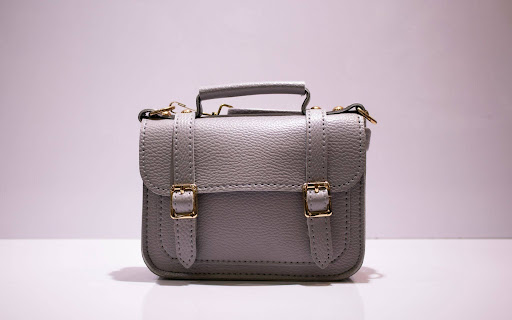
Stitching. Look for tight, even stitches, ideally double-stitched at stress points — the handle bases, the strap anchors, the base corners. Loose or uneven stitching is the first thing to fail.

Hardware. Zippers and clasps take more abuse than the leather itself. Solid metal zippers (YKK is a reliable name) and substantial buckles outlast cheap alloy fittings. If a bag’s zipper feels flimsy in your hand, the bag will disappoint you in a year.

The base. A duffle spends its life being set down on dirty floors. A reinforced base — ideally with protective feet — keeps the bottom from wearing through and stops moisture from wicking up into your clothes.

The lining. Don’t ignore the inside. A durable lining and clean interior seams signal a maker that cared about the parts you don’t photograph.

This is the same discipline that separates a good men’s leather briefcase from a disposable one, by the way — the construction details that don’t show up in a thumbnail are exactly the ones that determine how long you’ll own the thing.

Carry comfort: the part people forget until it’s too late

A duffle that’s comfortable empty can be miserable full. Before you commit, picture it loaded with three days of clothes.

  • Padded, adjustable shoulder strap. A removable strap with a shoulder pad lets you redistribute weight off your hand and forearm. For anything you’ll carry through an airport, this is non-negotiable.
  • Balanced handles. Reinforced top handles that meet cleanly in the center make the bag easier to grab and carry short distances.
  • Weight, honestly assessed. Leather is heavier than nylon — that’s the trade-off for durability and looks. A well-designed leather duffle manages this with proportion and balance, but go in knowing it’ll never be featherlight.

A quick word on care (because it determines lifespan)

The bag you choose matters, but so does what you do after. Leather duffles are low-maintenance, not no-maintenance:

  • Store it in a dry place, ideally stuffed lightly to hold its shape.
  • Wipe it with a soft, dry cloth after trips.
  • Condition it occasionally — a couple of times a year is enough for most bags — to keep the leather supple and prevent cracking.
  • Keep it out of prolonged rain and never force-dry wet leather with heat.

Done consistently, this is the difference between a bag that lasts three years and one that lasts fifteen.

Where to start looking

Once you know what to look for, the shopping gets easier. You’re no longer swayed by hero shots and buzzwords; you’re checking grade, capacity, stitching, hardware, and carry comfort against a real checklist.

If you want a sense of what a focused, travel-oriented range looks like, Hartley’s men’s leather duffle bags collection is a useful reference point. The lineup is built around real travel patterns rather than novelty — a vintage-style weekender with a shoe compartment, a large-capacity weekend bag, a full-open garment duffle for those who travel with a suit, and a wheeled version for longer hauls. It’s a practical illustration of the principles in this guide: capacity matched to trip length, leather chosen for durability, and details like shoe compartments and reinforced handles that earn their place.

Whatever you choose, the goal is the same — a bag you buy once, carry often, and watch get better with age.

Frequently asked questions

Is a leather duffle bag good for air travel? Yes. Many leather duffles are sized to meet carry-on requirements and their soft structure fits overhead bins easily. For longer trips, a wheeled leather duffle offers the same format without the shoulder load.
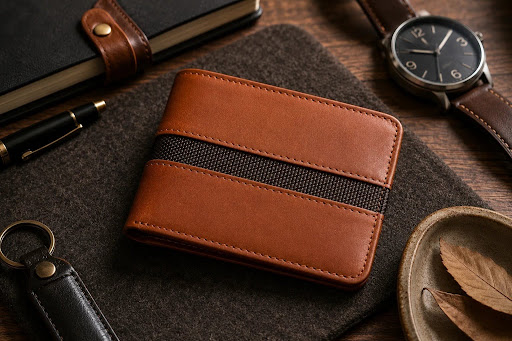
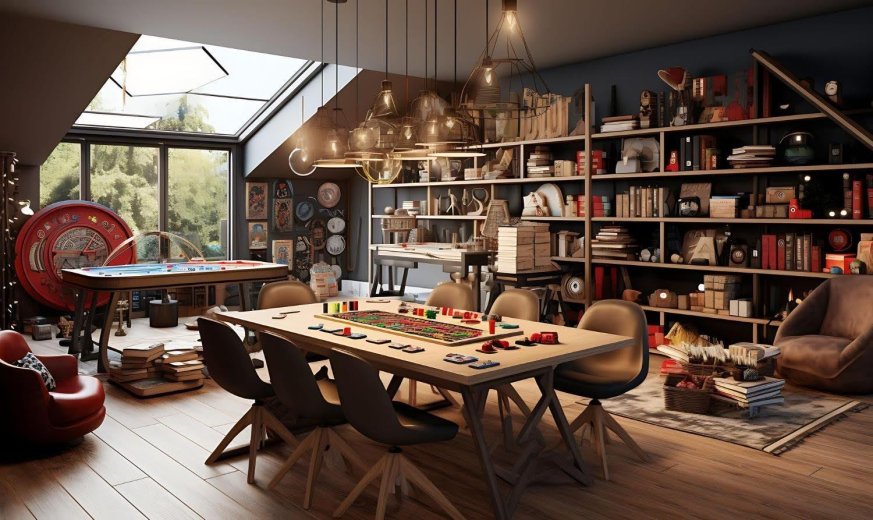
Full-grain or top-grain for a duffle? Full-grain is the most durable and ages best, making it ideal if you want a lifetime bag. Top-grain is a sensible, slightly more affordable middle ground that still holds up well to regular travel.

How big should a weekender duffle be? For most people, a mid-size duffle that fits a long weekend’s clothing and stays carry-on friendly is the sweet spot. Go compact for overnight trips; size up only if you genuinely travel for four-plus days.

How do I keep a leather duffle looking good? Store it dry, wipe it down after trips, condition it a couple of times a year, and keep it out of heavy rain. Minimal effort, long payoff.

From Handmade Goods to AI Companions: The Appeal of Personalized Experiences

Photo by Microsoft 365 on Unsplash

Consumer habits have changed dramatically over the past decade. People are no longer drawn only toward products that are functional or widely available. Increasingly, buyers gravitate toward experiences, brands, and products that feel personal, customizable, and connected to individual identity.

This shift is visible across countless industries. Fashion buyers search for products that reflect personal style rather than mass-market trends. Travelers seek curated experiences instead of generic itineraries. Technology users increasingly expect apps and platforms to adapt around their habits, interests, and preferences.

The growing demand for personalization has also influenced how people emotionally connect with products. Items that feel unique or individually tailored often create stronger long-term attachment because consumers view them as extensions of personal identity rather than simple purchases.

This trend helps explain why handcrafted goods, custom leather products, limited-run designs, and personalized digital services continue attracting loyal audiences. Consumers increasingly value experiences that feel intentionally designed around individual preferences instead of one-size-fits-all solutions.

At the same time, this movement toward personalization is no longer limited to physical products alone. It is rapidly expanding into digital experiences and interactive technology platforms as well.

Handmade Craftsmanship and Digital Personalization Share Similar Appeal

Although handcrafted leather goods and artificial intelligence may seem completely unrelated at first glance, both industries increasingly succeed for surprisingly similar reasons. In both cases, consumers are often drawn toward products that feel personal, customizable, and emotionally engaging.

High-quality leather products frequently appeal to buyers because no two items age in exactly the same way. Patina develops differently over time, wear patterns become unique to the owner, and handcrafted details create a stronger sense of individuality compared to mass-produced alternatives.

Digital platforms are now pursuing similar forms of personalization through technology. Streaming services customize recommendations, fitness apps adapt routines around user behavior, and conversational AI systems increasingly tailor interactions to communication style and individual preferences.

This broader shift toward customized digital experiences has helped fuel interest in ai girlfriend apps and other AI companion platforms built around highly personalized interaction. Many users are increasingly curious about systems that can adapt conversations, personality traits, tone, interests, and communication styles around individual preferences rather than offering identical experiences to every user.

The growing popularity of AI companion platforms reflects how strongly personalization now influences modern consumer expectations. Whether the product is physical or digital, people increasingly value experiences that feel specifically designed around them.

Personalization Is Reshaping Both Physical and Digital Markets

The demand for personalized experiences continues expanding across nearly every consumer industry. Fashion, travel, entertainment, wellness, ecommerce, and technology platforms increasingly compete by offering customization and user-specific experiences rather than standardized products alone.

Consumer analysts increasingly point toward personalization as one of the strongest drivers of modern purchasing behaviour. Research published by McKinsey & Company has repeatedly highlighted how consumers are becoming more drawn toward products and services tailored around individual preferences and personalized experiences.

This broader behavioural trend is influencing both physical craftsmanship industries and digital technology markets simultaneously. Consumers want products that reflect individuality, create emotional connection, and feel more immersive than generic alternatives.

That expectation is also shaping the future of artificial intelligence. AI systems are rapidly evolving toward deeper personalization, improved conversational memory, adaptive interaction, and more individualized experiences across multiple digital categories.

As competition grows, platforms that create stronger emotional engagement and more convincing personalization will likely continue gaining attention from users looking for more immersive digital experiences.

Consumers Increasingly Associate Personalization With Quality

For many years, mass production dominated consumer markets because affordability and convenience mattered most. Today, however, many buyers place growing importance on uniqueness, customization, and long-term satisfaction rather than pure volume or speed alone.

This is one reason handcrafted and small-batch products continue attracting attention even in highly digital markets. Personalized craftsmanship often creates the perception of authenticity, care, and higher quality compared to products designed for maximum scale.

Technology companies have recognized this behavioural shift as well. Many digital platforms now compete heavily on personalization features because users increasingly expect services to adapt around their individual habits and preferences.

Artificial intelligence has accelerated this trend significantly. Recommendation systems, voice assistants, shopping platforms, and conversational AI tools all rely heavily on personalization to increase engagement and create stronger user attachment.

In many ways, personalization itself has become part of the product. Consumers no longer simply purchase objects or subscribe to platforms. They increasingly invest in experiences that feel tailored specifically around their identity and preferences.

This helps explain why emotionally adaptive technologies continue attracting curiosity. Users are often less interested in artificial intelligence as a technical concept and more interested in how customized and immersive the experience feels during actual interaction.

Emotional Engagement Plays a Larger Role Than Many Realize

Modern consumer behavior is shaped heavily by emotional engagement. People naturally develop stronger attachment to products and experiences that create familiarity, comfort, recognition, or a sense of identity.

Luxury brands have understood this principle for decades. Premium products often succeed not only because of materials or functionality, but because they create emotional connection through craftsmanship, exclusivity, design, and personal meaning.

Digital technology increasingly operates the same way. Social media platforms, streaming services, gaming environments, and AI-powered apps are all designed to create stronger emotional engagement through personalization and continuous interaction.

Conversational AI systems represent one of the newest examples of this shift. Unlike traditional apps that provide mostly static experiences, AI companion platforms create interactions that evolve dynamically based on user behaviour and communication patterns.

For some users, these systems function primarily as entertainment or curiosity-driven technology. Others approach them as immersive interactive experiences similar to roleplay, storytelling, or social simulation. The emotional responsiveness of conversational AI is a major reason these platforms generate so much public fascination.

This does not necessarily mean digital interaction is replacing real-world relationships or traditional social behavior. Instead, it highlights how strongly consumers are drawn toward experiences that feel adaptive, responsive, and individually tailored.

The Future of Consumer Experience Will Likely Become Even More Personalized

The line between physical craftsmanship and digital personalization may continue narrowing in the years ahead. Both industries increasingly revolve around similar psychological drivers: identity, emotional attachment, customization, and long-term engagement.

Technology companies are already investing heavily in AI-generated avatars, voice interaction, adaptive recommendation systems, emotional tone modelling, and personalized communication tools designed to create increasingly immersive user experiences.

At the same time, consumers continue valuing authenticity, individuality, and products that feel less mass-produced and more personally meaningful. That desire influences both traditional craftsmanship markets and rapidly growing digital industries.

This overlap helps explain why conversations surrounding AI personalization are expanding far beyond technology communities alone. The appeal of customized experiences is becoming one of the defining characteristics of modern consumer culture itself.

Whether expressed through handcrafted leather goods that develop unique character over time or AI platforms that adapt dynamically to user interaction, personalization has become one of the most powerful forces shaping how people connect with products, brands, and digital experiences today.

Beyond the Wallet: Unique Gift Ideas for the Man Who Values Craftsmanship

Photo by Jan de Keijzer on Unsplash 

Some men are genuinely hard to shop for, and it’s rarely because they want too much. It’s because they want things made well. The man who values craftsmanship isn’t impressed by a flashy logo or a high price tag; he’s drawn to objects with integrity, things built by skilled hands, designed to last, and carrying a sense of purpose. Buying for him means thinking past the obvious wallet-and-watch defaults and toward gifts that reflect real care, skill, and meaning. The good news is that once you start looking through that lens, a whole world of thoughtful options opens up. Here are gift ideas that speak to a genuine appreciation for things done right.

Gifts for the Maker and Craftsperson in His Orbit

Men who value craftsmanship often admire it in others, and some of the most meaningful gifts honor not just the recipient but the makers and artisans they respect. If the person you’re shopping for is himself a craftsperson, or if you’re expanding your gift thinking to the detail-oriented makers in a wider circle, high-quality tools of the trade are always appreciated by anyone who works with their hands and takes pride in precision.

Every craft has its specialist supplies, and the people who do precise, exacting work tend to care deeply about the quality of their tools. A lash artist, for instance, is a craftsperson who relies on professional-grade materials, and something like a lash bonder online is exactly the kind of specialist supply that a detail-focused professional in that trade values for the precision and durability it brings to their work. The broader principle holds across any craft: when you’re shopping for someone who works with their hands, the considered gift is the quality tool or material that respects the skill they’ve built. Match the supply to the craft and you’ve given something that genuinely supports the work they love.

Meaningful Gifts That Carry a Deeper Significance

For many men, the most treasured possessions aren’t the most expensive, they’re the ones that carry meaning. A gift tied to faith, values, or personal significance often resonates far more deeply than a generic luxury item, especially for a man who appreciates the craftsmanship behind a well-made object that also holds emotional or spiritual weight.

This is where thoughtfully made faith-based gifts shine. A shop like this collection of unique christian gifts for him offers pieces that combine genuine craftsmanship with personal meaning, the kind of gift that becomes a keepsake rather than clutter. For a man of faith who also values how things are made, a beautifully crafted devotional item, a quality rosary, or a handsomely made keepsake speaks to both sides of what he cares about. The combination of skilled making and real significance is exactly what elevates a gift from nice to memorable, and it tends to be the sort of thing he keeps and returns to for years.

Tools That Outlast Their Owner

There’s a particular romance to a tool built so well it could be passed down. The craftsmanship-minded man understands that a cheap tool bought three times costs more than a great one bought once, and he respects objects engineered for a lifetime of use. A premium hand tool, a finely made knife, a precision instrument, a piece of workshop equipment from a maker with a real reputation, lands perfectly with someone who values how things are built.

The appeal goes beyond function. A heritage-quality tool carries a story: the maker’s tradition, the materials, the decades of refinement behind its design. When you give a tool like this, you’re giving more than its use; you’re giving an object that earns a place in his daily life and improves with age. Look for makers known for genuine quality rather than marketing, and you’ll find something he’ll reach for long after trendier gifts are forgotten.

Handmade Over Mass-Produced

Photo by Bubibubi_cz on Unsplash 

For the man who notices how things are made, the difference between handmade and mass-produced isn’t snobbery, it’s the whole point. A handcrafted leather goods piece, a small-batch product from an independent artisan, or anything carrying the subtle irregularities of human making tends to mean far more to him than a flawless factory object. These gifts honor the same values he admires: skill, patience, and care.

Seek out independent makers and craftspeople whose work shows real attention. A hand-stitched wallet, a turned wooden object, a forged piece of metalwork, items like these carry a warmth that mass production can’t replicate. They also tell the recipient that you understood what he values, which is often the most meaningful part of any gift. The story behind the object becomes part of the gift itself.

Experiences That Teach a Craft

Sometimes the best gift isn’t an object at all but the chance to learn a skill. A man who admires craftsmanship often harbors a desire to make something himself, and a class or workshop in a hands-on craft can be a revelation. Woodworking, leatherwork, knife-making, blacksmithing, distilling, experiential gifts like these give him both a new skill and the deeper appreciation that comes from understanding how hard the work actually is.

These gifts also create memories and sometimes spark lasting hobbies. There’s something fitting about giving the craftsmanship-lover the opportunity to become a craftsman himself, even in a small way. The experience stays with him long after a physical gift might have been set aside, and every time he uses what he learned, he’ll remember where it came from.

Quality Consumables He Wouldn’t Buy Himself

Finally, don’t overlook the premium consumable, the excellent thing he enjoys but would never splurge on for himself. A small-batch spirit, exceptional coffee, a fine shaving kit, or artisanal foods made by dedicated producers all hit the sweet spot of indulgent yet appreciated. The craftsmanship angle matters here too: he’ll value the skill and care behind a genuinely well-made consumable over a mere expensive brand name.

The beauty of this category is that it sidesteps the risk of clutter while still feeling generous. He gets to enjoy something of real quality without the guilt of having bought it himself, and the careful sourcing shows you paid attention to what he actually likes. Choose producers who take obvious pride in their craft, and even a consumable gift carries the message that you understand and respect the things he values most.


Why Leather Bags Are the Perfect Choice for Every Student

A student bag has a strange amount of responsibility. It is not just an accessory thrown over one shoulder before class. It carries a laptop, notebooks, lunch, chargers, keys, water bottles, library books, gym clothes, and sometimes a few things that should probably have been taken out a week ago. It follows a student from lecture halls to buses, from cafés to late-night study sessions, from internships to weekend trips home.

Most students do not think deeply about their bag until the wrong one starts causing problems. A broken zipper before an exam. A thin strap digging into the shoulder. A fabric backpack that looked fine in September but already seems tired by November. At that point, the bag stops being a small detail. It becomes part of the daily stress.

That is why leather bags deserve more attention. They are not only about style or looking polished on campus. A good leather bag offers something students quietly need: structure, durability, and a sense that at least one object in their life is holding itself together.

Student Life Is Hard on Bags

College and university life can be rough on everyday items. Students rush between classes, leave bags on classroom floors, squeeze them under library desks, carry them in rain, and overload them with more than they were designed to hold. A cheap bag may survive a few weeks of this, but the weakness usually shows quickly.

This is where leather bags for students become practical rather than decorative. Leather is naturally strong, and when it is well made, it handles daily use better than many synthetic materials. It can scratch, soften, and change with time, but that aging often gives it character instead of making it look ruined.

A student who invests in a leather bag is often choosing fewer replacements, fewer broken straps, and less frustration. That may sound simple, but simple things matter when someone is already managing deadlines, lectures, part-time work, and social pressure.

Students also deal with academic pressure in different ways. Some rely on tutoring centers, university writing labs, or online research support. Platforms such as writeanypapers.com may appear during searches connected with dissertation help, especially when students are trying to understand what academic support options exist.

A Better Match for Modern Student Needs

The old picture of a student carrying only two textbooks and a pen is outdated. Today’s student often carries a laptop or tablet, wireless headphones, a phone charger, printed notes, a reusable bottle, and maybe clothes for the gym or work. A bag has to organize all of this without becoming a black hole.

Leather bags can be surprisingly good at this, especially when designed with students in mind. A leather backpack for college can offer padded laptop space, strong straps, secure compartments, and a shape that does not collapse every time it is placed on the floor. A leather tote works well for students who prefer easy access. A satchel can suit someone who moves between classes and internships.

The best bags are not the ones that look impressive in a product photo. They are the ones that still make sense during a crowded Monday morning commute.

Academic life also creates moments when students search for affordable writing guidance or editing support. A cheap essay writing service us provides essay writing help for students who are comparing budget-conscious academic assistance options online.

Why Leather Feels More Professional

There is another reason leather works well for students. It moves easily between casual and professional spaces. A nylon sports backpack may be fine for the gym. A canvas tote may look relaxed and creative. But leather has a wider range.

A student can take a leather bag to class, then to a career fair, then to an internship interview, and it will not look out of place. This matters more than people admit. Students are often trying to be several versions of themselves at once. One version is tired and underprepared for a morning lecture. Another version is trying to look capable in front of a future employer.

Universities such as Harvard, Oxford, and the University of Bologna are surrounded by old academic traditions, libraries, formal halls, and a visual culture of objects that last. Leather fits naturally into that world. It suggests seriousness without trying too hard.

This does not mean every student needs an expensive designer bag. In fact, that would miss the point. The goal is not status. The goal is reliability with enough style to work in different settings.

Comparing Common Student Bag Materials

Material Main Strength Common Weakness Best Use
Leather Durable, stylish, long-lasting Can cost more upfront Daily campus use, internships, laptops
Canvas Casual and lightweight Stains and frays more easily Light books, relaxed outfits
Nylon Practical and often water-resistant Less polished Sports, travel, rainy commutes
Polyester Affordable Often wears out faster Short-term or low-budget use

This comparison shows why leather often appears among the best bags for college students. It is not perfect for every situation, but it performs well across many of them. A student who walks long distances may prefer a leather backpack. Someone in design or literature may choose a soft leather tote. A business student may lean toward a structured satchel.

The point is flexibility. A good leather bag does not force a student into one narrow style.

The Cost Makes More Sense Over Time

Price is probably the biggest reason students hesitate. Leather usually costs more than polyester or basic canvas. For students, that matters. Textbooks, rent, transport, food, subscriptions, and course materials already take enough money.

Still, the cheapest option is not always the most affordable one in the long run. A low-cost bag that breaks after one semester may need to be replaced again and again. A good leather bag can last through several years of college if cared for properly.

That changes the calculation. Instead of thinking only about the first purchase, students can think about cost per year. A leather bag that lasts four years may be more reasonable than it first appears.

There is also the matter of emotional value. Students often remember the items that stayed with them through important periods. A bag used during first-year confusion, final exams, library nights, and graduation becomes more than an object. It becomes part of the student’s history.

What Makes a Good Leather Student Bag

Not every leather bag is a smart purchase. Some are too heavy, too stiff, or too focused on appearance. Students need practical details.

The best durable student bags are not only strong on the outside. They also have smart structure inside, so books, devices, and small essentials do not turn into a daily mess.

A strong student leather bag should include:

  1. A padded laptop compartment
  2. Comfortable straps or handles
  3. Strong stitching around stress points
  4. Secure zippers or closures
  5. Enough pockets for small items
  6. A size that fits books without becoming bulky
  7. Leather that feels sturdy rather than plastic-coated

Students should also think about color. Black is classic and easy to match. Brown feels warmer and more vintage. Tan can look stylish but may show marks faster. None of these choices is wrong. The best one depends on the student’s wardrobe, routine, and tolerance for visible wear.

Style That Does Not Feel Forced

One reason stylish campus bags are popular is that students care about appearance, even when they pretend not to. Campus is not a fashion show, but it is still a social space. People meet classmates, professors, friends, employers, and sometimes future collaborators there.

A leather bag helps create a pulled-together look without requiring much effort. It works with jeans, coats, sneakers, dresses, oversized sweaters, and more formal outfits. It can be minimal, vintage, modern, or slightly rugged.

That quiet adaptability is useful. Students rarely have time to change accessories for every part of the day. A bag that works across different settings saves thought, and saving thought is underrated.

The Bag That Stays With the Student

A student bag carries more than objects. It carries the rhythm of a difficult and formative time. It holds the laptop used for unfinished drafts, the notebook from a favorite class, the snacks bought during a long day, and the small personal items that make campus feel manageable.

Leather bags are the perfect choice for many students because they combine strength, style, and long-term usefulness. They are not the only possible choice, but they are one of the few options that can look better after real use rather than worse.

A student does not need the flashiest bag. They need one that survives the semester, protects what matters, and still feels appropriate when life shifts from class to work to everything in between. A well-chosen leather bag does exactly that.